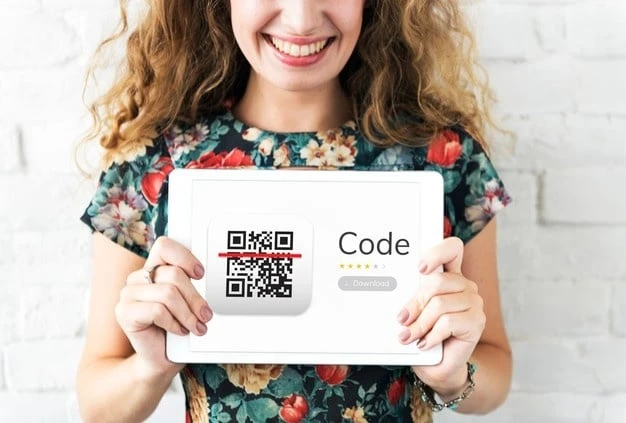

QR codes, or Quick Response Codes, are a type of 2D Matrix barcode that can be read using a barcode scanner or a mobile phone camera and carries far more information than a standard barcode.
QR code payment is a common method of payment in the post-pandemic generation. It is used to scan and pay in different shops, stalls, malls, etc.
QR codes can be used for three different payment methods.
Static - The merchant has a single code for all payments and customers. For example, customers can scan a code at their table that instantly displays a menu and tells the restaurant whose table they are sitting at. They can order from their phone and make payments too. This is very handy for restaurants and similar establishments. Charity donations are one more option for static QR codes.
Dynamic – The business has more control with the dynamic QR code because it allows them to input the customer's amount. After the merchant has entered the amount, the customer can scan the amount and accept it.
Temporary – This is a one-time code that will be erased after it has been used. A temporary QR code is commonly located at the bottom of a receipt generated at the cash register. Once the customer has finished their shopping and a printed receipt, the code is generated. The customer can scan this receipt on their phone and agree to the amount. The code is no longer valid after the payment has been completed.
The scan and pay are standard in many places nowadays. Several businesses use QR code payments to receive payments in a hassle-free way.
Restaurants have quickly understood the advantage of this payment method, realising how much safer they can be without compromising their customer experience.
Most companies in China and many other countries now accept QR payments, some of which are seen in vending machines and are considered a usual way to pay for your food. PayPal has been a pioneer in accepting QR payments, and Apple Pay is rumoured to have included code in their most recent updates to enable QR transactions. Many businesses rely on QR payments to enable safer safeguards to be put in place during the Covid-19 outbreak, making their customers feel comfortable and drastically limiting the chances of cross-contamination through card machines or cash exchange.
How to make payments in this way?
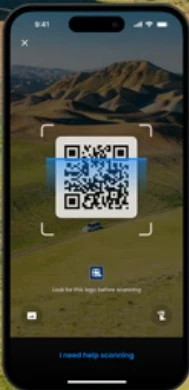
The process is straightforward once you've entered your information into a business app or a platform like Fave India. When you scan the QR code and confirm the payment after linking a payment method to the Fave India app, a standard transaction occurs in the background, debiting your selected payment method and crediting the merchant's account. All data is encrypted, and if the customer does not have sufficient funds or there is an issue with their account, the transaction will fail. Hence there is no need for concern about transactions being rejected a few days after the process has finished.
QR code payments are secure, simple, and quick and should be definitely used as a frequent payment method.








Sign in to leave a comment.