
In the realm of holistic healing modalities, Reiki treatment stands out as a gentle yet powerful technique that holds immense potential in aiding stroke recovery. Stroke, a debilitating condition affecting millions worldwide, requires comprehensive rehabilitation approaches.
Understanding the nuances of stroke and the role of Reiki in this context can offer new avenues for recovery and well-being. Moreover, enrolling in a reputable Reiki master class can deepen one\'s understanding of this ancient healing art, equipping practitioners with advanced techniques to better support stroke survivors on their journey to healing.
Understanding Stroke
A stroke, often referred to as a "brain attack," occurs when blood flow to a part of the brain is disrupted, leading to cell damage and potentially permanent neurological deficits. The effects of a stroke can vary widely, ranging from mild impairment to severe disability or even death. Timely intervention and rehabilitation are crucial in minimizing long-term consequences.
The Role of Reiki in Stroke Recovery
Reiki treatment is a form of energy healing that originated in Japan and is based on the principle of channeling universal life force energy to promote healing and balance. While Reiki is not a substitute for medical treatment, its gentle yet profound effects can complement conventional therapies in stroke rehabilitation.
Preparing for Reiki Treatment
Before initiating Reiki treatment for stroke survivors, it\'s essential to establish a conducive environment that promotes relaxation and receptivity. This may involve creating a tranquil space free from distractions and ensuring the comfort of the individual receiving treatment. Additionally, discussing any concerns or expectations with a certified Reiki master can help tailor the session to specific needs.
Techniques Used in Reiki Treatment for Stroke
During a Reiki session for stroke recovery, the practitioner employs various techniques to channel healing energy to the affected areas. These may include hand placements over specific points on the body, visualization exercises, and the use of sacred symbols to enhance the flow of energy. Each Reiki technique is designed to stimulate the body\'s innate healing mechanisms and promote overall well-being.
Conducting a Reiki Session
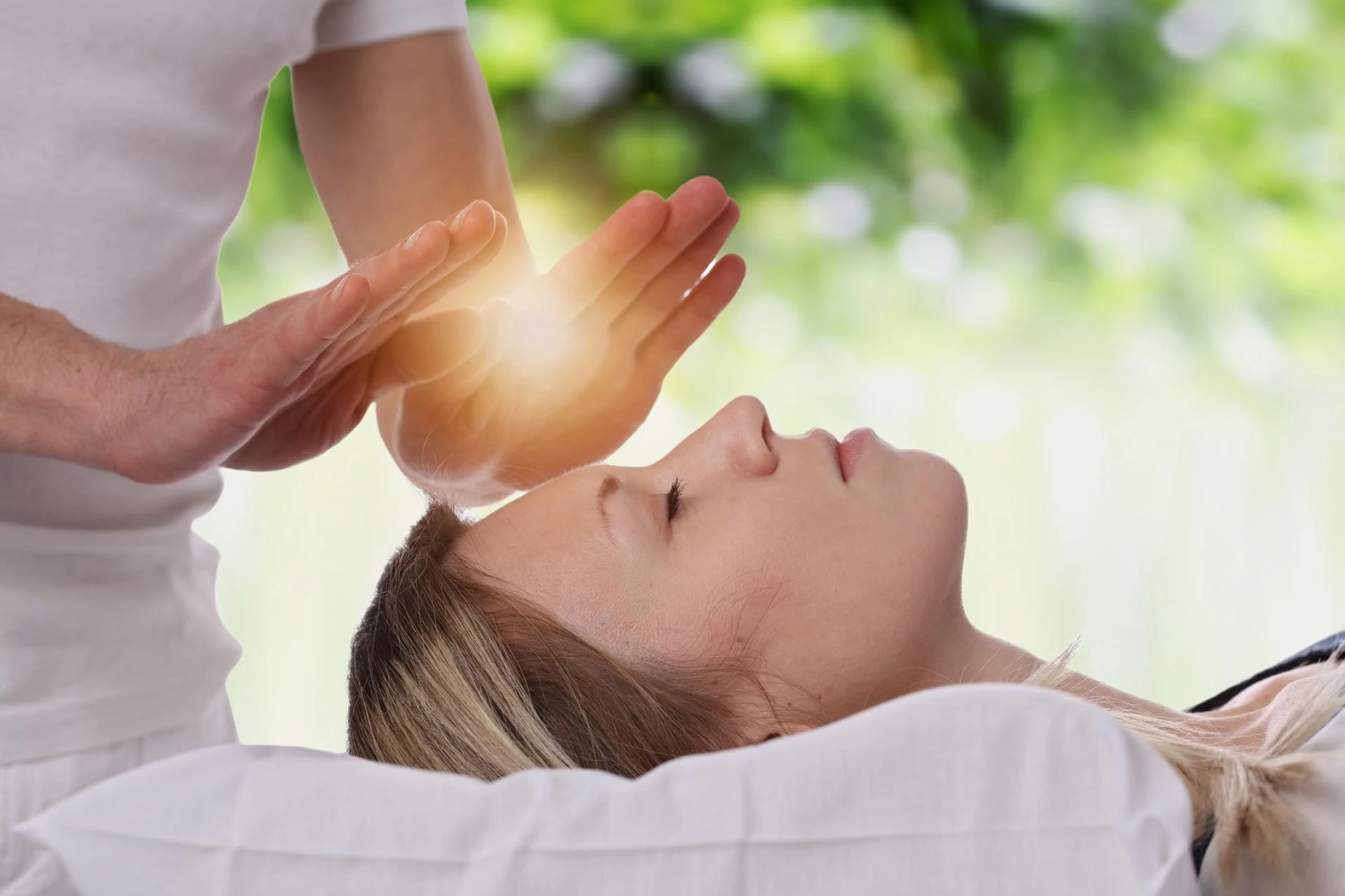
A typical Reiki session for stroke rehabilitation begins with the recipient lying comfortably on a treatment table, fully clothed. The practitioner then places their hands lightly on or slightly above the body, allowing the energy to flow intuitively to where it is needed most. Throughout the session, the recipient may experience sensations of warmth, tingling, or deep relaxation as the healing energy permeates their being.
Additionally, practitioners who have undergone a comprehensive Reiki master class are adept at employing advanced techniques to tailor the session according to the specific needs and conditions of the stroke survivor, enhancing the overall effectiveness of the treatment.
Potential Benefits of Reiki for Stroke Survivors
The benefits of Reiki treatment for stroke survivors are multifaceted and may include physical, emotional, and spiritual healing. Physically, Reiki can help improve circulation, reduce inflammation, and alleviate pain and muscle tension. Emotionally, it offers a sense of peace, comfort, and resilience in coping with the challenges of stroke recovery. Spiritually, Reiki fosters a deeper connection to one\'s inner self and the universal life force energy that sustains all living beings.
Integrating Reiki with Conventional Stroke Rehabilitation
Integrating Reiki with conventional stroke rehabilitation programs can enhance the overall effectiveness of treatment by addressing the holistic needs of the individual. By incorporating Reiki sessions into the care plan, stroke survivors may experience accelerated recovery, improved functional outcomes, and a greater sense of empowerment and well-being. Collaboration between Reiki masters and healthcare professionals can ensure a cohesive approach that optimizes patient-centered care.
Conclusion
In conclusion, Reiki treatment offers a gentle yet potent healing modality that holds immense promise in supporting stroke recovery. By harnessing the power of universal life force energy, Reiki facilitates healing on physical, emotional, and spiritual levels, complementing conventional therapies in a holistic approach to rehabilitation.
As awareness of the benefits of Reiki continues to grow, it has the potential to become an integral component of stroke care, empowering individuals on their journey toward recovery and wellness. Moreover, practitioners who have undergone a comprehensive Reiki master class are equipped with advanced knowledge and techniques to optimize the effectiveness of Reiki treatment for stroke survivors, further enhancing their healing journey.
FAQs
1. Can Reiki treatment be performed remotely for stroke survivors?
Yes, Reiki can be effectively administered remotely, allowing stroke survivors to receive healing energy from a distance.
2. How many Reiki sessions are recommended for stroke recovery?
The number of Reiki sessions needed may vary depending on the individual\'s condition and response to treatment. A Reiki master can guide the optimal frequency and duration of sessions.
3. Is Reiki safe for stroke survivors with other health conditions?
Reiki is generally considered safe and non-invasive, making it suitable for individuals with various health conditions, including stroke. However, it\'s essential to consult with a healthcare provider before incorporating Reiki into a comprehensive care plan.
4. Can Reiki help prevent future strokes?
While Reiki treatment is not a preventive measure for stroke recurrence, it can promote overall well-being and resilience, which may contribute to a healthier lifestyle and reduce risk factors for future strokes.











Sign in to leave a comment.