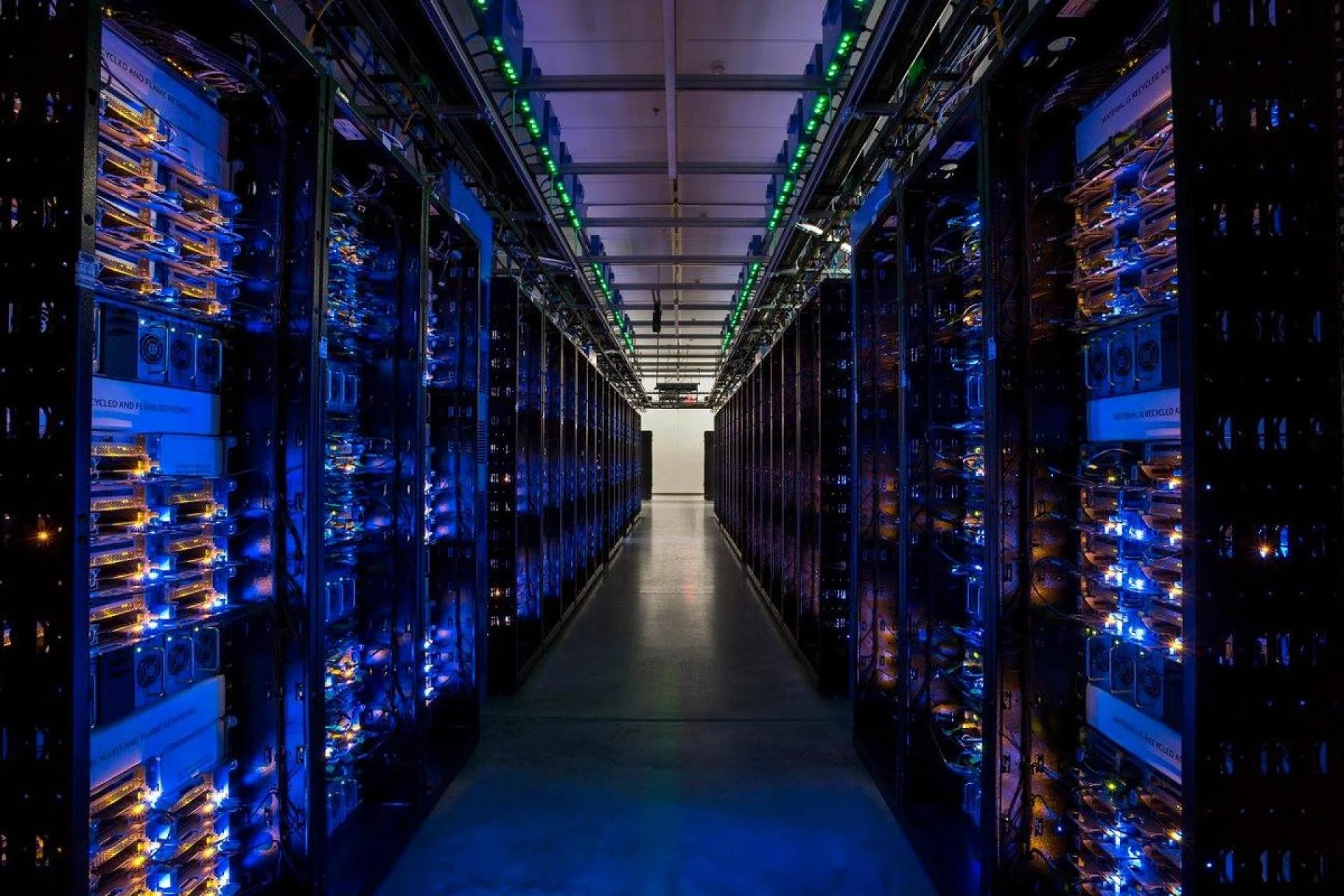

Have you ever felt like your server room was bursting at the seams? As your company grows and requires more computing power and storage, it can seem like your rack space expands exponentially while your actual physical space remains the same. Server sprawl becomes a huge problem, making it difficult to manage your infrastructure, cool everything effectively, and plan for future expansion.
This is where tower servers can help maximize your performance within a minimal footprint. Towers allow you to consolidate multiple devices into dense, space-saving boxes that are also easier to deploy, manage, and scale than traditional rack-mounted servers.
Let’s dive deep and explore how tower servers can streamline your IT infrastructure.
Consolidate Devices
One of the biggest benefits of tower servers is their ability to consolidate multiple servers, storage, and other devices into a single chassis. Where you may have previously needed several 1U or 2U rack servers taking up valuable rack space, you can now collapse those functions into a compact tower form factor.
This means you can retire older servers and avoid purchasing new rack units, saving money and space in one fell swoop. Depending on the model, towers can provide scale and processing power equivalent to 5–10 traditional servers in a fifth of the physical footprint.
Simplified Deployment
Deploying tower servers is significantly simpler than rack-mounted servers. You won't need specialized tools, rails, or extensive rack knowledge.
Towers are designed for easy installation; simply place the tower on a sturdy surface near your network switches and connections.No rack is needed, shortening deployment timelines.Management is also simplified since you don't have to squeeze your hands into tight rack spaces.Common tasks like upgrades, expansions, and maintenance are faster and less stressful with tower form factors.
Cooling Cost Savings
The compact tower design allows components to be better ventilated and spaced out compared to dense rack servers. This means tower servers operate at lower temperatures, which translates to major energy savings.
Flexible Placement
Since tower servers don't require dedicated rack space, you have ultimate flexibility in finding the best placement. You can situate towers on a desk, under a desk, or even in a remote office location with ample ventilation.
This makes towers an excellent option for edge deployments, small branch offices, and testing and development environments with space constraints. You're no longer limited by rack real estate in your server room. With the right tower model, deployment is possible virtually anywhere.
Noise Reduction
Tower designs keep internal components spread out for better internal air flow management and lower fan speeds.
This results in significantly quieter operation compared to dense rack servers.Some tower models operate at sound levels as low as 25 dB, even under full load.The lack of noisy server fans at high RPM is appreciated whether your servers are in a machine room or office environment. Low noise also means less distraction and improved comfort for IT staff.
Increased Portability
As the name suggests, tower servers are highly portable and can be moved around with ease. This allows you to relocate physical servers in minutes compared to the hours it might take to disassemble and transport rack gear.
Portability gives you the flexibility to support remote offices or quickly reconfigure server locations if your office layout changes. It also simplifies disaster recovery planning since an entire server's worth of processing and storage can be transported off-site in the back of a vehicle.
Modular Serviceability
Tower server chassis are engineered for easy component access, even when fully populated.
Whether you need to swap out a storage drive, add more memory, or replace a component, tower designs ensure components are externally accessible without other parts in the way.Advanced tower models also allow you to hot-swap parts without powering down the entire system.This significantly reduces downtime compared to rack servers, where components may be buried in the back behind other machines.
Lower Upfront Cost
While performance is comparable to that of rack servers, tower models often carry lower upfront costs. This is primarily due to the lack of need for advanced rack rails, cabling, and related rack accessories. Prices are also lower since towers don't require the heavy-duty components and cooling systems designed for high-density racks. Towers deliver excellent value for smaller deployments or non-data center environments.
Remote Management
Nearly all modern tower servers include full remote management capabilities out of the box using standard protocols like IPMI. This allows you to monitor health, configure settings, update firmware, and even power cycle the server without physical access.
Remote management simplifies operations, whether servers are located next door or across the country. Built-in KVM-over-IP functionality also permits remote media and console access as if you were standing in front of the physical server.
Expandable Storage
Towers provide robust internal and external storage expansion options. Drives can be inserted or upgraded easily through hot-swap bays inside the chassis. With the right model, you may get 8–16 bays, which is similar to the capacity of a dedicated storage array. eSATA, USB and SAS/SATA ports also allow for direct attachment of DAS shelves or JBODs with 50+ drives of capacity. This eliminates the need for a separate SAN in small-to-medium deployments.
Reliability
Towers are engineered with reliability in mind through features like redundant power supplies, hot-swap components, and industrial-grade components. Manufacturers also subject tower models to rigorous validation testing before release.
Proper tower design and ventilation ensure components operate within specifications to deliver years of stable, high-performance operation. Plus, tower servers take up less rack space, so there is less chance of overheating entire rows of equipment should one server fail.
Long Lifespan
With modular designs that facilitate upgrades and expansion, towers can remain in operation for 5-7 years, which is longer than the average rack server lifespan. As new processors and storage technologies emerge, you simply swap out boards or add new drives rather than retiring the entire system.
Final Words
In conclusion, tower servers provide an excellent way to maximize your infrastructure's performance within an extremely small physical footprint. From consolidation and simplified deployments to flexible placement options, portability, and low-noise operation, tower designs address many of the challenges associated with traditional rack servers. If you need processing power without the hassle of rack expansion, consider tower servers for your next data center refresh or office deployment.


























Sign in to leave a comment.