
Whether you’re coordinating civil works, overseeing utility maintenance, or preparing a major infrastructure upgrade, one aspect that can’t be ignored is traffic management. Roadwork zones, lane closures, and detours always come with risks — for workers, road users, and the public. That’s why a structured, well-documented traffic management approach is essential for protecting safety and ensuring regulatory compliance.
Yet, for many project managers, understanding the costs involved, risk assessment processes, and the importance of traffic guidance schemes isn’t always straightforward. In this blog, we break everything down clearly so you can make confident, informed decisions when planning your next project.
Why Every Project Needs a Traffic Management Framework
Any project that impacts traffic conditions must follow strict safety requirements and government regulations. Traffic management planning helps:
- Prevent accidents and hazards
- Maintain safe vehicle and pedestrian movement
- Reduce delays and community disruption
- Ensure compliance with local authorities
- Protect workers in high-risk environments
Without proper planning, even small-scale projects can create serious safety threats, making traffic management a non-negotiable element of responsible project delivery.
Understanding Your Traffic Management Plan Cost
Budgeting for traffic planning begins with understanding the Traffic Management Plan Cost. Many people assume the cost is a fixed figure, but in reality, it varies based on several project-specific factors.
Your total cost may depend on:
- Road classification (local street vs major arterial)
- Required traffic control signage and equipment
- Length of the project duration
- Whether night works or weekend works apply
- Pedestrian and cyclist management needs
- Local authority submission requirements
Because every project is unique, the cost of developing a traffic management plan is best assessed through a tailored consultation rather than guesswork. What matters most is working with a provider who delivers plans that are compliant, practical, and field-ready.
Risk Identification Starts With a Traffic Management Plan Risk Assessment
Safety doesn’t begin on site — it begins on paper. One of the most essential components of any TMP is the Traffic Management Plan Risk Assessment, which identifies hazards related to both project activities and existing traffic conditions.
A thorough risk assessment examines elements such as:
- Worker exposure to moving vehicles
- Site access and exit points
- Visibility around bends, hills, and busy zones
- The potential conflict between plant machinery and traffic
- Weather-related hazards like wet roads or low lighting
- Exposure risks to pedestrians, cyclists, and vulnerable road users
Once risks are identified, planners implement mitigation strategies such as barriers, reduced speed limits, temporary lane closures, enhanced signage, or redirecting pedestrian flow. This step ensures that safety measures are proactive rather than reactive.
What Goes Into Calculating Traffic Control Plan Cost?
A traffic management plan is the strategy — but a traffic control plan (TCP) is the execution blueprint. Understanding the Traffic Control Plan Cost helps prevent budget surprises once your project begins.
This cost typically includes:
- Hiring licensed and experienced traffic controllers
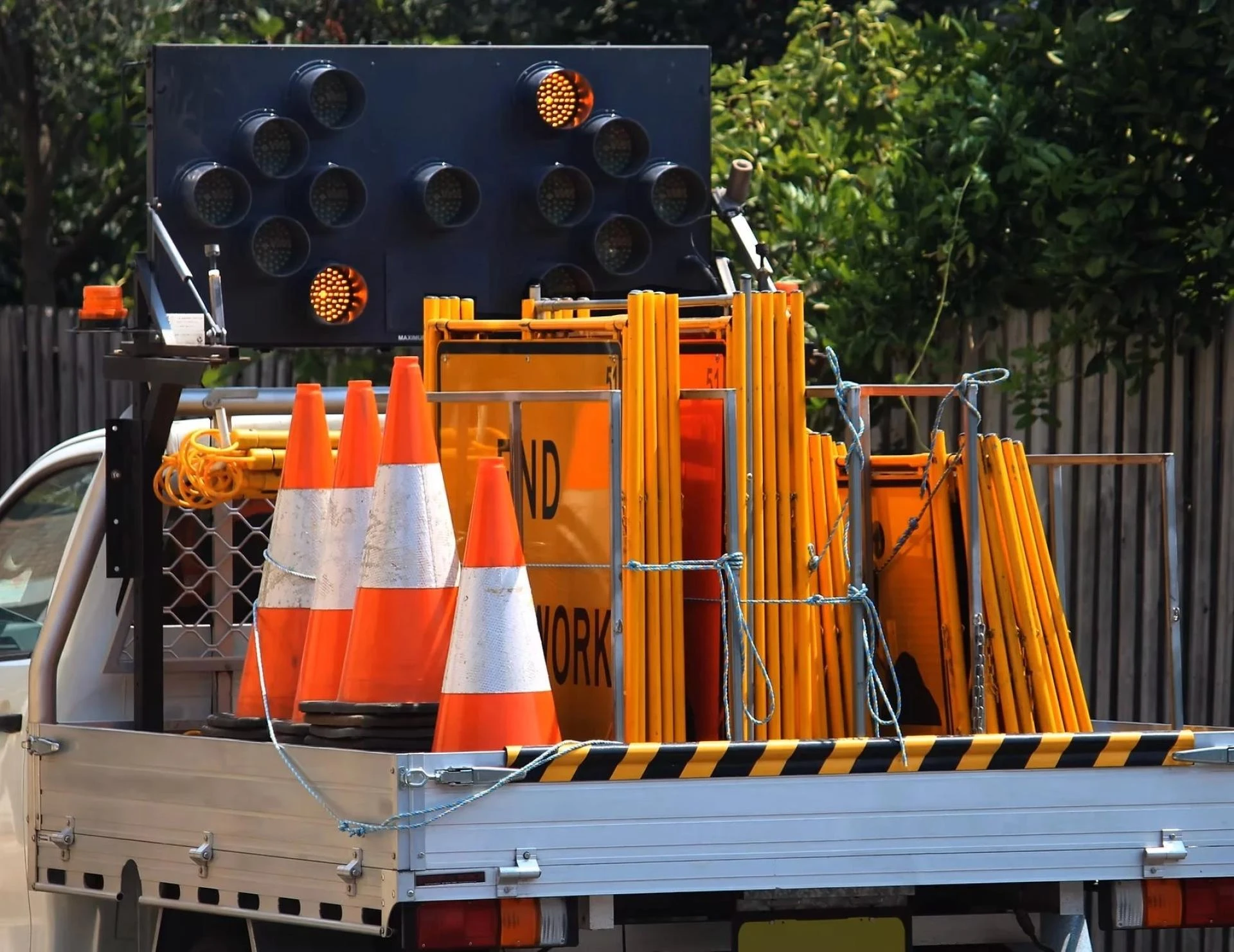
- Setting up signage, bollards, cones, and barriers
- Electronic message boards or portable traffic lights
- Emergency planning measures
- Site inspections and plan adjustments
Well-designed TCPs create smooth transitions for drivers, pedestrians, and cyclists while keeping workers safe. By planning this cost ahead of time, your project timeline becomes more predictable and compliant with local regulations.
TGS Traffic Management: A Reliable Approach to Safer Roads
Traffic guidance schemes (TGS) are crucial for any worksite that impacts road conditions. The expertise behind TGS Traffic Management ensures these schemes are tailored to real-world environments, making them both compliant and efficient.
A strong TGS provides:
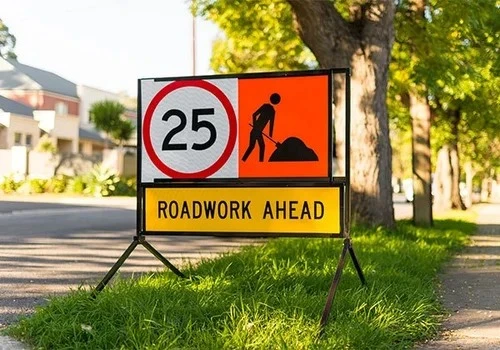
- A visual layout of signs, cones, and devices
- Clear instructions on traffic diversions and detours
- Pedestrian management routes
- Placement of traffic controllers
- On-site risk controls for every stage of the project
These schemes take your TMP and TCP and translate them into practical, field-ready diagrams that help workers implement traffic control safely and effectively. They also help local authorities assess compliance quickly, reducing approval delays.
The Value of Using OnPoint TGS Plans
Preparation time is often limited, especially when dealing with emergency works or fast-tracked infrastructure projects. That’s where OnPoint TGS Plans come into play.
OnPoint offers high-quality, compliant TGS plans that are:
- Professionally drafted
- Fully compliant with Australian standards
- Tailored to project size, risk level, and road conditions
- Easy for on-site teams to understand and implement
With OnPoint TGS plans, you avoid the hassle of building diagrams from scratch and benefit from expert guidance built on real-world experience. Whether you need a simple shoulder closure or a multi-phase detour, the clarity of these plans helps streamline approvals and minimise confusion on site.
Why Choosing the Right Traffic Management Provider Matters
Traffic disruptions can lead to community frustration, financial penalties, and safety incidents. When you work with an experienced traffic management partner, you gain:
- Confidence in compliance
- Faster plan approvals
- Reduced on-site accidents
- Increased public safety
- Improved workflow efficiency
- Clear communication between teams and authorities
Cutting corners in traffic management may save a little upfront but often leads to costly complications later. A trusted provider ensures that every plan — from risk assessment to field diagrams — stands up to real-world conditions.
Conclusion
Traffic management is more than a requirement — it’s a foundational element of safe, successful project delivery. Understanding your costs, planning for risks, and implementing reliable control measures all contribute to a smoother, safer worksite. When you combine these efforts with expertly developed planning tools such as OnPoint’s guidance schemes, your project is positioned for efficiency and compliance from day one.
For dependable, professional support with traffic planning and guidance schemes, explore what OnPoint TGS can offer for your next project.




























Sign in to leave a comment.