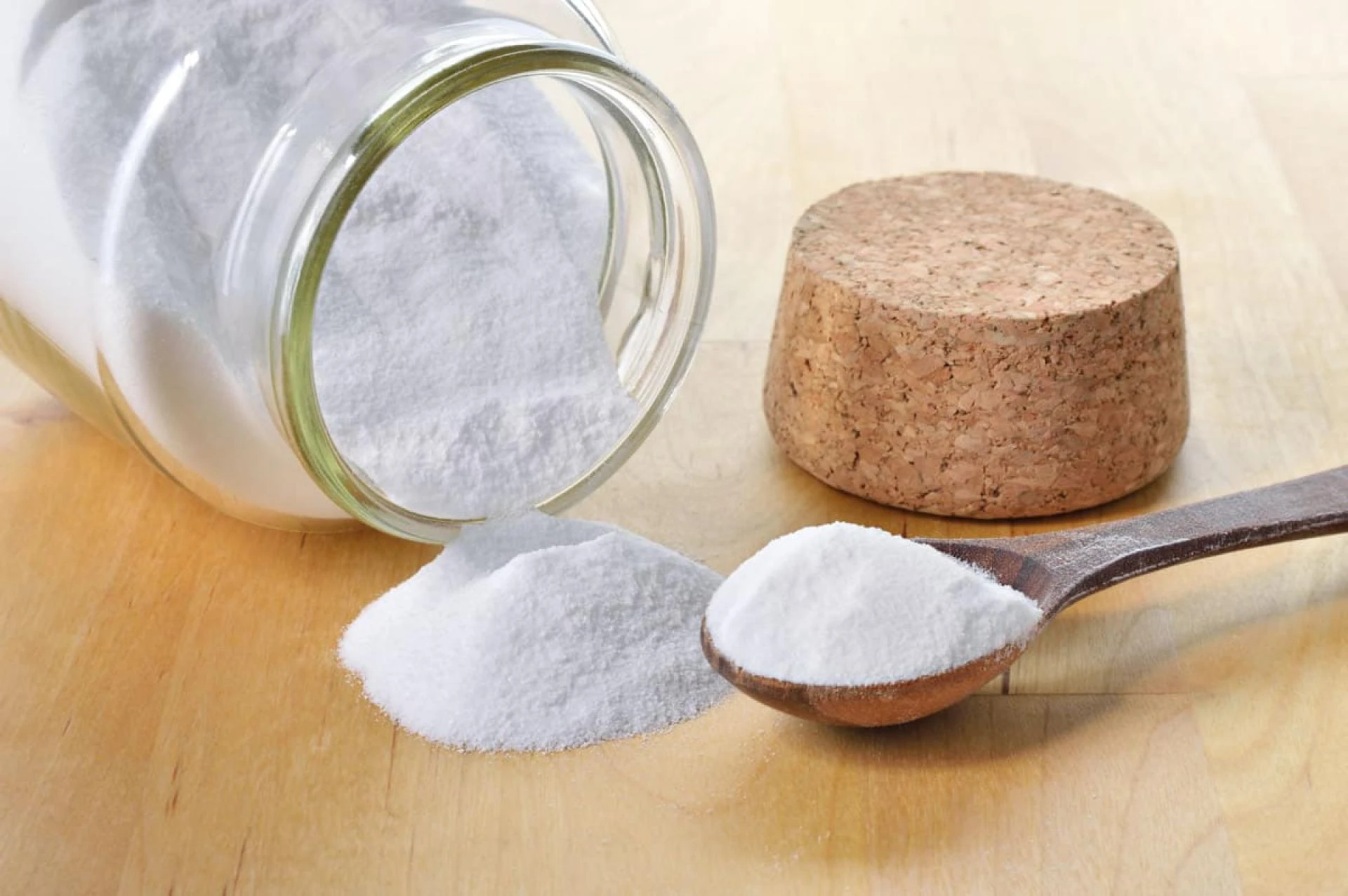

One of Earth's most prevalent and vital substances is salt, often known as sodium chloride (NaCl). While raw salt extracted from mines and sea sources is functional in some industrial contexts, higher purity levels are often required for specialized applications in industry and food processing. Enter-treated salt—a purified form of salt that undergoes various physical and chemical treatments to remove impurities, enhance performance, and meet stringent standards.
This comprehensive guide'll explore how treated salt is purified, the differences between industrial and food-grade applications, and why refining processes are crucial for safety, quality, and efficiency.
What Is Treated Salt?
Treated salt is essentially salt that has undergone additional processing to improve its chemical composition, remove unwanted minerals or contaminants, and sometimes enhance it with additives depending on its end use. It can be derived from:
- Rock salt (halite) from underground mines
- Solar salt harvested by evaporating seawater or brine
- Purified brine is evaporated in a controlled environment to produce vacuum salt
Treated salt may be refined, iodized, dried, anti-caked, or fortified, depending on whether it's intended for food, pharmaceuticals, agriculture, or industrial manufacturing.
Why Purification Is Necessary
Raw salt often contains impurities like:
- Calcium and magnesium compounds
- Sulfates
- Potassium
- Iron oxides (causing discoloration)
- Moisture and organic residues
- Heavy metals or microbial contaminants (in food-grade salt)
Purification is essential because:
- In food applications, impurities can affect flavor, color, safety, and shelf life.
- In industrial processes, contaminants can corrode equipment, cause product defects, or reduce reaction efficiency.
- In water softening or chemical processing, purity directly impacts performance.
Step-by-Step: How Treated Salt Is Purified
1. Raw Salt Harvesting
Raw salt extraction is the first step in the purifying process. This may come from:
- Rock Salt Mining – Large deposits are mechanically broken up and transported.
- Brine Evaporation – Seawater or saline spring water is evaporated in large solar pans.
- Solution Mining – Water is injected into underground salt beds, forming brine that is then pumped to the surface.
The chosen source impacts the complexity of purification required. Solar salt, for example, may contain more organic matter than mined salt.
2. Washing and Sieving
Before any chemical treatment, raw salt is physically washed to eliminate large particles, debris, and soluble impurities. This stage involves:
- High-pressure water spray systems
- Centrifugal separation
- Screening to ensure consistent particle size
Water used in this stage must also meet potable water standards for food-grade salt to avoid reintroducing contaminants.
3. Dissolving and Recrystallization (for High Purity Salt)
To produce very high-purity salt—often called vacuum salt—the salt is dissolved in hot water, forming a saturated brine. This brine then undergoes:
- Chemical Precipitation: Additives like soda ash (sodium carbonate) or lime (calcium hydroxide) are used to precipitate calcium, magnesium, and sulfates.
- Filtration: Filtration is used to get rid of precipitates and insoluble substances from the brine.
- Vacuum Evaporation: Under low pressure and controlled temperature, water evaporates from the brine, forming pure salt crystals.
This method produces salt that is 99.9% pure, ideal for pharmaceutical, chemical, and high-end food applications.
4. Centrifugation and Drying
The purified crystals are separated from residual brine using centrifuges. However, the salt is then dried using:
- Fluidized bed dryers
- Rotary dryers
- Flash dryers (for rapid moisture removal)
Drying is critical for preventing clumping, microbial growth, and spoilage, especially in food-grade treated salt.
5. Additive Treatment (Optional Based on Use Case)
Once the salt is purified and dried, it may undergo additional treatments:
For Food-Grade Salt:
- Iodization: To avoid iodine shortage illnesses, potassium iodate or potassium iodide is used.
- Anti-Caking Agents: Compounds like sodium ferrocyanide or calcium silicate are used to keep salt free-flowing.
- Fluoride Addition: In some countries, fluoride is added for dental health purposes.
For Industrial Salt:
- Corrosion Inhibitors: When used for de-icing or water treatment.
- Specific Grain Size Treatment: Depending on whether the salt will be used in textiles, oil drilling, or chemical processing.
6. Packaging in Controlled Environments
For both industrial and food-grade treated salt, final packaging is done in clean, controlled environments to avoid contamination. Packaging types may include:
- Poly-lined bags
- Bulk silos
- Food-grade plastic containers
- Vacuum-sealed packs for pharmaceutical salt
Labeling must comply with regulatory standards (e.g., FDA, FSSAI, EU regulations) and clearly indicate additives, purity levels, and source.
Treated Salt: Industrial vs. Food Applications
Food Applications:
- Table salt (refined and iodized)
- Curing salt for meat preservation
- Pickling salt (non-iodized, pure)
- Salt for baking and food processing
- Fortified salt (with micronutrients)
Key Characteristics:
- Very low impurity levels
- Safe for human consumption
- Compliant with food-grade certifications (e.g., ISO 22000, HACCP)
Industrial Applications:
- Chlor-alkali industry (producing chlorine and caustic soda)
- Textile dyeing and processing
- Oil drilling and extraction fluids
- Resin regeneration in water softeners
- De-icing and road treatment
Key Characteristics:
- High but controlled purity
- Cost-effective scalability
- Customized granule size and additives
Final Thoughts
Treated salt plays a critical role in both the industrial and food sectors, but its effectiveness, safety, and quality hinge entirely on rigorous purification processes. Whether it's enhancing the flavor of your meals or ensuring efficiency in chemical manufacturing, the journey of salt from raw mineral to refined crystal is a meticulous one.
Modern purification techniques—like vacuum evaporation, chemical brine treatment, and additive enhancement—ensure that treated salt meets the stringent demands of diverse industries. As global regulations tighten and consumer expectations rise, the importance of high-purity treated salt will only grow, reinforcing its status as an essential refined mineral in the modern world.













Sign in to leave a comment.