

It often starts as a simple day.
A morning walk by the water. A long drive under an open sky. A few quiet hours in the garden. Maybe a fishing trip where time slips by unnoticed. The sun feels warm, familiar—even comforting. And because it doesn’t burn right away, it’s easy to underestimate its strength.
But skin damage rarely announces itself.
It builds gradually—layer by layer, season after season. Long before wrinkles deepen or dark spots appear, ultraviolet radiation is already affecting your skin beneath the surface.
This is where UV protection clothing quietly makes a difference.
The Invisible Impact of Sun Exposure
Sunlight carries two primary types of ultraviolet radiation: UVA and UVB rays.
- UVB rays affect the outer layers of the skin and are the main cause of sunburn
- UVA rays penetrate deeper, accelerating premature aging and collagen breakdown
Together, they contribute to:
- Fine lines and wrinkles
- Uneven skin tone and pigmentation
- Loss of elasticity
- Increased risk of long-term skin conditions
While sunscreen is an important tool, it has practical limitations. It fades with sweat, water, and time. It’s often applied unevenly. And reapplication is frequently overlooked.
Clothing, by contrast, offers consistent, passive protection.
What Sets UV Protection Clothing Apart
Not all fabrics protect your skin equally. Standard clothing—especially lightweight cotton—can allow a significant amount of UV radiation to pass through, particularly when stretched or damp.
UV protection clothing is engineered differently.
These garments use:
- Tightly woven fabrics to block light penetration
- Specialized fibers or treatments that enhance UV resistance
Protection is measured using UPF (Ultraviolet Protection Factor).
A garment rated UPF 50 allows only 1/50th (2%) of UV radiation to reach your skin. This creates a reliable barrier without requiring any reapplication.
Continuous Protection, Zero Maintenance
One of the most valuable advantages of UV protection shirts is their consistency.
Once worn, they provide:
- All-day protection without reapplication
- Coverage for commonly missed areas (arms, shoulders, neck, upper back)
- Reliability during sweating, swimming, or extended outdoor exposure
Modern designs also prioritize comfort. Today’s UV shirts are:
- Lightweight
- Breathable
- Moisture-wicking
They regulate temperature while protecting your skin, making them practical for prolonged wear.
Preventing Damage Before It Becomes Visible
Skin damage is cumulative. Every unprotected exposure contributes to long-term effects.
Over time, repeated UV exposure leads to:
- Collagen degradation
- Uneven texture
- Hyperpigmentation
- Premature aging
UV protection clothing helps interrupt this process at the source.
By reducing daily UV exposure, these garments:
- Preserve skin structure
- Maintain firmness and elasticity
- Delay visible signs of aging
For individuals with frequent outdoor exposure, this shifts protection from reactive to preventive care.
A Practical Solution for Sensitive Skin
Sunscreen doesn’t work equally well for everyone.
Some individuals experience:
- Skin irritation
- Breakouts or clogged pores
- Allergic reactions
- Discomfort from greasy or heavy formulations
UV protection clothing offers a dependable alternative—or complement—to topical protection.
It is especially beneficial for:
- Sensitive skin types
- Children
- Individuals recovering from dermatological treatments
It removes the variability of application and simplifies daily routines.
Designed for Real-World Use
UV protection clothing isn’t limited to vacations or extreme outdoor activities. Its value lies in everyday integration.
It’s useful for:
- Daily walks or commutes
- Driving (UV exposure through windows)
- Gardening and outdoor chores
- Recreational activities like hiking or fishing
The most effective form of protection is the one that becomes habitual. Clothing naturally integrates into your routine, making it one of the most reliable defenses against sun damage.
Why Long-Sleeve UV Shirts Offer Maximum Protection
Coverage plays a critical role in effectiveness.
Long-sleeve UV protection shirts:
- Shield high-exposure zones continuously
- Reduce reliance on sunscreen for large surface areas
- Provide uniform protection without gaps
Despite the added coverage, modern fabrics ensure breathability and comfort, preventing overheating.
Over time, consistent use can lead to visibly healthier skin:
- More even tone
- Smoother texture
- Reduced signs of sun stress
A Preventive Approach to Skin Health
As awareness around sun exposure grows, there’s a noticeable shift toward preventive care.
UV protection clothing reflects this shift.
It’s not about avoiding the sun—it’s about managing exposure intelligently. By incorporating protective clothing into your routine, you reduce long-term risk without sacrificing comfort or lifestyle.
Final Thoughts
The sun is an essential part of life—it brings warmth, energy, and enjoyment. But it also requires thoughtful exposure.
UV protection clothing provides a low-effort, high-impact solution. It works continuously, requires no reapplication, and integrates seamlessly into everyday life.
If you’re looking to protect your skin without complicating your routine, UV protection shirts are a practical, long-term investment.
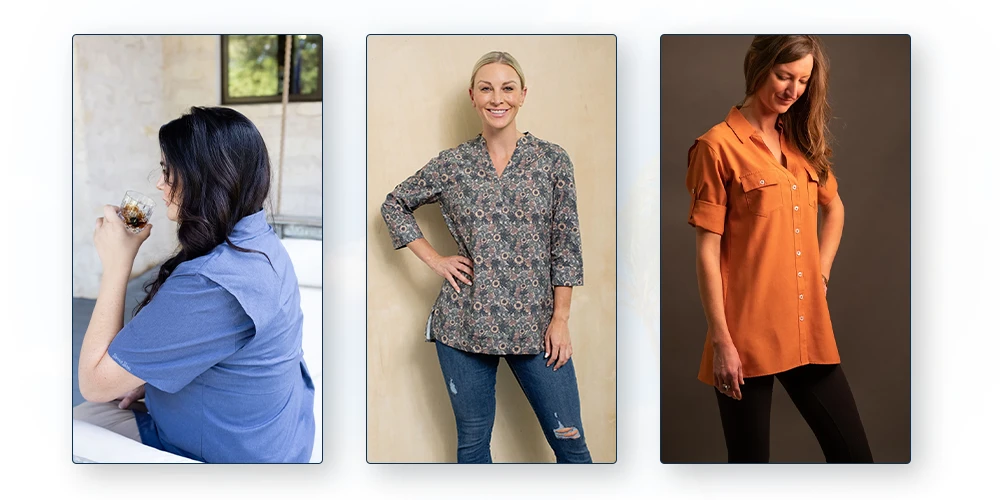
Explore long-sleeve UV protection shirts designed for comfort, durability, and daily wear—and make sun protection a natural part of how you live.
Your skin will benefit from it—not just today, but for years to come.






















Sign in to leave a comment.