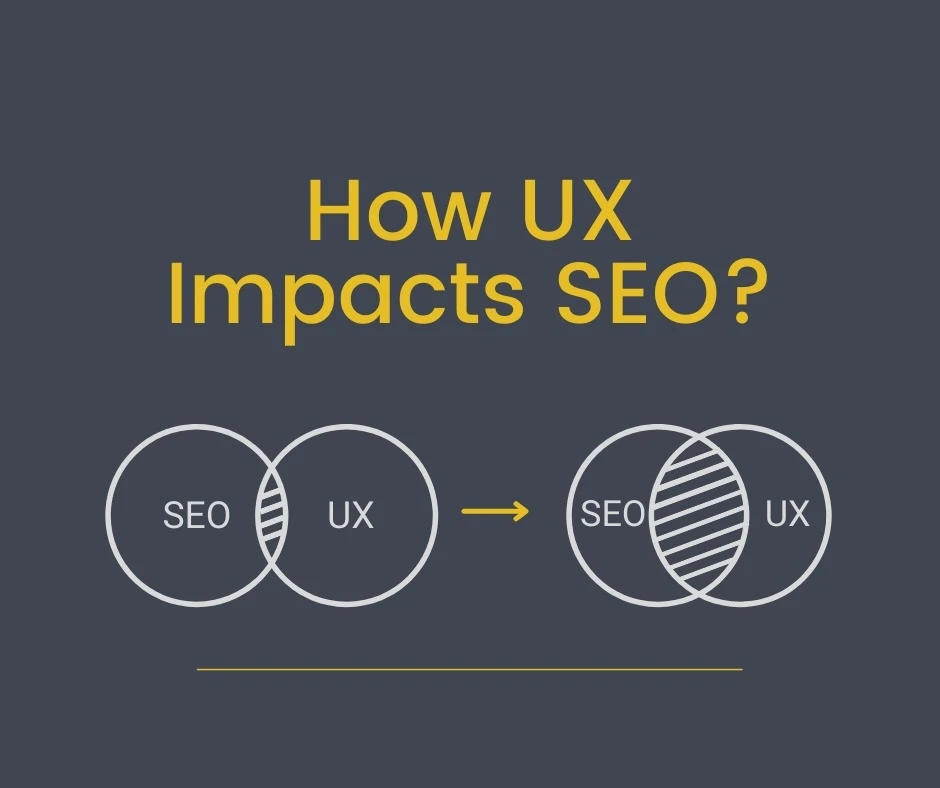

In today’s digital landscape, User Experience (UX) and Search Engine Optimization (SEO) are no longer separate strategies. Search engines like Google have evolved to prioritize websites that deliver real value to users. A well-designed UX doesn’t just improve customer satisfaction—it directly impacts your SEO performance.
Whether you are a business owner or working with an experienced digital marketing company, understanding the relationship between UX and SEO can help you achieve better rankings, higher traffic, and improved conversions.
What Is UX and Why Does It Matter for SEO?
User Experience (UX) refers to how users interact with your website. This includes page speed, navigation, mobile responsiveness, readability, website design layout, and overall usability.
Search engines aim to provide users with the best possible results. If visitors land on your website and have a poor experience—slow loading times, confusing navigation, or irrelevant content—they leave quickly. This signals to search engines that your website may not be providing value.
UX Signals That Directly Impact SEO
1. Page Load Speed
Website speed is a confirmed Google ranking factor. Slow-loading pages increase bounce rates and reduce dwell time, negatively affecting SEO.
A professional SEO Company in Jaipur often focuses on optimizing images, reducing unnecessary scripts, and improving server performance to enhance page speed.
2. Mobile-Friendliness
With mobile-first indexing, Google primarily uses the mobile version of your website for ranking. If your site isn’t mobile-friendly, your SEO performance will suffer.
Good UX ensures:
- Responsive web design
- Easy navigation on smaller screens
- Readable fonts and clickable buttons
3. Bounce Rate and Dwell Time
When users quickly leave your website without engaging, it increases bounce rate. Poor UX—such as cluttered layouts or irrelevant content—is often the reason.
A strong UX design keeps users engaged, encouraging them to explore more pages and spend more time on your site, positively influencing SEO.
4. Website Navigation and Structure
Clear navigation improves both UX and SEO. A well-structured site helps:
- Users find information easily
- Search engines crawl and index pages efficiently
Logical menus, internal linking, and clear calls-to-action are essential components that an experienced SEO Company focuses on.
Content Readability and UX
Content plays a vital role in UX. Even high-quality content can fail if it’s hard to read or poorly formatted.
To improve readability:
- Use short paragraphs
- Add headings and subheadings
- Use bullet points where necessary
- Maintain proper spacing and font size
Search engines favor content that users can easily consume and understand.
Core Web Vitals: Where UX Meets SEO
Google’s Core Web Vitals are performance metrics that measure real-world user experience. They include:
- Largest Contentful Paint (LCP): Loading performance
- First Input Delay (FID): Interactivity
- Cumulative Layout Shift (CLS): Visual stability
Optimizing these metrics enhances UX and boosts search rankings.
UX and Conversion Optimization
Good UX doesn’t just help SEO—it improves conversions. When users enjoy a smooth experience, they are more likely to:
- Fill out contact forms
- Make purchases
- Subscribe to newsletters
Higher engagement and conversion rates indirectly strengthen SEO signals, making UX a long-term investment.
Why Businesses Need UX-Focused SEO Strategies
Modern SEO is no longer just about keywords and backlinks. It’s about delivering value through experience. Businesses that partner with a reliable seo service in Jaipur gain an advantage by combining technical SEO, content optimization, and UX design.
By aligning UX with SEO goals, businesses can:
- Improve rankings
- Increase organic traffic
- Build trust and credibility
- Achieve sustainable growth
Conclusion
UX and SEO are deeply interconnected. A website designed with users in mind naturally aligns with search engine expectations. From faster load times to better navigation and mobile optimization, every UX improvement contributes to better SEO performance.
If you want long-term success in search rankings, focusing on UX is no longer optional—it’s essential. Partnering with an expert SEO and website development company can help you create a website that both users and search engines love.























Sign in to leave a comment.