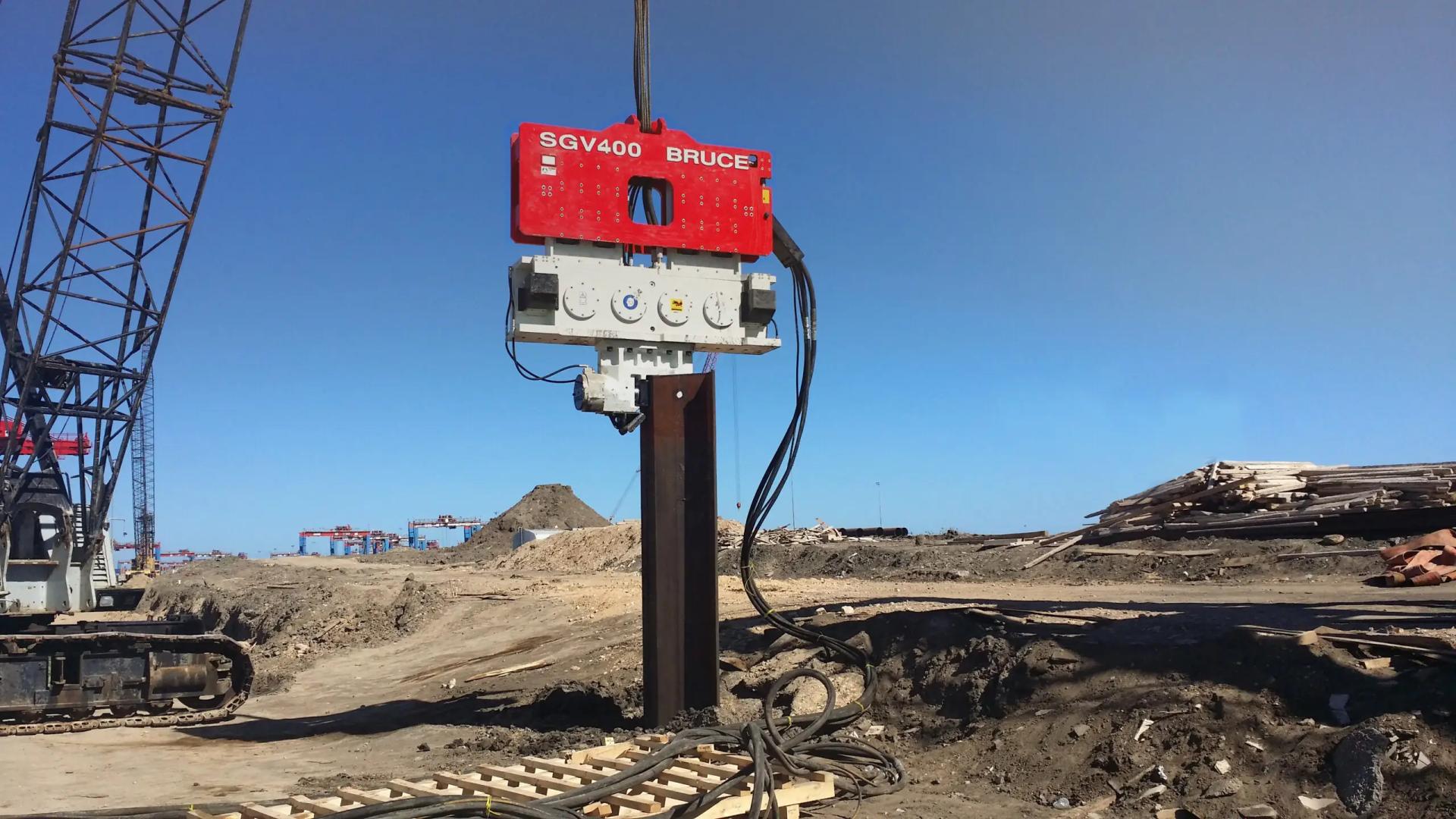

Construction sites are often loud, chaotic, and full of moving equipment. One critical component that helps manage these challenges is the vibratory hammer dampener. As the construction industry continues to evolve, understanding how this tool improves both efficiency and safety is essential for any project manager or contractor looking to streamline operations.
What is a Vibratory Hammer Dampener?
A vibratory hammer is a device used to reduce the impact of vibrations generated by vibratory hammers during pile driving or other heavy construction tasks. Vibratory hammers are often used to install piles into the ground, but the force they generate can cause significant vibrations that can damage nearby structures, disturb the surrounding environment, and even pose a safety risk to workers.
Dampeners work by absorbing and dissipating the excess energy produced by the hammer, reducing vibrations transmitted to the rest of the equipment and surroundings. This allows for a smoother, more controlled installation process while safeguarding workers and the environment.
How Does a Vibratory Hammer Dampener Work?
The dampener works through a system of dampening materials or mechanisms that absorb the energy produced by the hammer’s vibrations. By attaching the dampener to the vibratory hammer, the vibrations are absorbed before they can travel through the rest of the machinery or ground.
These dampeners typically feature advanced materials, such as elastomers or specially engineered composites, which are designed to provide maximum energy absorption and reduce shock transfer. Depending on the project’s needs, different dampeners are chosen to provide optimal vibration reduction.
Benefits of Vibratory Hammer Dampeners
1. Increased Safety
One of the most crucial advantages of using a vibratory hammer is the improvement in safety. Construction sites often have workers operating in close proximity to heavy machinery, and excessive vibrations can create unstable ground conditions, increasing the risk of accidents or injuries.
By reducing the level of vibration, the dampener helps create a safer work environment by minimizing the chances of machinery malfunctions or worker injuries caused by excessive shaking or destabilization of the surrounding ground.
Pro Tip: Always ensure that your vibratory dampener is properly maintained to ensure maximum safety. Regular inspections of the dampening system can help avoid unforeseen malfunctions.
2. Improved Efficiency
Vibratory hammers are known for their power, but this power can often lead to inefficiencies in construction projects. Excessive vibrations can disrupt other parts of the project, leading to delays, rework, or additional costs.
By incorporating a vibratory hammer, the efficiency of the hammer increases. With reduced vibrations, the hammer can work more smoothly, making quicker progress while maintaining the accuracy and stability of the pile installation.
Quick Fact: Studies have shown that using vibratory hammer dampeners can improve operational efficiency by up to 25% in certain construction projects.
3. Environmental Protection
Excessive vibrations not only affect the workers on site but can also disturb the surrounding environment. Vibrations can affect the stability of nearby buildings, roads, and even underground utilities. With a vibratory dampener, these vibrations are minimized, leading to a less invasive construction process.
This also helps meet environmental regulations that require the minimization of disturbances to nearby properties. By investing in vibration-reducing technology, construction companies can avoid costly fines and improve their reputation in the industry.
4. Enhanced Equipment Longevity
By reducing the strain on the machinery, the vibratory hammer extends the life of the vibratory hammer and other associated equipment. The reduced wear and tear from excessive vibrations means fewer breakdowns and lower maintenance costs.
Do You Know? Proper maintenance of your vibratory dampener not only ensures smoother operations but also extends the life of your equipment, saving you money in the long run.
Choosing the Right Vibratory Hammer Dampener
Choosing the appropriate vibratory dampener depends on several factors, including:
- Vibration frequency and amplitude: Different dampeners are designed to handle specific vibration frequencies and amplitudes, so it’s important to match the dampener to the vibratory hammer’s specifications.
- Project scale: Larger projects may require more robust dampeners capable of handling higher levels of vibration.
- Environmental considerations: If working near sensitive environments, choose dampeners that provide higher levels of vibration reduction.
Consulting with manufacturers or specialists can help ensure that the right dampener is selected for the project’s unique needs.
Applications of Vibratory Hammer Dampeners
Vibratory hammers are commonly used in projects such as:
- Pile Driving: Used to install piles for foundations, these dampeners minimize vibrations that could affect nearby structures.
- Bridge Construction: In bridge projects, reducing vibrations is crucial to the stability of the surrounding structures and environment.
- Marine Construction: When working in bodies of water, vibratory dampeners ensure the machinery does not disturb underwater ecosystems or affect nearby vessels.
- Urban Construction: In densely populated areas, reducing vibrations can prevent damage to existing buildings and infrastructure.
Challenges and Considerations
While vibratory hammer dampeners offer numerous benefits, there are also some considerations to keep in mind:
- Initial costs: High-quality dampeners may come with a higher upfront cost, but the benefits far outweigh the initial investment in terms of safety and efficiency.
- Maintenance: Dampeners need regular maintenance to ensure they continue to function properly. Lack of maintenance could reduce their effectiveness over time.
- Compatibility: It’s essential to ensure that the dampener you choose is compatible with your existing vibratory hammer system.
Closing Words
The vibratory hammer dampener plays a critical role in improving safety, efficiency, and environmental protection on construction sites. By reducing vibrations from vibratory hammers, dampeners help minimize risks, enhance project timelines, and protect both workers and the surrounding environment. Whether working on small-scale projects or large infrastructure developments, these devices offer invaluable support in ensuring smoother and safer construction processes.
For more in-depth information, check out the Vibration Reduction Techniques – Centers for Disease Control and Prevention, and Construction Safety and Vibration Management – Occupational Safety and Health Administration.
Key Takeaways:
- Vibratory dampeners reduce excessive vibrations, improving safety and equipment lifespan.
- They help enhance the efficiency of the pile driving process and minimize environmental disturbances.
- Regular maintenance and proper selection are key to maximizing the benefits of these dampeners.
FAQs
- What are the main benefits of using a vibratory hammer dampener on construction sites?
A vibratory hammer enhances safety by reducing vibration-related risks, improves operational efficiency by facilitating smoother work, and protects the surrounding environment from disturbances. - How does a vibratory hammer work?
The dampener absorbs and dissipates the vibrations generated by the vibratory hammer, reducing the energy that is transferred to the surrounding structures and equipment. - Can a vibratory dampener extend the life of construction equipment?
Yes, by minimizing the strain on machinery, vibratory hammer dampeners reduce wear and tear, which in turn extends the equipment’s lifespan and lowers maintenance costs.

























Sign in to leave a comment.