

Every student learns differently. Some children absorb information best through visuals, others by listening, doing, or discussing. In traditional classrooms, it can be difficult for teachers to accommodate every unique learning style due to limited time and large class sizes. This is where virtual school education is making a remarkable difference. Virtual learning environments provide flexible, personalized learning paths that empower students to understand concepts in the way that suits them best.
In today’s digital world, students are becoming more independent, tech-savvy, and curious. They need learning systems that adapt to their pace and interests. Virtual schools are designed exactly for this — offering customized support, diverse learning resources, and the freedom to learn in an environment where students feel confident and comfortable.

Understanding Different Learning Styles
To understand how virtual schools support students, let’s look at the most common learning styles:
Visual Learners – Learn best through images, diagrams, videos, and visual demonstrations.
Auditory Learners – Learn effectively through listening, discussions, and spoken explanations.
Kinesthetic Learners – Understand concepts better by doing, experimenting, and using hands-on activities.
Reading/Writing Learners – Prefer text-based learning, note-taking, and written explanations.
In a virtual school setting, teachers can easily adapt lessons to include all four learning formats. Unlike a traditional classroom lesson that may rely heavily on textbooks or lectures, online learning platforms offer multimedia tools that help students grasp topics more effectively.
How Virtual Schools Personalize Learning
1. Customized Learning Pace
One of the biggest advantages of virtual schooling is the ability to learn at your own speed.
Some students learn concepts quickly and enjoy moving ahead, while others need more time to review or practice. Virtual schools allow students to:
Pause and replay recorded lessons
Spend extra time on difficult topics
Move ahead when they are ready, without waiting for the entire class
This ensures no student feels rushed or left behind.
2. Variety of Learning Materials
Virtual schools make use of various digital learning tools such as:
Interactive videos
Virtual labs
Educational games
Quizzes and practice worksheets
Live discussion classrooms
This variety allows students to explore topics in different ways until they truly understand them. For example, a visual learner might understand a science concept faster through an animated experiment, while a reading/writing learner might prefer written explanations and notes.
3. Individual Attention from Teachers
Online teachers can focus more on each student’s needs. Virtual classrooms are generally smaller, and teachers can interact directly through:
One-on-one feedback sessions
Personalized assignment reviews
Adaptive learning plans based on performance
This individual support boosts confidence and motivation, especially for students who may feel shy speaking up in traditional classrooms.
Supporting Younger Students and Early Learning
For young children, using a best online learning for preschoolers program gives them a structured and engaging learning environment while still allowing flexibility. Preschoolers benefit greatly from colorful visuals, story-based lessons, music-based learning, and interactive activities. Virtual schooling helps young children develop basic skills like language, numbers, communication, and creativity in a fun and supportive way.
Catering to Middle School Learners
In online Lower Secondary School, students begin to develop stronger academic skills and explore new interests. Virtual schools provide:
Project-based learning to encourage creativity
Digital tools that help organize assignments and schedules
Opportunities for group collaboration and communication
Middle school students are at a stage where independence grows, and virtual learning allows them to become more responsible and self-aware learners.
Preparing High School Students for the Future
For teenagers, choosing an online school for high school ensures they gain the academic knowledge and real-world skills needed for university and careers. Virtual high school programs often include:
Advanced subjects and electives
Flexible scheduling for students balancing sports, hobbies, or part-time work
College and career guidance support
High school students also learn valuable digital skills such as research, communication, time management, and online problem-solving skills that are essential in today’s education and workplace environment.
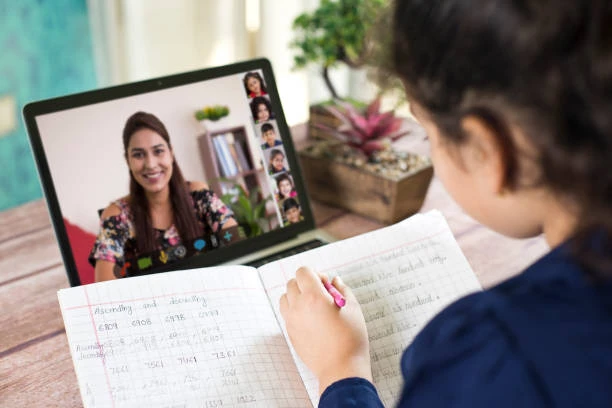
Comfortable Learning Environment
One of the most impactful benefits of virtual schooling is the ability to learn in an environment where students feel safe, relaxed, and focused. No classroom noise, no peer pressure, and no distractions just learning at its best. When students are comfortable, they learn better, faster, and more confidently.
Conclusion
Virtual schools are reshaping the future of education by supporting students’ individual learning styles and providing personalized, flexible, and student-friendly learning environments. Whether your child is in preschool, middle school, or high school, online education offers the tools and freedom to learn successfully.
If you are looking for a modern, supportive, and future-ready education approach, Virtual International School is an excellent choice for encouraging personalized learning success.
























Sign in to leave a comment.