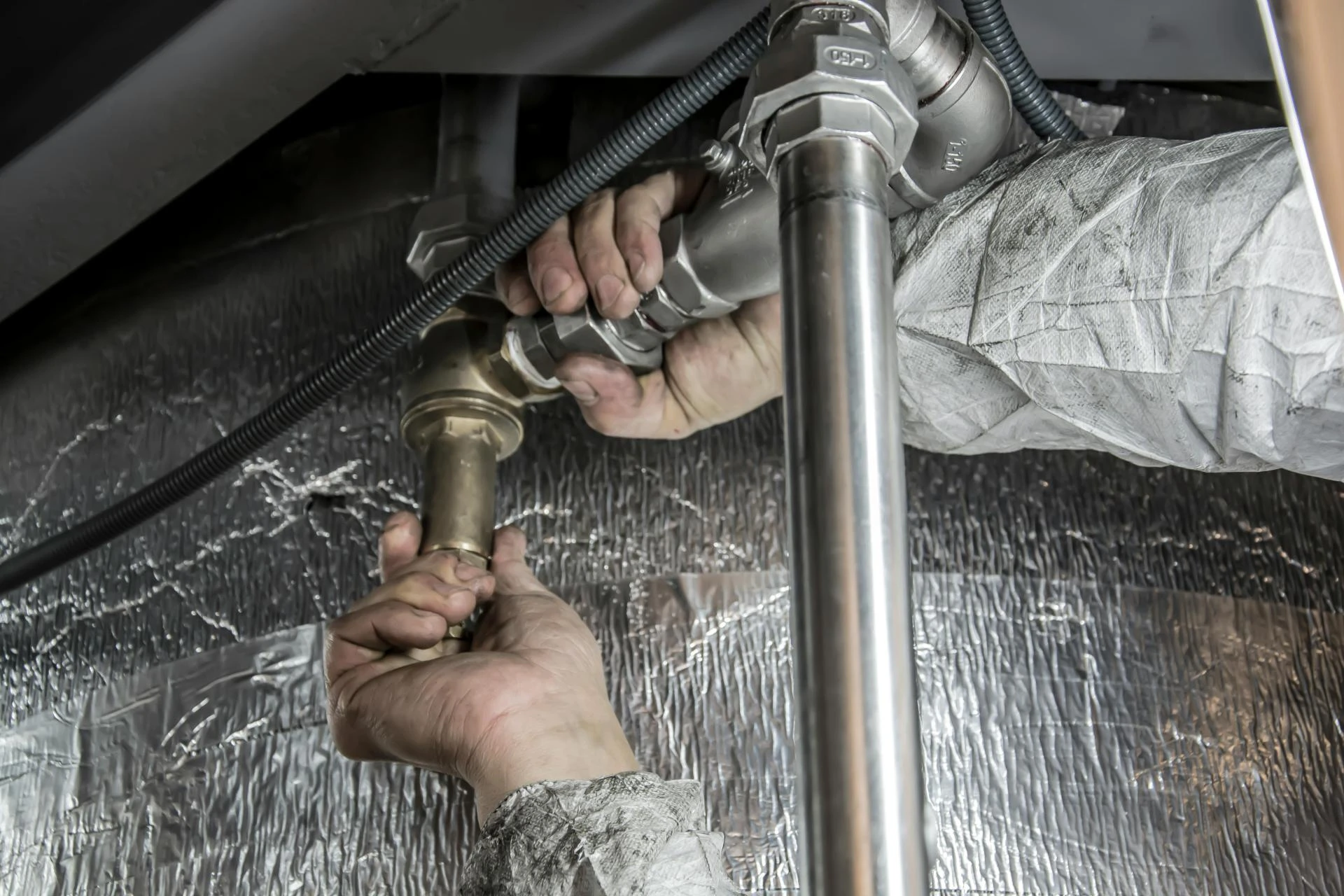

Most homeowners believe that if the city supply is clean, the water inside their home must be safe too. As a plumber, I can tell you this is not always true. Your home’s water quality often depends on the condition of the water line that brings water into your house.
When water line problems start, they quietly affect what you drink, cook with, and bathe in every day.
Why the Water Line Matters More Than You Think
The main water line runs underground and handles constant pressure. Over time, soil movement, aging materials, and temperature changes weaken the pipe.
When the line is healthy, water stays clean and consistent. When it is damaged, the quality can drop without obvious warning.
Many homeowners start searching for water quality health tips only after they notice skin irritation, strange taste, or cloudy water, not realizing the root cause is often the water line itself.
Corrosion and Rust Change Water Quality
Older metal pipes slowly corrode from the inside. Rust flakes break loose and flow into your faucets.
This often causes
• Brown or yellow water
• Metallic taste
• Stains on sinks and laundry
While small amounts of rust may not be immediately harmful, long-term exposure makes water unpleasant and can affect digestion and skin comfort.
Industry reports show that corrosion remains one of the most common causes of water quality complaints in older homes.
Cracks and Leaks Invite Contaminants
Small cracks may seem harmless, but they allow surrounding soil, bacteria, and debris to enter the pipe. Pressure drops pull contaminants inward, especially during heavy water use.
This can lead to
• Cloudy or murky water
• Earthy or musty smells
• Increased bacteria risk
These problems often go unnoticed until health symptoms appear.
Low Pressure and Sediment Build-Up
Water line damage often causes pressure changes. When pressure drops, sediment settles inside the pipe instead of flushing out.
Sediment buildup affects
• Water taste
• Appliance lifespan
• Overall water cleanliness
This is why inconsistent pressure is often linked to declining water quality.
Health Effects Linked to Water Line Issues
Poor water quality does more than look or taste bad.
Homeowners may experience
• Dry or itchy skin after showers
• Stomach discomfort
• Worsening allergies
• Increased exposure to minerals and particles
These symptoms often push people to explore filtration options, but filtration alone cannot fix a damaged line.
Why Early Inspection Makes a Difference
Catching water line problems early protects both your health and your plumbing system. Professional inspections identify corrosion, leaks, and weak spots before contamination becomes severe.
Many homeowners discover the local plumber advantages only when issues are addressed quickly, costs stay lower, and long-term damage is avoided. Local expertise helps identify regional soil and pipe issues that generic solutions miss.
When Repair or Replacement Is Necessary
If a water line is badly corroded or cracked, repair or replacement becomes the safest option. This restores clean water flow and prevents recurring contamination issues.
Temporary fixes delay the problem. Proper repair solves it.
Final Thoughts From a Plumber
Clean water starts with a strong water line. When that line fails, water quality suffers in ways that affect daily life and health.
If your water smells different, tastes odd, or feels harsh on your skin, do not ignore it. Addressing water line issues early protects your home, your health, and your peace of mind.
Your water should support your well-being, not work against it.





Sign in to leave a comment.