
[caption class="snax-figure" align="aligncenter" width="1140"][/caption]
The retail industry is constantly expanding. According to Statista, overall sales in the United States are expected to reach $5.94 trillion in 2024 rising from roughly $5.47 trillion in 2019. As we get closer to 2022, location intelligence appears to be indispensable, necessitating its application in every business, particularly retail. Over 90% of businesses believe that location data is critical to their success.
From 2019 to 2027, the global location intelligence market is predicted to develop at quite a compound yearly growth rate of 15.2%, reaching USD 32.8 billion. This demonstrates the importance of location.
The use of location data helps to provide a more cohesive multichannel shopping experience. Because of how easy consumers rely on mobile purchasing, the use of LI (Location Intelligence) for retail has been pushed by the expanding use of mobile devices, making it much easier for vendors to connect location data with advertising campaigns to show shoppers with possible suggestions at the correct time.
You want to know who your customers are, what they buy, how often they buy, and where they’re from as a retailer. You require Location Intelligence since more than 80% of your data includes Location Intelligence (LI). You’ll need to be able to pinpoint your stats information on its location quality.
What Is Location Intelligence?
This is the method for scraping information from geospatial data to resolve particular challenges in various industries. Location intelligence platforms are based largely on Geographic Information System (GIS) approaches and apply analytical and operational business solutions. Businesses can use the technology to gather valuable datasets such as GPS data, transaction records, and point-of-sale data, as well as other business operations, for in-depth geographic analysis.
The core of location analytics is accurate contextual information on people’s whereabouts and movements. From the standpoint of the retail industry, it provides demographic data on nearby firms, including competitors. LI indicates people inhabits a specific area, how much profits they earned, and what kind of homes they have. It combines demographic data with the data to provide a lot of information about the client base.
Personal and group behavior can also be understood using location intelligence, which integrates psychographic and demographic information. LI can help retailers connect with customers and prospects. It builds a key interaction between a consumer who views your browser and a client who attends your retail shop in the context of Omni channel shopping.
Top 7 Retailers That Uses Location Intelligence In Retail
1. Influence Retail Site Selection
Conventional statistical models such as census numbers have been employed by retailers in site selection strategies for numerous years. In the past, this may have worked successfully. Nonetheless, given the quick changes in customer demand, particularly in the preceding year as a result of the pandemic, it is critical to employ more current and regularly updated geographical information streams. When a shop wants to expand to a new location, there are numerous ways to leverage location information to optimize retail outlet location statistics and impact site selection. Here are a few examples:
• Dynamic map projections can be used to depict the population and demographic characteristics.
• By superimposing competing sites on top of a proposed location, you may get a better understanding of the total impact.
• You can do traffic analysis on a particular neighborhood to have a better knowledge of the neighborhood’s intricate traffic conditions.
2. More Understanding of Customer Demographics
Because of a trade area or the geographical region whereby a retail firm acquires its clients, it is crucial to a retail shop’s long-term viability, your retail team needs to ensure that they establish outlets in places that your target consumers live or visit much. You can get factual info and behavioral observations on people who live and travel nearby specific store outlets thanks to location technology and data.
Using Business Intelligence to have a better understanding of your client base will enable you to give more relevant services and goods, which will have a powerful effect on your leads. Let’s say you know that 70% of the population in a given location are under the age of 35. In such a scenario, you can adjust your marketing strategy and allocate more resources to this age group, as everyone in the region will prefer your shop first, and you must be available!
3. Learning About Customer Patterns
You may assess consumer behavior and obtain a better knowledge of potential customers by using location-based analytics. You can also use it to follow people’s movements in specific areas to see whether there is enough foot traffic to support building there. Reduced friction, convenience, exceptional service, and top-level customization throughout the buying process describe a seamless customer experience.
Retailers must produce meaningful knowledge from the big data they get about their activities and purchasing behaviors to satisfy these objectives. When location analysis is combined with the immense quantities of operational and customer information that most retailers have, they may be able to attain previously imagined efficiencies, increased revenues, strategic edge, and customer experience.
For instance, Salesforce maps, a location-based CRM that connects mobile employees to their roles, leading to more revenue and better customer experiences. This system provides concerned member of team a real-time view of vital customer information based on their location, letting them spend less time planning and more time developing meaningful, long-term relationships with customers.
4. Targeted Campaigns
While smartphones give data on how people interact online, location technology gives information on what people do offline by revealing actual physical position when they are connected to the internet but not actively involved in online activity. Integrating online and offline activity while developing marketing promotion and advertising campaigns is quite effective.
If you add preset locations to digital adverts, you won’t lose money on clicks from clients outside your selected location. When you combine geo-targeting and geo-fencing, you may build specific adverts depending on customer preferences and behavior.
5. Enhancing Client’s Services
Improved customer service is another fantastic example of location intelligence in action. There is a geographic component to the data that organizations collect. After visiting a particular clothes shop, we frequently receive a notification questioning about our experiences there. This data can be used by retailers to track foot activity in their numerous places and give out alerts to clients depending on their location.
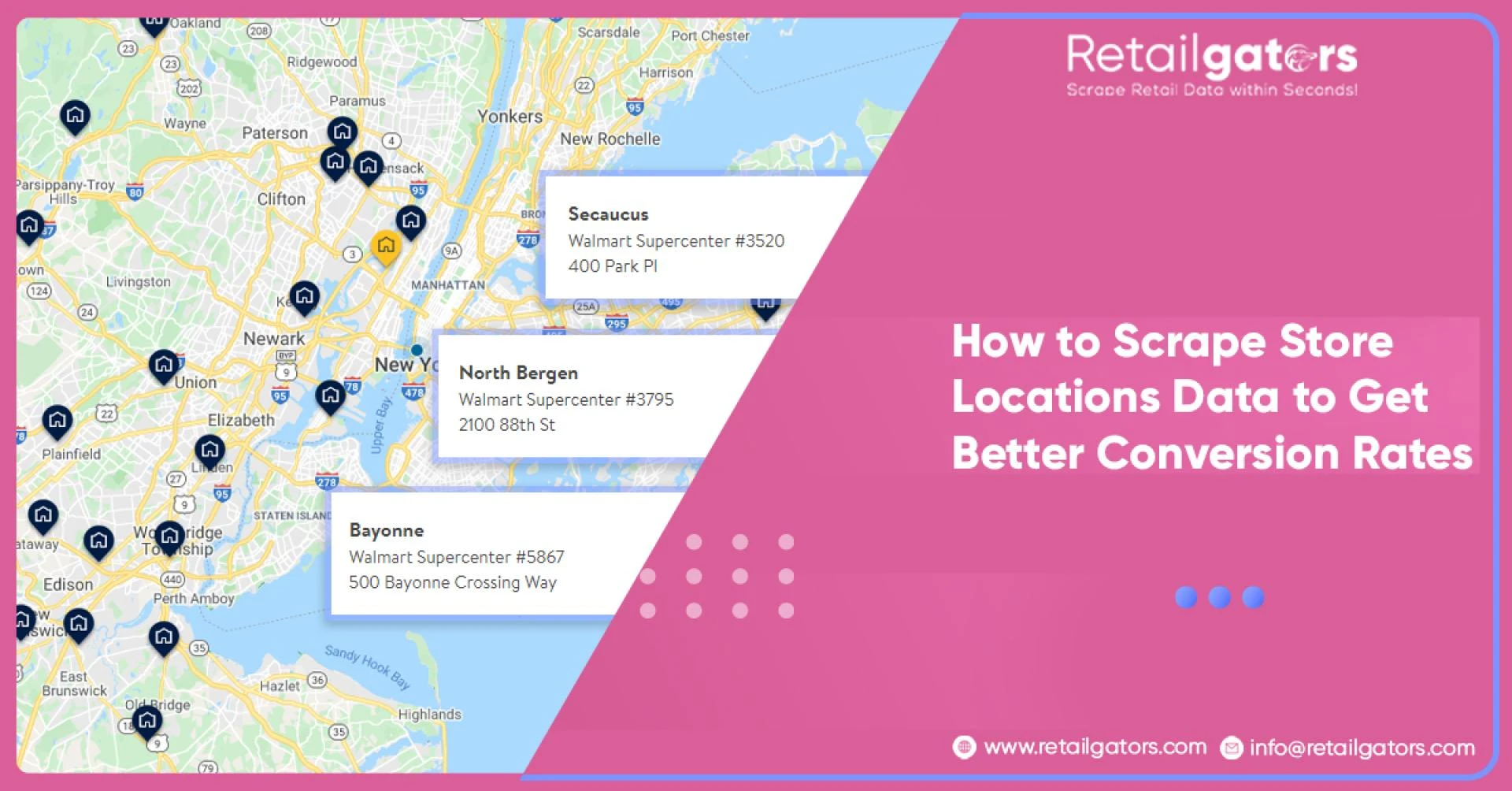
Read more just click: How Web Scraping Is Used To Scrape Location-Based Retail Store Data?




Sign in to leave a comment.