

Children benefit greatly from activities that encourage physical movement, social interaction, and personal development. Organized sports provide opportunities for young athletes to learn important life skills while staying active and engaged. Among the many sports available to children, soccer remains a popular choice because it combines fun, teamwork, and skill development in a supportive environment. Through structured training sessions and guided instruction, youth soccer programs help children build confidence, improve athletic abilities, and develop qualities that contribute to success both on and off the field throughout their growing years.
Building Strong Athletic Foundations
Developing Fundamental Soccer Skills
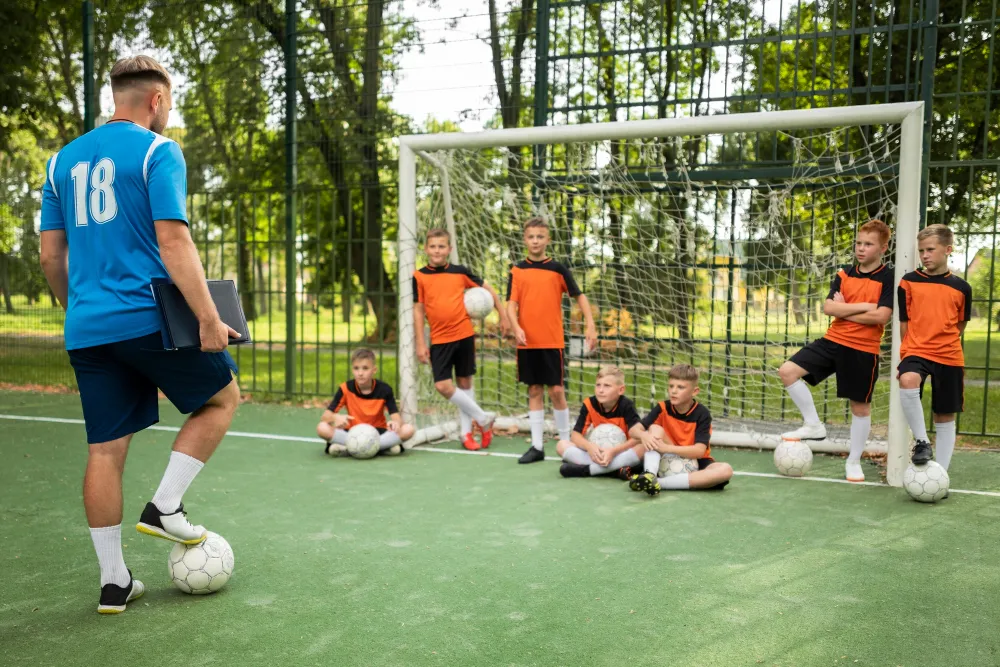
Learning the fundamentals of soccer is an important step in helping young athletes become confident players. Structured training introduces children to essential techniques such as dribbling, passing, shooting, and ball control. These skills form the foundation for future development and allow players to participate more effectively during games and practices. Regular instruction helps children understand proper techniques while encouraging continuous improvement. As players gain experience and become more comfortable with the sport, they often develop greater enthusiasm for learning and participating in athletic activities.
Improving Physical Fitness and Coordination
Soccer involves a variety of movements that contribute to overall physical development. Running, changing direction, balancing, and controlling the ball help strengthen muscles and improve coordination. Consistent participation supports cardiovascular health and encourages children to maintain an active lifestyle. Physical fitness developed through soccer can positively impact daily activities by increasing energy levels and promoting healthy habits. As young athletes become stronger and more coordinated, they gain greater confidence in their abilities and become more willing to engage in other physical challenges and recreational activities.
Encouraging Teamwork and Communication
Learning the Value of Cooperation
Success in soccer depends on players working together toward common goals. Children quickly learn that teamwork is essential for creating scoring opportunities, defending effectively, and supporting teammates. Through practice sessions and games, young athletes discover the importance of cooperation and shared responsibility. These experiences teach children how to contribute to a group effort while respecting the contributions of others. Understanding the value of teamwork helps players develop social skills that can positively influence relationships in school, community activities, and future professional environments.
Strengthening Communication Skills
Communication plays a significant role in soccer and many aspects of life. Players must learn how to share information, provide encouragement, and respond to teammates during activities. Coaches often emphasize effective communication as part of training, helping children become more comfortable expressing themselves clearly and respectfully. These interactions improve listening skills and encourage positive exchanges among participants. As communication abilities develop, young athletes often become more confident when interacting with peers, teachers, and family members in a variety of settings beyond sports.
Building Confidence and Self Esteem
Celebrating Personal Progress
Children gain confidence when they recognize their own growth and accomplishments. Soccer programs provide opportunities for players to learn new skills, overcome challenges, and achieve personal goals. Whether mastering a difficult technique or improving performance during practice, these achievements create a sense of pride and motivation. Positive feedback from coaches and teammates reinforces progress and encourages continued effort. As confidence grows, children become more willing to try new activities and approach challenges with a stronger belief in their abilities and potential.
Encouraging Independence and Responsibility
Participating in organized sports helps children develop a sense of responsibility for their actions and decisions. Players learn the importance of arriving prepared, following instructions, and contributing positively to team activities. These expectations encourage independence and accountability while helping children understand the connection between effort and results. Taking ownership of personal development allows young athletes to become more self motivated and disciplined. The responsibility learned through soccer often carries over into academic pursuits and other areas of personal growth as children mature.
Teaching Discipline and Perseverance
Understanding the Importance of Practice
Improvement in soccer requires dedication and consistent effort. Children learn that skill development does not happen instantly but instead results from regular practice and persistence. Training sessions provide opportunities to refine techniques and gradually build competence. Through this process, players discover the value of hard work and commitment. Learning to practice consistently helps children develop patience and determination, qualities that support success in school, sports, and future personal endeavors. These lessons create a strong foundation for achieving long term goals.
Learning From Challenges
Every athlete experiences setbacks and obstacles while developing new skills. Soccer provides a safe and supportive environment where children can learn how to respond to challenges constructively. Missed opportunities and mistakes become valuable learning experiences rather than reasons for discouragement. Coaches encourage players to focus on improvement and continue working toward their goals. This approach helps children develop resilience and perseverance. The ability to recover from setbacks and maintain a positive attitude is an important life skill that can benefit young athletes throughout their lives.
Creating Positive Social Experiences
Building Meaningful Friendships
Soccer programs bring together children who share common interests and goals. Through regular interaction during practices and games, players have opportunities to form friendships and build strong social connections. Working together on the field encourages trust and mutual support among teammates. These relationships create a sense of belonging that helps children feel comfortable and engaged. Positive friendships developed through sports can contribute to emotional well being and provide valuable social experiences that support healthy personal development during childhood.
Fostering Respect and Sportsmanship
Respect is an important lesson taught through organized sports. Children learn how to treat teammates, opponents, coaches, and officials with courtesy and consideration. Sportsmanship emphasizes fairness, integrity, and positive behavior regardless of competition outcomes. Practicing respect helps create a supportive environment where all participants can enjoy the experience. These lessons extend beyond soccer and influence how children interact with others in everyday life. Developing strong character and ethical behavior contributes to long term personal success and positive community involvement.
Preparing for Future Opportunities
Developing Leadership Skills
Soccer provides opportunities for children to take initiative and demonstrate leadership qualities. Players often learn how to motivate teammates, communicate effectively, and set positive examples through their actions. Leadership experiences help children build confidence and understand the importance of responsibility. As they become more comfortable guiding and supporting others, they develop skills that can benefit them in academic settings, extracurricular activities, and future careers. Early exposure to leadership opportunities encourages personal growth and greater self awareness.
Building Life Skills Beyond the Field
The lessons learned through soccer extend far beyond athletic performance. Children develop time management skills, problem solving abilities, emotional awareness, and effective communication techniques through participation in organized programs. These qualities support success in school and personal relationships while preparing young athletes for future responsibilities. Soccer serves as a valuable platform for character development and lifelong learning. The experiences gained through consistent participation can positively influence many aspects of a child’s journey toward adulthood and achievement.
Conclusion
Youth sports play a valuable role in helping children develop physically, socially, and emotionally. Through structured training, teamwork, and positive guidance, young athletes gain skills and experiences that contribute to long term success. From building confidence and discipline to fostering friendships and leadership qualities, the benefits are far reaching. Families seeking opportunities for children to grow in a supportive environment can explore programs offered by Soccer Stars Huron Valley to help young players reach their full potential.

























Sign in to leave a comment.