"Why Your Business Needs an HR Management System"
Discover how a Human Resource Management System streamlines HR tasks, boosts productivity, and helps small businesses grow smarter.
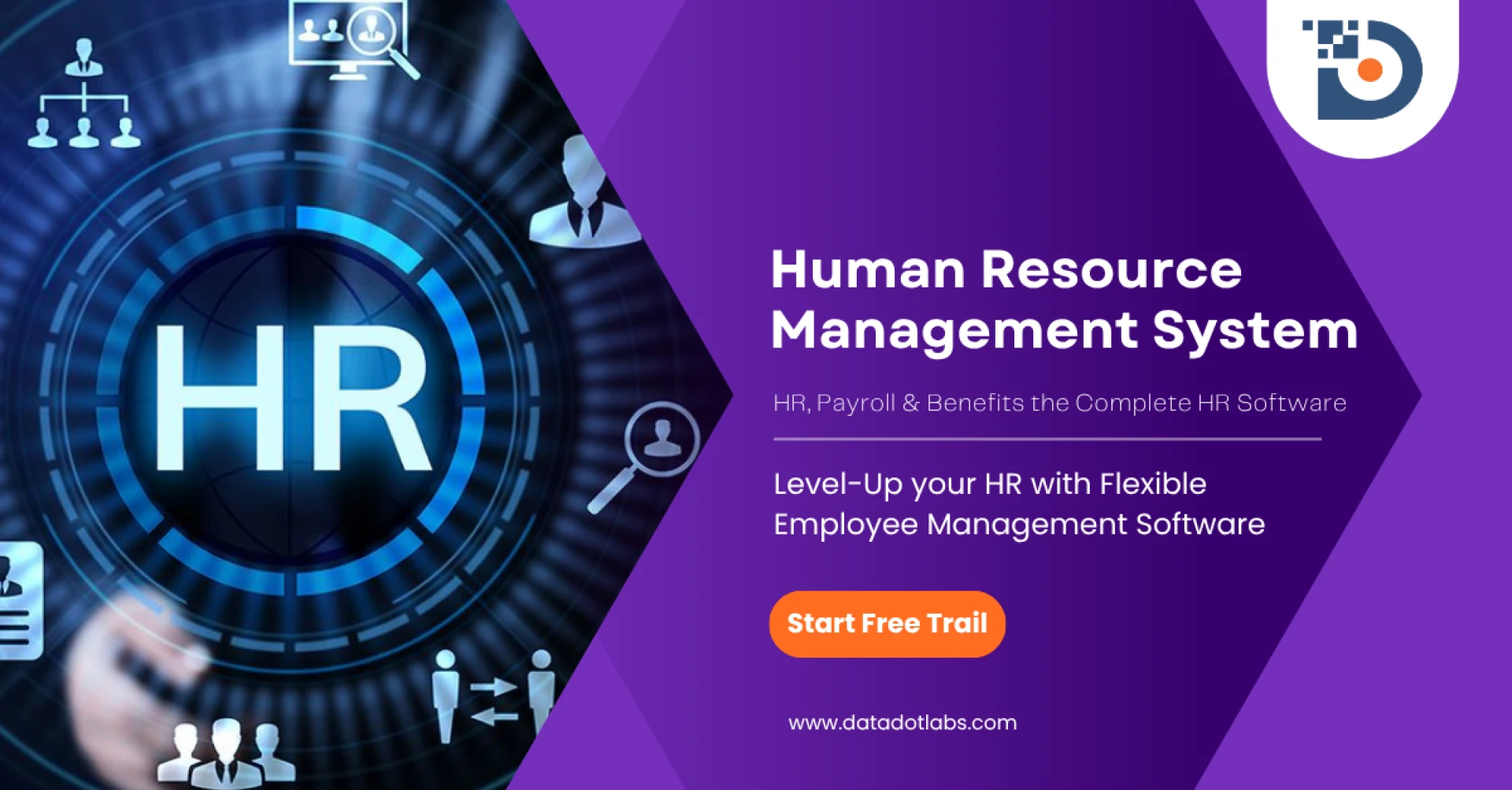
Managing human resources is a complex task—especially for small businesses juggling hiring, payroll, and compliance with limited resources. A Human Resource Management System (HRMS) offers a smarter, more efficient way to handle HR processes. From automating tedious admin tasks to improving employee experience, an HRMS is no longer a luxury—it's a necessity. In this post, we’ll explore why your business should invest in one now.
Why Your Business Needs a Human Resource Management System (HRMS)
In today’s fast-paced business environment, companies—especially small and medium enterprises—need to operate as efficiently as possible. Managing human resources manually is not only time-consuming but also prone to costly errors. That’s where a Human Resource Management System (HRMS) comes in.
Let’s explore how this powerful tool can transform your business operations and why now is the perfect time to make the switch.
What Is a Human Resource Management System?
A Human Resource Management System (HRMS) is a software solution that integrates various HR functions such as:
- Recruitment
- Onboarding
- Payroll and benefits
- Time and attendance
- Performance evaluation
- Employee records management
- Compliance and reporting
In essence, an HRMS centralizes all HR-related data, automates routine tasks, and provides valuable analytics to help businesses make data-driven decisions.
Key Benefits of Implementing an HRMS
1. Time-Saving Automation
Manual HR tasks like entering employee data, processing payroll, or tracking attendance can eat up hours every week. An HRMS automates these workflows, allowing your HR team to focus on strategic work like improving employee engagement or planning workforce growth.
2. Improved Accuracy and Compliance
Human error is inevitable when tasks are done manually. HRMS platforms reduce mistakes in payroll calculations, benefits administration, and tax filings. Most systems also help you stay compliant with local labor laws by offering built-in updates and alerts.
3. Streamlined Recruitment and Onboarding
From posting job openings to managing applications and onboarding new hires, an HRMS can simplify the entire hiring process. It keeps your recruitment funnel organized and improves the candidate experience.
4. Better Employee Experience
A modern HRMS often includes self-service portals where employees can check their leave balance, download payslips, or request time off. This transparency builds trust and empowers employees.
5. Centralized Data and Powerful Reporting
No more digging through spreadsheets. An HRMS consolidates employee data in one place and provides real-time dashboards and reports. This makes it easier to track KPIs, monitor turnover, and plan for future needs.
How an HRMS Helps Small Businesses Compete
For small businesses, every dollar and hour counts. HRMS tools give you enterprise-level efficiency without the need for a large HR department. Here’s how:
- Cost Efficiency: Fewer admin errors and better compliance mean fewer penalties and losses.
- Scalability: As your business grows, the HRMS grows with you—no need to reinvent the wheel.
- Remote Readiness: Cloud-based HRMS tools allow you to manage HR functions from anywhere, an essential feature for hybrid or remote teams.
Final Thoughts
An HRMS isn't just a tool for big corporations anymore. Small businesses, startups, and software developers can all gain from the organization, automation, and strategic insights an HRMS offers. With the right system in place, your HR department becomes a driver of growth—not just a support function.
























Sign in to leave a comment.