
In the world of modern construction and infrastructure development, the efficient design and implementation of various systems are crucial for the functionality and safety of buildings. This article delves into the intricacies of HVAC system design, electrical power system protection, and related engineering concepts such as power distribution systems, ETAP (Electrical Transient Analysis Program) training, substation design, firefighting, plumbing design, and Revit MEP.
HVAC System Design:
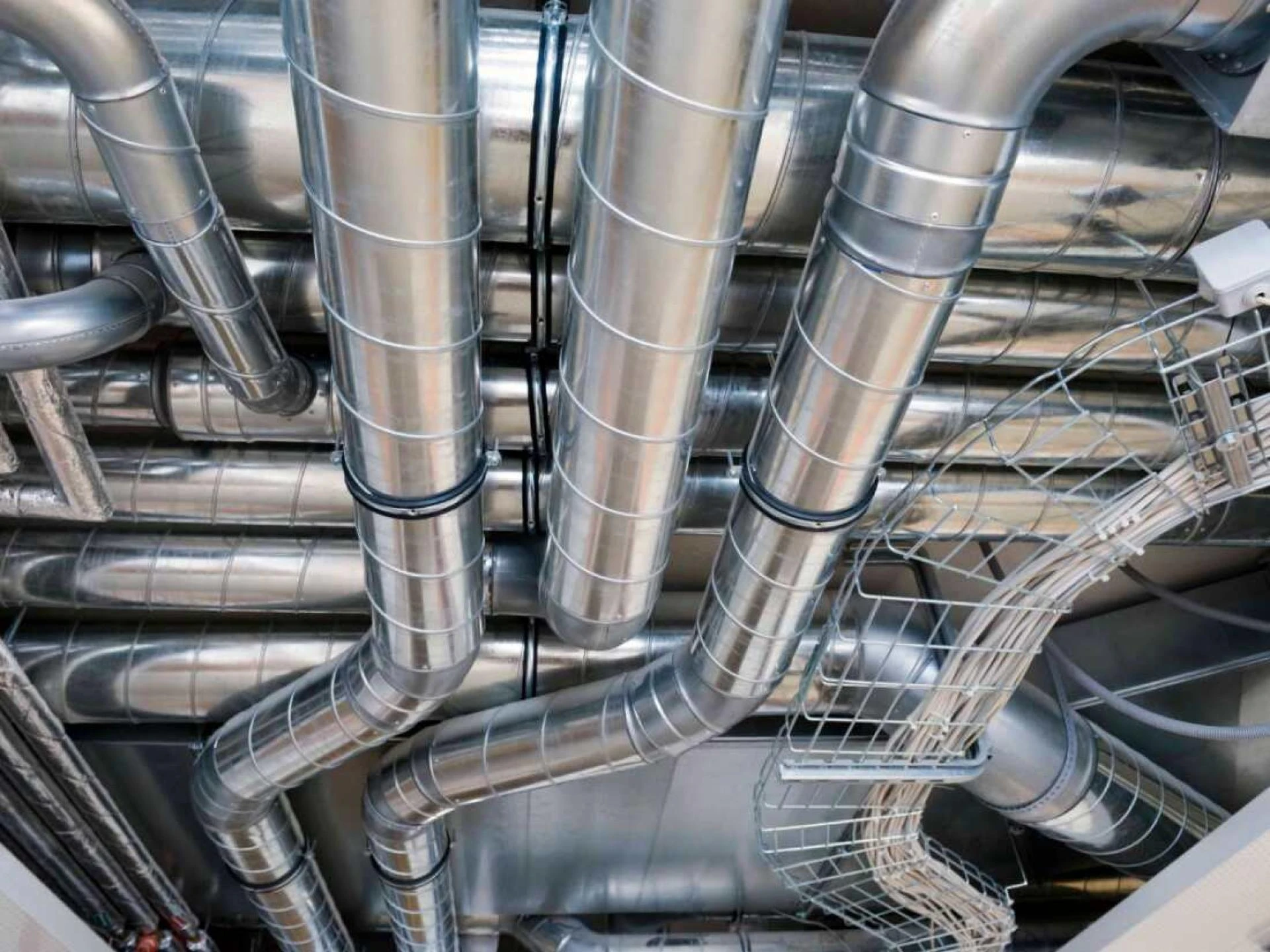
HVAC, which stands for Heating, Ventilation, and Air Conditioning, plays a pivotal role in maintaining a comfortable indoor environment. The design of an HVAC system involves a meticulous process of selecting and sizing equipment, ductwork, and controls to ensure optimal thermal comfort, indoor air quality, and energy efficiency.
Key components of HVAC system design include:
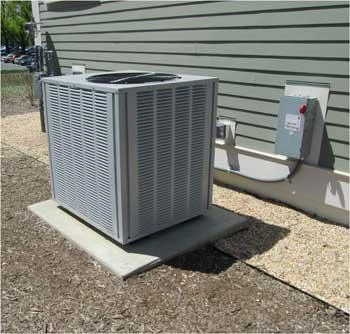
Load Calculation: Accurate determination of heating and cooling loads based on factors such as building size, occupancy, climate, and insulation.Equipment Selection: Choosing appropriate heating and cooling equipment, such as furnaces, air conditioners, and heat pumps, based on load calculations and efficiency requirements.Ductwork Design: Planning the layout of ducts to distribute conditioned air efficiently throughout the building while minimizing energy losses.Controls and Automation: Implementing systems to regulate temperature, humidity, and air quality through advanced control systems and automation.Electrical Power System Protection:
Electrical power systems are the backbone of modern infrastructure, and protecting them from faults and disturbances is essential to ensure continuous and reliable electricity supply. Power protection involves the use of various devices and strategies to safeguard electrical equipment from potential damage.
Key aspects of electrical power system protection include:
Protective Relays: Installing relays that can detect abnormal conditions, such as overloads or short circuits, and trigger protective actions to isolate faulty sections.Circuit Breakers: Employing circuit breakers to interrupt the flow of electrical current in case of faults, preventing damage to connected equipment.Grounding: Ensuring proper grounding to dissipate electrical faults and provide a safe pathway for fault currents.Surge Protection: Implementing measures to protect against voltage spikes or surges caused by lightning or other external factors.Power Distribution System and ETAP:
The power distribution system is responsible for efficiently delivering electrical energy from the source to various end-users. ETAP, on the other hand, is a powerful software tool used for electrical system modeling, analysis, and simulation.
Key elements of power distribution systems and ETAP include:
Load Distribution: Designing the layout of electrical distribution networks to ensure balanced loads and minimize voltage drops.ETAP Training: Providing training on the use of ETAP software for engineers and professionals involved in electrical system design, analysis, and optimization.Substation Design:
Substations are integral components of power distribution systems, where voltage levels are transformed for efficient transmission and distribution. Substation design involves careful planning and implementation of equipment to ensure reliability and safety.
Key considerations in substation design include:
Transformer Sizing: Determining the appropriate size and type of transformers to step up or step down voltage levels.Switchgear and Control Systems: Selecting reliable switchgear and control systems for effective operation and monitoring of the substation.Firefighting and Plumbing Design:
In addition to electrical and HVAC systems, firefighting and plumbing designs are essential for ensuring the safety and functionality of buildings.
Key components of firefighting and plumbing design include:
Fire Suppression Systems: Implementing automatic sprinkler systems, fire hydrants, and other measures to prevent and control fires.Plumbing Systems: Designing efficient plumbing systems for the distribution of water, waste removal, and ensuring proper sanitation within a building.Revit MEP:
Revit MEP is a Building Information Modeling (BIM) software that supports the design and documentation of mechanical, electrical, and plumbing systems within a building.
Key features of Revit MEP include:
Parametric Design: Using parametric modeling to create intelligent building components that are interconnected and can be easily modified.Coordination and Collaboration: Facilitating collaboration between different disciplines (mechanical, electrical, plumbing) to ensure seamless integration of systems in a building.Conclusion:
In conclusion, a well-designed and integrated approach to HVAC systems, electrical power system protection, power distribution, ETAP training, substation design, firefighting, plumbing design, and Revit MEP is essential for the efficient and safe operation of modern buildings. Engineers and professionals in these fields must stay updated on the latest technologies and best practices to meet the ever-evolving demands of the construction and infrastructure industry.




Sign in to leave a comment.