
The Role of HVAC Technicians in Furnace Installation
Introduction:
In the realm of home comfort and energy efficiency, the role of HVAC (Heating, Ventilation, and Air Conditioning) technicians is paramount, particularly when it comes to furnace installation. A properly installed furnace not only ensures warmth during chilly seasons but also plays a pivotal role in optimizing energy usage and reducing utility bills. This comprehensive guide delves into the intricate process of furnace installation, the expertise required of HVAC technicians, and the significance of efficiency in modern heating systems.
Understanding Furnace Installation:
Furnace installation is a multifaceted process that demands precision, expertise, and adherence to safety standards. It begins with a comprehensive assessment of the property\'s heating needs, considering factors such as square footage, insulation levels, ductwork condition, and existing HVAC infrastructure. HVAC technicians evaluate the suitability of various furnace types, including gas, electric, and oil-fired furnaces, based on efficiency ratings, fuel availability, and homeowner preferences.
Key Considerations for Efficient Furnace Installation:
- Proper Sizing: HVAC technicians conduct load calculations to determine the appropriate furnace size for the home, ensuring optimal heating capacity without unnecessary energy consumption or equipment strain.
- Ductwork Evaluation: Thorough inspection of existing ductwork is essential to identify any leaks, blockages, or inefficiencies that may compromise heating performance. Technicians may recommend duct sealing, insulation upgrades, or duct modifications to enhance airflow and efficiency.
- Energy Efficiency Ratings: Energy-efficient furnaces, marked by high Annual Fuel Utilization Efficiency (AFUE) ratings, minimize heat loss and maximize fuel utilization, resulting in lower operating costs and reduced environmental impact.
- Ventilation and Air Quality: Proper ventilation and air filtration are integral to furnace installation, ensuring the circulation of clean, fresh air throughout the home while mitigating indoor air pollutants, allergens, and contaminants.
- Programmable Thermostat Integration: The integration of programmable or smart thermostats enhances furnace efficiency by enabling precise temperature control, personalized scheduling, and energy-saving features such as setback periods and zone heating.
The Role of HVAC Technicians:
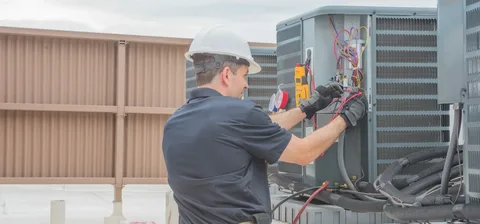
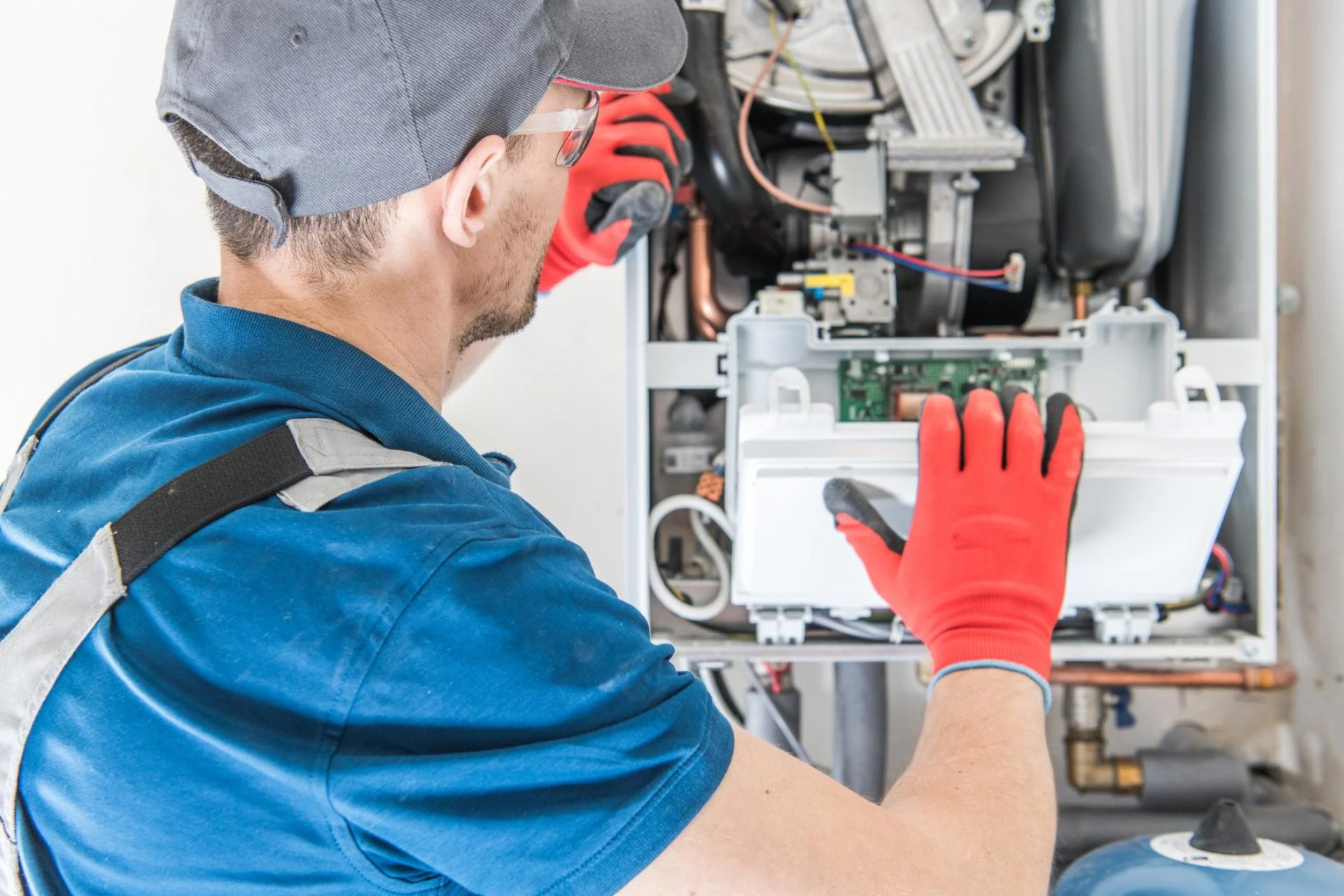
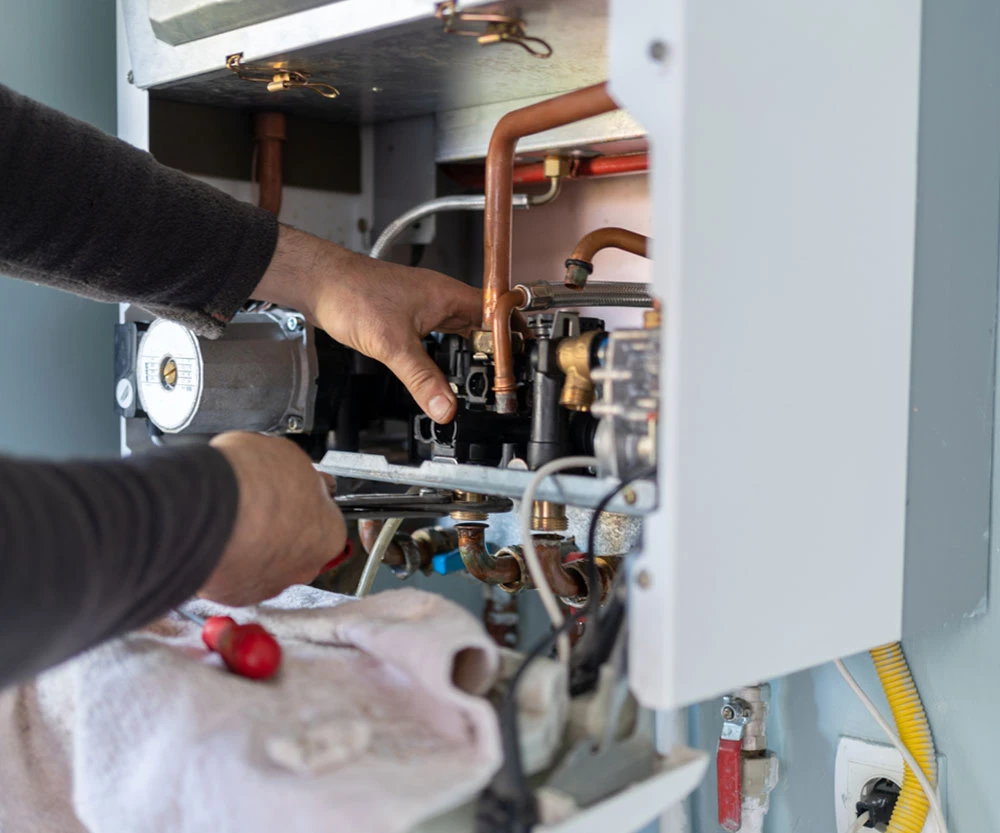
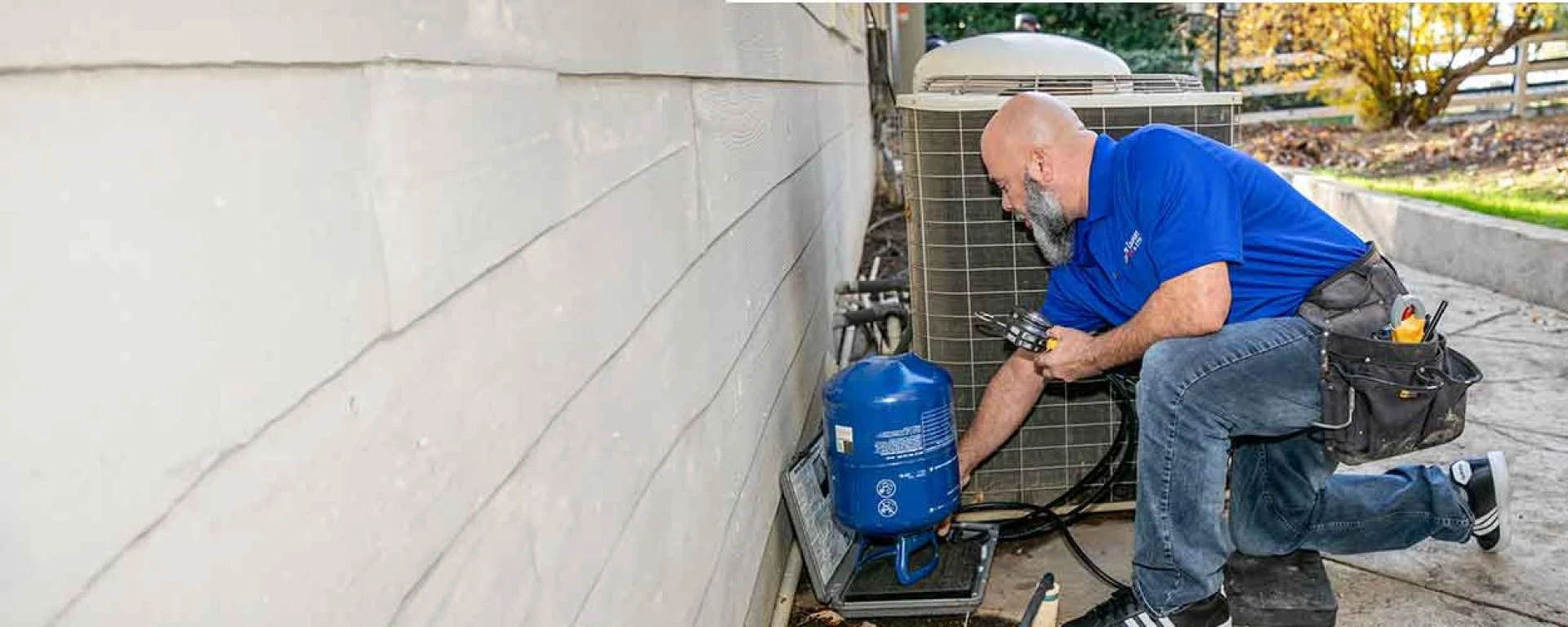
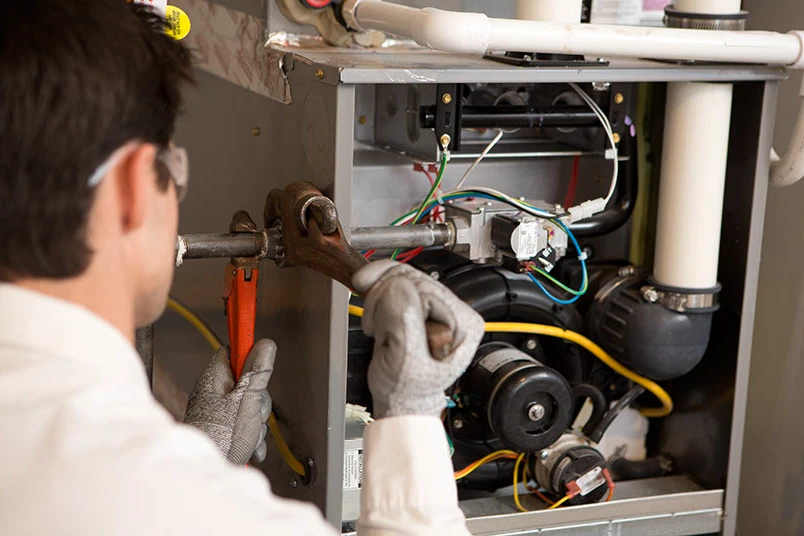
HVAC technicians are trained professionals equipped with the knowledge, skills, and tools necessary to execute flawless furnace installations. Their expertise extends beyond mere technical proficiency; they serve as consultants, educators, and problem solvers, guiding homeowners through the furnace selection process, explaining energy-saving strategies, and offering maintenance tips to prolong equipment lifespan and performance.
Efficiency and Energy Savings:
Efficient furnace installation translates into tangible benefits for homeowners, including:
- Reduced Energy Bills: High-efficiency furnaces consume less fuel to generate heat, resulting in lower monthly utility bills and long-term cost savings.
- Enhanced Comfort: Even heating distribution, balanced airflow, and precise temperature control contribute to consistent indoor comfort and fewer temperature fluctuations.
- Environmental Sustainability: Energy-efficient furnaces minimize greenhouse gas emissions and reduce fossil fuel consumption, aligning with sustainability initiatives and environmental conservation efforts.
Maintenance and Longevity:
Regular maintenance is essential to preserve furnace efficiency and prolong its operational lifespan. HVAC technicians recommend annual inspections, filter replacements, duct cleaning, and tune-ups to address minor issues, optimize performance, and prevent costly repairs down the line.
Conclusion:
Efficient furnace installation is a cornerstone of home comfort, energy efficiency, and environmental stewardship. By entrusting the task to qualified HVAC technicians, homeowners can reap the rewards of optimized heating performance, reduced energy consumption, and enhanced indoor comfort. As technology evolves and energy standards evolve, HVAC professionals remain committed to staying abreast of industry advancements, delivering superior service, and empowering homeowners to make informed decisions about their heating systems. With the guidance of skilled technicians and a commitment to efficiency, every home can enjoy the warmth and comfort of a well-installed furnace, even during the coldest winter months.





Sign in to leave a comment.