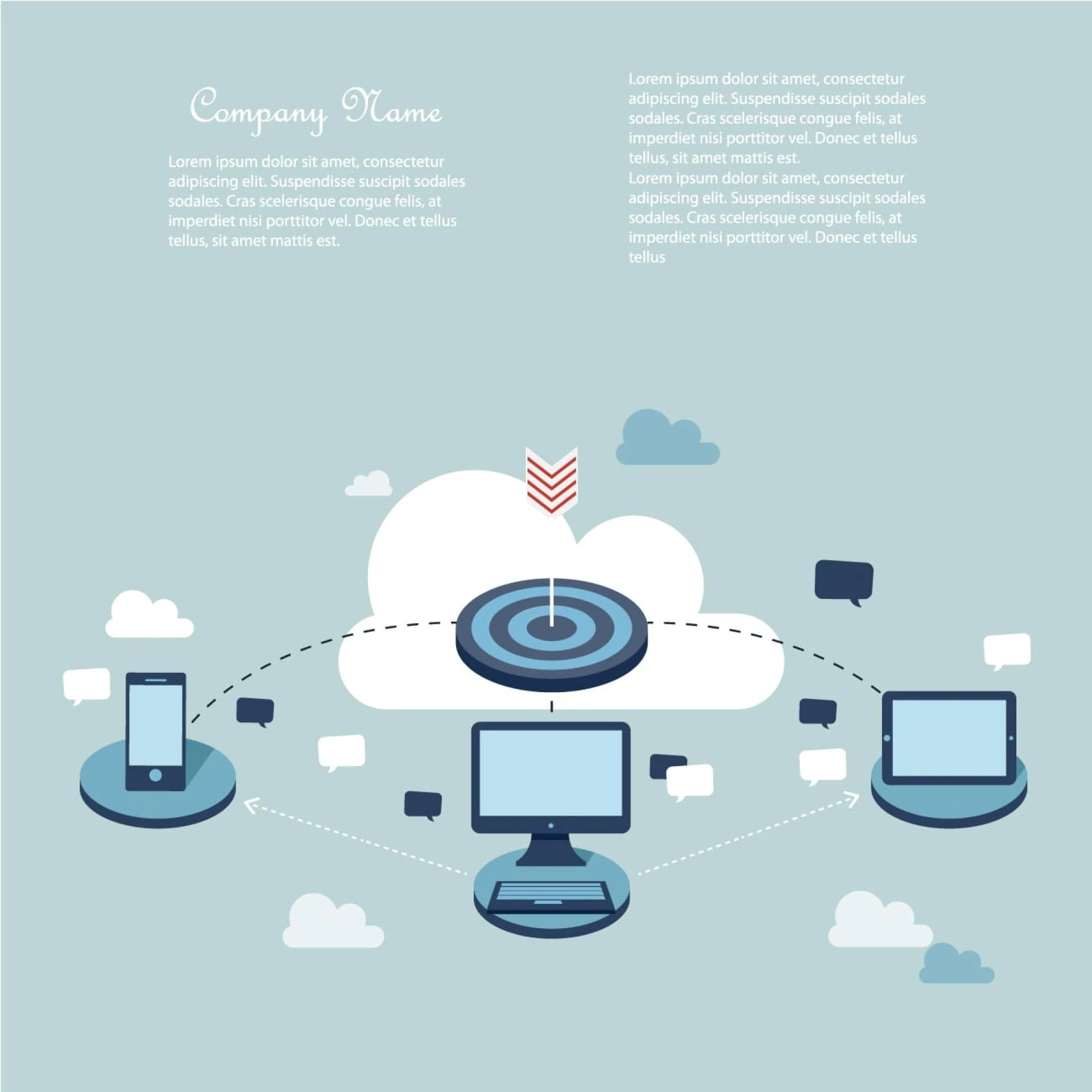

Explore the benefits and challenges of hybrid cloud computing, the future of enterprise IT. Learn how to manage multiple cloud environments improve performance.
Hybrid cloud computing is an infrastructure that combines the use of public cloud, private cloud, and on-premise data center services to provide a unified IT environment. It allows businesses to leverage the benefits of public and private clouds while still maintaining control over their data.
Advantages of Hybrid Cloud Computing
Flexibility: Businesses can customize their infrastructure to meet their specific needs.Scalability: Businesses can scale their infrastructure to meet changing demands.Reduced costs: Hybrid cloud computing allows businesses to reduce their IT infrastructure costs.Security: Businesses can choose to store sensitive data on their private cloud while still utilizing the benefits of public cloud services.Hybrid Cloud Architecture
Public Cloud
The public cloud is a model where cloud services are provided over the internet by third-party providers. It is an off-premise service, and businesses can use it to store data and run applications.
Private Cloud
The private cloud is a model where cloud services are provided to a specific organization. It is an on-premise service, and businesses can use it to store data and run applications.
Community Cloud
The community cloud is a model where cloud services are shared by several organizations. It is an off-premise service, and businesses can use it to store data and run applications.
Hybrid Cloud
The hybrid cloud is a model where cloud services are provided by a combination of public, private, and community cloud services. It allows businesses to utilize the benefits of different cloud services while still maintaining control over their data.
Types of Hybrid Cloud
Horizontal Hybrid Cloud
The horizontal hybrid cloud is a type of hybrid cloud where the public and private cloud services are used for the same purpose. For example, a business can use the public cloud to store non-sensitive data and use the private cloud to store sensitive data.
Vertical Hybrid Cloud
The vertical hybrid cloud is a type of hybrid cloud where the public and private cloud services are used for different purposes. For example, a business can use the public cloud for running applications and the private cloud for storing sensitive data.
Benefits of Hybrid Cloud Computing
Cost-Effective
Hybrid cloud computing allows businesses to reduce their IT infrastructure costs by leveraging the benefits of public and private clouds. Businesses can use the public cloud for non-sensitive data and use the private cloud for sensitive data, which can reduce the cost of maintaining an on-premise data center.
Security
Hybrid cloud computing allows businesses to segregate sensitive data on their private cloud, which is secure and compliant with regulations, while still utilizing the benefits of public cloud services for non-sensitive data.
Scalability
Hybrid cloud computing allows businesses to scale their infrastructure to meet changing demands. They can easily add or remove resources as needed without having to invest in expensive hardware.
Flexibility
Hybrid cloud computing provides businesses with the flexibility to customize their infrastructure to meet their specific needs. They can choose to use public or private cloud services depending on their requirements.
Increased Performance
Hybrid cloud computing can provide businesses with increased performance by utilizing the benefits of public cloud services for non-sensitive data and the private cloud for sensitive data.
Challenges of Hybrid Cloud Computing
Data Management
Businesses need to manage their data across multiple cloud environments, which can be challenging. They need to ensure that their data is secure and compliant with regulations.
Security
Businesses need to ensure that their data is secure across multiple cloud environments. They need to implement appropriate security measures to protect their data.
Complexity
Managing multiple cloud environments can be complex. Businesses need to ensure that their infrastructure is properly configured to avoid any performance or security issues.
Use Cases of Hybrid Cloud Computing
Healthcare
Healthcare organizations can use hybrid cloud computing to store and manage sensitive patient data on a private cloud while still utilizing the benefits of public cloud services for non-sensitive data.
Finance
Finance organizations can use hybrid cloud computing to store and manage sensitive financial data on a private cloud while still utilizing the benefits of public cloud services for non-sensitive data.
Retail
Retail organizations can use hybrid cloud computing to store and manage sensitive customer data on a private cloud while still utilizing the benefits of public cloud services for non-sensitive data.
Conclusion
Hybrid cloud computing is the future of enterprise IT as it provides businesses with flexibility, scalability, and cost-effectiveness. However, businesses need to address the challenges of managing multiple cloud environments to ensure that their infrastructure is secure and compliant with regulations.
FAQs (Frequently Asked Questions)
Q: What is hybrid cloud computing?
A: Hybrid cloud computing is an infrastructure that combines the use of public cloud, private cloud, and on-premise data center services to provide a unified IT environment.
Q: What are the benefits of hybrid cloud computing?
A: The benefits of hybrid cloud computing include flexibility, scalability, reduced costs, security, and increased performance.
Q: What are the challenges of hybrid cloud computing?
A: The challenges of hybrid cloud computing include data management, security, and complexity.
Q: What are the use cases of hybrid cloud computing?
A: Hybrid cloud computing has various use cases, including healthcare, finance, and retail.










Sign in to leave a comment.