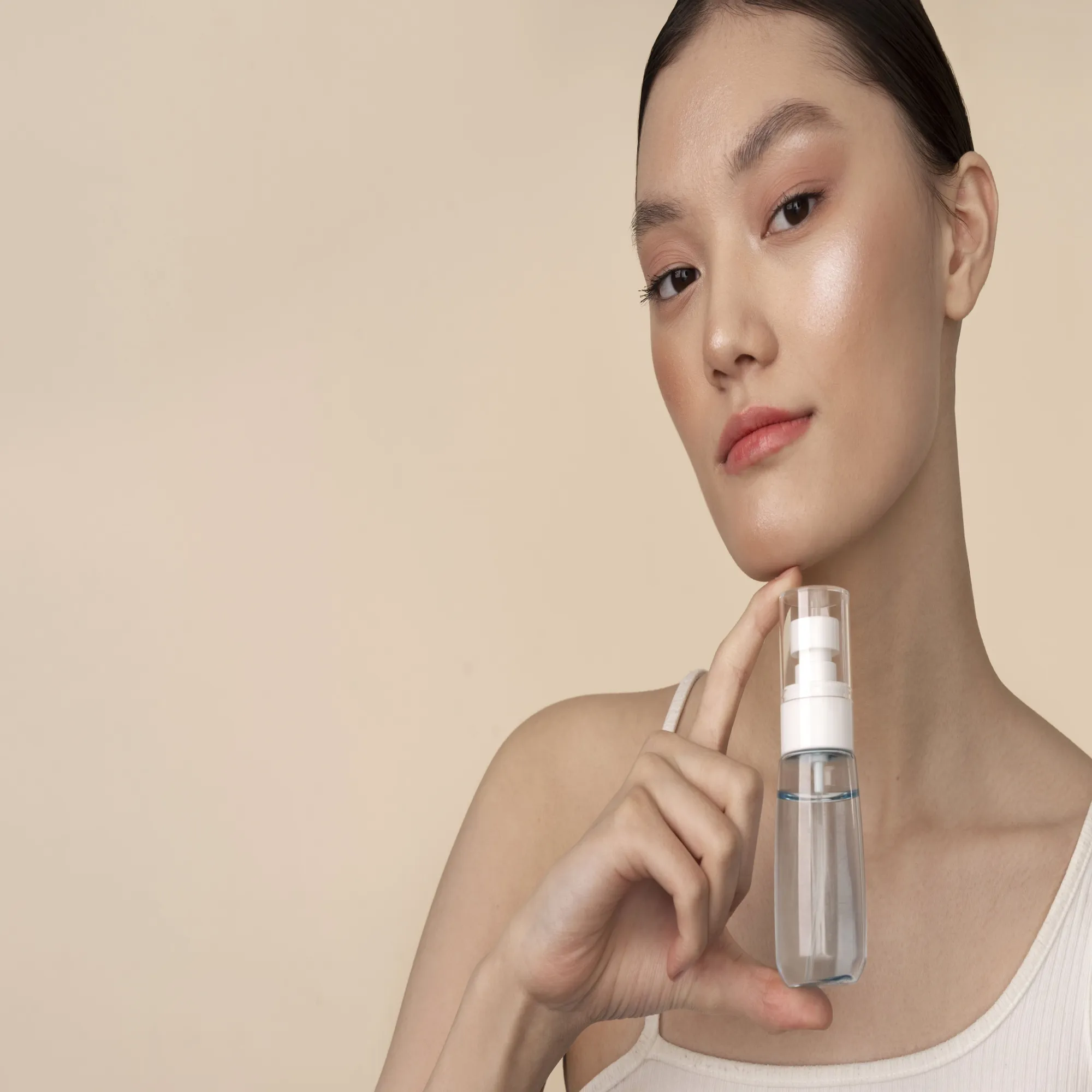

Dehydrated skin can be confusing. Your face may feel tight after cleansing, look dull by midday, or produce extra oil even though it still feels uncomfortable underneath. In a place like the UAE, where heat, humidity, sun exposure, and air conditioning are part of daily life, dehydration is one of the most common skin concerns.
This is where toner often enters the conversation. In Korean skincare, toner is not just a quick wipe after cleansing. A good Korean toner can help prepare the skin, add lightweight moisture, calm visible irritation, and support the skin barrier before serums and creams.
But there is one common question: if your skin is dehydrated, should you use a hydrating toner or a soothing toner?
The answer depends on what your skin is really experiencing. Some dehydrated skin mainly needs water-based moisture. Other skin also needs calming support because the barrier is stressed. Understanding the difference can help you build a Korean skincare routine that feels comfortable, balanced, and practical.
What Is Dehydrated Skin?
Dehydrated skin is not the same as dry skin. Dry skin usually lacks oil. Dehydrated skin lacks water.
This means any skin type can become dehydrated, including oily, combination, acne-prone, and sensitive skin. In fact, oily skin can sometimes produce more sebum when it is dehydrated, which makes people think they need harsher cleansers or stronger acne products. Unfortunately, that can make the skin feel even tighter and more irritated.
Common signs of dehydrated skin include:
- Tightness after washing your face
- Dull or tired-looking skin
- Fine lines that look more visible when skin is dry
- Makeup clinging to patches
- Oily shine with an uncomfortable tight feeling
- Skin that stings when applying products
- Rough texture or uneven glow
In the UAE, dehydration can be triggered by hot weather, frequent indoor air conditioning, daily sun exposure, low water intake, over-cleansing, exfoliating too often, and skipping moisturiser or sunscreen.
Why Toner Matters in a Korean Skincare Routine
A toner is usually applied after cleansing and before serum or moisturiser. Its job is to prepare the skin for the rest of the routine.
In older skincare routines, toner was often associated with strong, alcohol-heavy formulas that removed oil. Korean skincare changed this idea. Many Korean toner formulas are lightweight, layerable, and designed to either hydrate, calm, balance, or refresh the skin.
A toner can help by:
- Adding the first layer of hydration after cleansing
- Reducing the tight feeling caused by water loss
- Helping skin feel more comfortable before serums
- Supporting a smoother-looking skin texture
- Preparing the skin for moisturiser and sunscreen
For dehydrated skin, the right toner can make the rest of your routine feel more effective because your skin is not starting from a tight, thirsty state.
What Is a Hydrating Toner?
A hydrating toner focuses on adding water-based moisture to the skin. It is usually lightweight, watery, and easy to layer.
Hydrating toners often contain ingredients that attract and hold water in the skin. These are commonly known as humectants.
Common Ingredients in Hydrating Toners
You may find ingredients such as:
- Hyaluronic acid
- Glycerin
- Betaine
- Panthenol
- Aloe vera
- Rice extract
- Green tea
- Seaweed or algae extracts
These ingredients help the skin feel plumper, softer, and less tight. A hydrating toner is especially useful when your skin looks dull, feels tight, or needs a fresh layer of moisture before serum and cream.
Who Should Use a Hydrating Toner?
A hydrating toner may work well if your skin:
- Feels tight after cleansing
- Looks dull or flat
- Feels oily but still dehydrated
- Needs lightweight moisture without heaviness
- Gets dry from air conditioning
- Feels uncomfortable under makeup or sunscreen
For beginners, a hydrating toner is often a good first step into Korean skincare because it is simple, flexible, and easy to include in both morning and evening routines.
What Is a Soothing Toner?
A soothing toner focuses on calming the skin. It is helpful when dehydration is linked with visible redness, sensitivity, acne stress, or a weakened skin barrier.
When the skin barrier is not happy, even basic products can sting. Your face may feel hot, itchy, rough, or reactive. In this case, adding hydration alone may not be enough. The skin may also need calming ingredients that help reduce discomfort and support barrier recovery.
Common Ingredients in Soothing Toners
Soothing toner formulas may include:
- Heartleaf extract
- Centella asiatica
- Mugwort
- Green tea
- Panthenol
- Allantoin
- Madecassoside
- Licorice root extract
These ingredients are often used in Korean skincare because they support skin comfort without feeling too heavy.
Educational Note on Anua Heartleaf Toner
Anua Heartleaf toner is often discussed in K-beauty communities because heartleaf is known as a calming botanical ingredient. It is commonly associated with routines for sensitive, oily, or acne-prone skin. This does not mean one product is necessary for everyone, but it does show why soothing ingredients have become popular in Korean toner formulas.
A soothing toner may be a better choice if your skin is not only dehydrated but also easily irritated.
Hydrating Toner vs Soothing Toner: What Is the Real Difference?
The main difference is the skin concern each toner focuses on.
A hydrating toner mainly targets water loss. A soothing toner mainly targets discomfort and visible irritation. Both can be useful for dehydrated skin, but they solve slightly different problems.
Choose a Hydrating Toner If:
- Your skin feels tight but not irritated
- Your main concern is dullness or dryness after cleansing
- You want a plumper, fresher skin feel
- Your skin tolerates most products well
- You spend long hours in air-conditioned rooms
Choose a Soothing Toner If:
- Your skin stings easily
- You have visible redness or sensitivity
- Your skin barrier feels weak
- You are using exfoliants, retinoids, or acne treatments
- Your skin feels hot, itchy, or reactive
- You want to calm skin after sun exposure
Can You Use Both?
Yes, but you do not always need to.
Some toners combine hydrating and soothing ingredients in one formula. For example, a toner may include glycerin or panthenol for hydration and heartleaf or centella for calming support. This type of balanced formula can be helpful for dehydrated skin that also feels sensitive.
If you use two separate toners, keep the routine simple. Apply the thinner, more watery toner first, then follow with the slightly richer one. However, beginners should usually start with one toner and observe how the skin responds.
Which One Works Better for Dehydrated Skin?
For simple dehydration, a hydrating toner usually works better because the main issue is lack of water. It helps reduce tightness and gives the skin a fresh moisture layer.
However, if dehydration comes with sensitivity, redness, stinging, acne irritation, or barrier damage, a soothing toner may be the better choice. In this case, the skin does not just need hydration. It needs comfort.
The most practical answer is this:
- If your skin feels tight and dull, start with a hydrating toner.
- If your skin feels tight, red, and reactive, start with a soothing toner.
- If your skin is both dehydrated and sensitive, choose a toner that offers both hydration and calming support.
For many people in the UAE, a balanced Korean toner can be especially useful because the skin often deals with heat outdoors and dry air indoors on the same day.
How to Use Toner for Dehydrated Skin
Using toner correctly matters as much as choosing the right type.
Morning Routine
A simple morning routine can look like this:
- Gentle cleanser or water rinse
- Korean toner
- Lightweight serum if needed
- Moisturiser
- Broad-spectrum sunscreen
In the UAE, sunscreen is especially important because sun exposure can make dehydration, pigmentation, and skin stress worse. Toner can support hydration, but it cannot replace sunscreen.
Evening Routine
An evening routine can look like this:
- Cleanser
- Toner
- Serum or treatment
- Moisturiser
- Barrier cream if skin feels very dry or sensitive
If you wear sunscreen or makeup daily, cleansing properly at night helps prevent buildup. After cleansing, toner can help bring comfort back to the skin before the rest of your routine.
The Best Application Method
You can apply toner in two main ways.
With Your Hands
This is usually best for dehydrated or sensitive skin. Pour a small amount into your palms and gently press it into the skin. This avoids unnecessary friction.
With a Cotton Pad
This can be useful if you want a light refreshing step, but it may not be ideal for irritated or barrier-damaged skin. Rubbing too much can make sensitivity worse.
For dehydrated skin, the hand-pressing method is often gentler and more effective.
The Layering Method: Should You Apply Toner More Than Once?
Korean skincare often uses light layers instead of one heavy product. If your skin feels very dehydrated, you can apply a hydrating toner in two thin layers.
This is sometimes called the layering method. The goal is not to overload the skin but to build hydration gradually.
A safe beginner approach:
- Apply one layer after cleansing.
- Wait a few seconds.
- Apply a second layer only if your skin still feels tight.
- Seal it with moisturiser.
Do not apply too many layers if your skin is acne-prone or easily congested. More product is not always better.
Mistakes to Avoid When Using Toner
Even a good toner can disappoint if the rest of the routine is not balanced.
Avoid these common mistakes:
- Using toner as a replacement for moisturiser
- Applying toner on very wet skin without sealing it
- Choosing harsh exfoliating toners for daily use
- Layering too many active ingredients
- Skipping sunscreen in the morning
- Using cotton pads too aggressively
- Changing too many products at once
- Expecting overnight transformation
Dehydrated skin usually improves with consistency. A gentle toner, moisturiser, and sunscreen routine can make a visible difference over time, but the key is patience.
How to Choose the Right Korean Toner for UAE Weather
The UAE climate creates a unique skincare challenge. Outside, the skin deals with heat, sun exposure, and sweat. Indoors, air conditioning can pull moisture from the skin and make it feel tight.
When choosing a Korean toner, look for formulas that match your daily environment.
For Hot and Humid Days
Choose a lightweight toner that absorbs quickly and does not feel sticky. Hydrating but watery textures usually work well under sunscreen.
For Air-Conditioned Offices
Choose a toner with humectants like glycerin, panthenol, or hyaluronic acid. These can help reduce the tight feeling caused by dry indoor air.
For Sensitive or Acne-Prone Skin
Choose soothing ingredients such as heartleaf, centella, mugwort, or green tea. These ingredients can support comfort without making the routine feel heavy.
For Barrier Repair
Look for calming and moisturising support. Panthenol, beta-glucan, allantoin, and centella are commonly used in barrier-friendly Korean skincare routines.
Where Toner Fits With Sunscreen, Acne Care, and Glass Skin Goals
Toner alone will not create glass skin, clear acne, or repair the skin barrier completely. But it can support these goals when used as part of a balanced routine.
For glass skin, toner helps create the hydrated, smooth-looking base that makes skin appear more fresh and reflective.
For acne-prone skin, a soothing toner may help reduce the feeling of stress caused by over-cleansing or strong treatments.
For sunscreen use, toner can make the skin feel more comfortable before applying SPF, especially if sunscreen usually feels dry or heavy.
For barrier care, toner can be the first calming step after cleansing, followed by moisturiser to seal everything in.
Where to Find Authentic Korean Skincare in the UAE
Finding authentic Korean skincare in the UAE can make it easier to build a consistent routine, especially if you are new to K-beauty and want products that fit your skin type, climate, and budget.
Lamise Beauty offers access to authentic Korean skincare and beauty products at an affordable price in the UAE, making it a helpful place for beginners who want to explore toner, sunscreen, moisturisers, and other routine essentials without feeling overwhelmed.
If you are comparing toner options for hydration, soothing care, or barrier support, browsing a curated selection of Korean toner products can help you understand which textures and ingredients may suit your skin best.
Final Takeaway
So, which toner works better for dehydrated skin: hydrating or soothing?
A hydrating toner is usually best when your skin mainly feels tight, dull, or moisture-starved. A soothing toner is better when dehydration comes with redness, sensitivity, stinging, or barrier stress.
For many skincare users in the UAE, the ideal choice may be a toner that combines both hydration and soothing support. This type of toner can help the skin feel refreshed after cleansing, comfortable under sunscreen, and better prepared for the rest of your Korean skincare routine.
The most important thing is to listen to your skin. Start simple, choose gentle ingredients, avoid over-exfoliation, and stay consistent. Dehydrated skin does not need an aggressive routine. It needs steady hydration, barrier support, and daily protection.













Sign in to leave a comment.