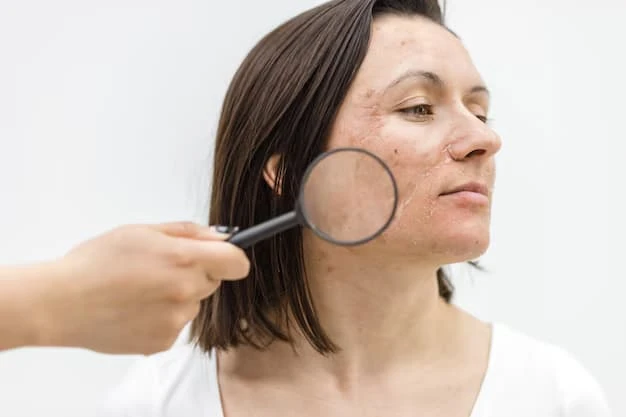

Hyperpigmentation is a common skin condition that can affect individuals of all ages and ethnic backgrounds. It manifests as dark patches on the skin, resulting from an excess of melanin production. While this condition is not harmful, it can lead to self-consciousness and a longing for clearer skin. In Bristol, many individuals seek effective treatments to combat hyperpigmentation, aiming for a more even skin tone and improved confidence. This article delves into the various options available for hyperpigmentation treatment in Bristol, the potential results one can expect, and the factors influencing the overall experience.
Understanding Hyperpigmentation
Hyperpigmentation occurs when certain areas of the skin become darker than the surrounding skin. This condition can be triggered by several factors, including sun exposure, hormonal changes, medications, and certain skin injuries. The most common types of hyperpigmentation are melasma, sunspots, and post-inflammatory hyperpigmentation, each with unique causes and characteristics.
Melasma typically appears as brown or gray-brown patches on the face, often linked to hormonal fluctuations during pregnancy or the use of birth control pills. Sunspots, on the other hand, are a direct result of prolonged sun exposure, usually developing in areas frequently exposed to sunlight, such as the face, hands, and shoulders. Post-inflammatory hyperpigmentation arises following skin trauma, such as acne or injuries, leading to dark spots as the skin heals. Understanding the type and cause of hyperpigmentation is crucial for selecting the most effective treatment.
Available Treatment Options
Bristol offers a range of hyperpigmentation treatment options, each designed to target specific types of discoloration and cater to various skin types. Those seeking to address their condition can choose from both clinical and at-home treatments, depending on their preferences and the severity of their hyperpigmentation.
1. Topical Treatments
One of the most common approaches for treating hyperpigmentation involves the use of topical treatments. These products often contain active ingredients such as hydroquinone, retinoids, azelaic acid, or vitamin C. Hydroquinone is a skin-lightening agent that inhibits melanin production, making it effective for various types of hyperpigmentation. Retinoids, derived from vitamin A, promote cell turnover and can help lighten dark spots while improving the overall texture of the skin.
Azelaic acid is another versatile ingredient that not only addresses hyperpigmentation but also helps with acne, making it suitable for those who may experience both conditions. Vitamin C, renowned for its antioxidant properties, brightens the skin and helps reduce the appearance of dark spots. These topical treatments can be used alone or in combination, depending on individual skin needs and the advice of a skincare professional.
2. Chemical Peels
Chemical peels have gained popularity as a more intensive option for treating hyperpigmentation. During this procedure, a chemical solution is applied to the skin, causing the outer layer to exfoliate and eventually peel off. This process reveals fresher, less pigmented skin underneath. Chemical peels can vary in strength, with superficial peels targeting the outermost layers and deeper peels penetrating further for more significant results.
The choice of chemical peel depends on the severity of the hyperpigmentation and skin type. Superficial peels are often suitable for mild cases and require minimal downtime, while deeper peels may provide more dramatic results but necessitate longer recovery periods. Consulting with a qualified practitioner is essential to determine the appropriate type of peel for individual needs.
3. Laser Treatment
For those seeking more immediate and effective results, laser treatments have emerged as a powerful option for hyperpigmentation. Various laser technologies are available, such as fractional lasers and Q-switched lasers, each designed to target specific skin concerns. Laser treatments work by delivering concentrated beams of light to the affected areas, breaking down excess melanin and promoting the growth of new, healthier skin.
While laser treatments can yield significant improvements in hyperpigmentation, they also come with potential side effects, including redness, swelling, and temporary discomfort. A thorough consultation with a skilled practitioner can help individuals weigh the benefits against the risks, ensuring they select the best treatment for their skin type and condition.
Expected Results and Aftercare
Individuals undergoing hyperpigmentation treatment in Bristol can expect varying results depending on the chosen method, skin type, and adherence to aftercare guidelines. Most topical treatments will take several weeks to show noticeable improvements, while chemical peels and laser treatments may reveal results within a few days to weeks post-procedure.
Aftercare is a crucial aspect of any treatment, as it significantly impacts the outcome. Protecting the skin from sun exposure is vital, as UV rays can exacerbate hyperpigmentation and hinder healing. Patients are often advised to apply broad-spectrum sunscreen daily and avoid direct sunlight, especially during peak hours. Additionally, following a consistent skincare routine that includes moisturizing and gentle cleansing can aid in recovery and enhance results.
Lifestyle Considerations for Prevention
While treatments can effectively address existing hyperpigmentation, adopting preventive measures is essential for maintaining results and preventing future occurrences. Individuals should consider incorporating sun protection into their daily routine, regardless of the weather. Wearing protective clothing and seeking shade can significantly reduce the risk of sun-induced pigmentation.
Moreover, maintaining a healthy lifestyle that includes a balanced diet rich in antioxidants can contribute to overall skin health. Foods high in vitamins C and E, as well as omega-3 fatty acids, can support skin repair and reduce inflammation. Staying hydrated and managing stress levels can also play a role in promoting a clear and even complexion.
Choosing the Right Provider in Bristol
Selecting the right provider for hyperpigmentation treatment in Bristol is a critical step in achieving desired results. Prospective patients should seek practitioners with a solid reputation, proven experience, and a comprehensive understanding of various treatment options. Reading reviews, seeking recommendations, and undergoing consultations can help individuals make informed decisions.
During consultations, patients should feel comfortable discussing their concerns, expectations, and any prior experiences with skincare treatments. A personalized approach ensures that the selected treatment aligns with individual skin needs and goals, ultimately leading to better outcomes.
Conclusion
Hyperpigmentation can be a challenging condition to manage, but numerous treatment options are available in Bristol to help individuals regain their confidence and achieve clearer skin. From topical treatments to advanced procedures like chemical peels and laser treatments, the variety of choices allows for personalized approaches tailored to individual needs. With proper aftercare and preventive measures, individuals can enjoy lasting results and maintain a radiant complexion. For those considering hyperpigmentation treatment in Bristol, Este Medical Group Bristol offers a range of services designed to address various skin concerns effectively.



























Sign in to leave a comment.