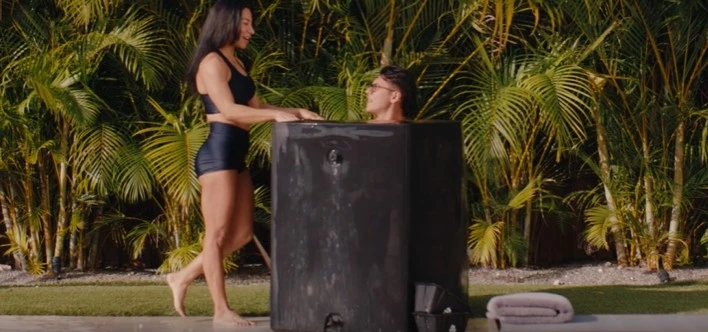

As someone who's been exploring cold therapy for years, I can tell you there's a lot more to it than just toughing out frigid temperatures. Cold water immersion unlocks a whole new level of physical and mental resilience.
Whether you're an athlete looking to boost recovery or someone seeking to improve overall well-being, understanding the nuances between ice baths and cold plunges can make all the difference in your results.
The Cold Hard Facts: Ice Baths vs. Cold Plunges
Let's break down the key differences between these two chilly contenders. Ice baths typically involve immersing yourself in water temperatures between 50-59°F (10-15°C).
Cold plunges, on the other hand, can be even more extreme, with temperatures sometimes dipping below 40°F (4°C).
Both methods fall under the umbrella of cold water therapy, a practice with roots dating back to ancient civilizations. The Romans and Greeks incorporated cold water into their health routines, and today we're rediscovering these benefits with a modern, scientific twist.
The Science of the Chill
When you expose your body to cold water, several fascinating physiological responses kick in:
Vasoconstriction
Your blood vessels constrict, which can help reduce inflammation and potentially reduce muscle soreness. This is why many athletes swear by cold therapy after intense workouts.
The narrowing of blood vessels helps to flush out metabolic waste products and reduce swelling in tissues.
Hormonal Changes
Your body releases norepinephrine, a hormone that can improve focus and attention. It's a natural cognitive boost, without the jitters of caffeine.
This hormone surge can lead to increased alertness and even a mild euphoric feeling post-immersion.
Metabolic Boost
Some studies have shown that cold exposure can increase metabolic rate by up to 350% in certain cases. That's a significant calorie burn just from sitting in cold water!
This boost in metabolism can continue for hours after the cold exposure, potentially aiding in weight management efforts.
Brown Fat Activation
Cold temperatures can activate brown adipose tissue, which may help with weight management. This "good" fat helps burn calories to generate heat.
Unlike white fat, which stores energy, brown fat is metabolically active and can contribute to improved insulin sensitivity and glucose regulation.
Vagus Nerve Stimulation
Cold water can stimulate the vagus nerve, potentially improving mood and reducing anxiety. It's like a reset button for your nervous system.
This stimulation can lead to improved heart rate variability, a key indicator of overall health and stress resilience.
Diving Deeper: Benefits Beyond the Obvious
While many turn to cold water therapy for its potential to reduce muscle soreness and inflammation, research suggests a wide array of extra benefits:
Immune System Boost
A 2018 study found that regular winter swimmers experienced a 40% reduction in respiratory tract infections. That's a significant defense against the common cold!
The immune-boosting effects are thought to be related to the controlled stress response triggered by cold exposure.
Mental Resilience
Cold exposure can build mental toughness and improve stress response. It's a workout for your mind as well as your body.
Regular cold therapy practitioners often report improved ability to handle stressful situations in daily life.
Cardiovascular Health
Cold water immersion may improve heart health and circulation. It's a natural way to give your cardiovascular system a workout.
The rapid constriction and dilation of blood vessels can improve vascular tone and overall circulatory efficiency.
Sleep Quality
Some users report improved sleep patterns after regular cold therapy. It could be the key to unlocking those elusive restful nights.
The improved sleep quality may be related to the regulation of core body temperature and the release of sleep-promoting hormones.
Skin Health
Cold exposure can tighten pores and may improve overall skin appearance. It's like a natural, full-body facial.
The vasoconstriction followed by increased blood flow can give the skin a healthy, glowing appearance.
The Muscle Growth Controversy
Here's where things get interesting – and a bit controversial. While cold water therapy is widely praised, it's not without its critics.
A 2015 study published in the Journal of Physiology suggested that cold water immersion after resistance training might actually hinder long-term gains in muscle mass and strength.
This has led to ongoing debates about the optimal use of cold therapy in different training regimens. The key takeaway?
Context matters.
Cold therapy might be great for endurance athletes but could potentially slow gains for those focused on building muscle mass.
The mechanism behind this potential interference with muscle growth is thought to be related to the reduction in inflammation. While reducing inflammation can be beneficial for recovery, some level of inflammation is necessary for muscle adaptation and growth.
This highlights the importance of tailoring cold therapy protocols to person goals and training types.
Implementing Cold Therapy: A Step-by-Step Guide
Start Slow
Begin with shorter durations (30 seconds to 1 minute) and warmer temperatures (around 60°F or 15°C). This allows your body to gradually adapt to the cold stress without overwhelming your system.
Starting too cold or for too long can be counterproductive and potentially dangerous.
Gradually Increase Exposure
Over time, work your way up to 2-3 minutes at colder temperatures. This progressive approach helps build cold tolerance and maximizes the benefits of the therapy.
Keep a log of your sessions to track your progress and adjust accordingly.
Focus on Breathing
Use controlled breathing techniques to manage the initial shock of cold water. Deep, slow breaths can help activate the parasympathetic nervous system, reducing the stress response and allowing you to stay in the cold water longer.
Practice techniques like box breathing or the Wim Hof method to enhance your cold tolerance.
Post-Workout Timing
If using for recovery, aim to get in the cold water within 30 minutes of finishing your workout. This timing helps to maximize the anti-inflammatory effects and can potentially enhance recovery.
However, if your goal is muscle hypertrophy, you might want to delay cold exposure or limit its frequency.
Listen to Your Body
If you start shivering uncontrollably or feel numbness, it's time to get out. These are signs that your body is struggling to maintain its core temperature.
Ignoring these signals can lead to hypothermia or other cold-related injuries.
Warm Up Safely
After your cold exposure, warm up gradually. Avoid hot showers immediately after, as the sudden temperature change can be jarring to your system.
Instead, use gentle movement, warm clothing, or room-temperature showers to slowly bring your body temperature back up.
Consistency is Key
Aim for regular sessions (2-3 times per week) to build cold tolerance and maximize benefits. Consistency allows your body to adapt to the cold stress and can lead to more pronounced long-term benefits.
However, be sure to allow for adequate recovery between sessions.
Common Issues and How to Avoid Them
Cold Shock Response
The initial plunge can cause gasping and rapid breathing. This response is because of the sudden activation of cold receptors in the skin. To mitigate this, ease in slowly and focus on controlled breathing.
You can also try splashing cold water on your face and neck before full immersion to help prepare your body.
Hypothermia Risk
Staying in too long can lead to dangerous drops in body temperature. Stick to recommended time limits and always have a spotter.
Signs of hypothermia include intense shivering, confusion, and slurred speech.
If you experience these symptoms, exit the cold water immediately and seek warmth.
Overuse
More isn't always better. Excessive cold exposure can stress the body.
Listen to your body and give yourself recovery days.
Overuse can lead to fatigue, decreased immune function, and even cold urticaria (an allergic reaction to cold temperatures).
Ignoring Contraindications
Cold therapy isn't for everyone. Those with heart conditions, high blood pressure, or Raynaud's syndrome should ask a doctor first.
Other conditions that may need caution or medical clearance include pregnancy, certain autoimmune disorders, and peripheral neuropathy.
Adapting Cold Therapy to Different Scenarios
For Athletes
Focus on post-workout recovery, using cold therapy to reduce inflammation and soreness. Consider alternating between cold therapy and other recovery methods to avoid potential interference with muscle growth.
For endurance athletes, cold therapy can be particularly beneficial in reducing overall fatigue and improving recovery between training sessions.
For Stress Management
Incorporate cold showers or brief plunges as part of a morning routine to boost mood and alertness. The shock of cold water can help reset your nervous system and provide a natural energy boost to start your day.
Combine this with mindfulness practices for enhanced stress-reduction benefits.
For Sleep Improvement
Try a cool (not cold) bath before bed to lower core body temperature and promote better sleep. Aim for water temperatures around 68°F (20°C) for about 10-15 minutes.
This can help trigger your body's natural sleep cycle by mimicking the drop in core temperature that occurs as part of the circadian rhythm.
For Immune Boosting
Regular, short cold exposures can help strengthen the immune system over time. Start with brief cold showers and gradually increase duration and frequency.
Combine this with a balanced diet and regular exercise for optimal immune support.
From Novice to Cold Therapy Master
As you progress in your cold therapy journey, you'll notice improvements in cold tolerance and potentially in overall well-being. Advanced practitioners often mix cold therapy with breathwork techniques, like the Wim Hof Method, to enhance the effects.
Mastery involves understanding how your body responds and using cold therapy strategically to support your health and performance goals. This might include varying the temperature, duration, and frequency of cold exposures based on your current needs and goals.
Exercises to Reinforce Your Cold Therapy Practice
Cold Shower Challenge
Start with 30 seconds of cold water at the end of your shower. Increase by 10 seconds each day for a month.
This gradual approach helps build mental resilience and cold tolerance.
Focus on maintaining slow, controlled breaths throughout the cold exposure.
Contrast Therapy
Alternate between 1 minute of hot water and 30 seconds of cold water in the shower. Repeat 3-5 times.
This technique can help improve circulation and may enhance the overall benefits of cold therapy.
End with cold water to maximize the anti-inflammatory effects.
Cold Face Plunge
Fill a bowl with ice water. Submerge your face for 15-30 seconds.
This exercise is great for boosting alertness and reducing facial inflammation.
It can be particularly beneficial for those who experience puffiness or skin irritation.
Cold Hand Immersion
Submerge your hands in ice water for 1-2 minutes. This can help improve cold tolerance without full-body exposure.
It's a great option for those new to cold therapy or for quick cold exposure when time is limited.
Outdoor Cold Exposure
On a cool day, step outside in light clothing for 5-10 minutes. Focus on controlled breathing and observing your body's responses.
This exercise helps you become more attuned to your body's reactions to cold and can improve overall cold resilience.
Advanced Cold Therapy Techniques
Ice Bath Meditation
Combine your ice bath sessions with mindfulness meditation. Focus on your breath and bodily sensations while immersed in cold water.
This practice can enhance the mental benefits of cold therapy and improve your ability to remain calm under stress.
Cold Therapy Breathing Exercises
Practice specific breathing techniques during cold exposure to enhance its effects. The Wim Hof Method, which combines controlled hyperventilation with breath holds, is particularly popular among cold therapy enthusiasts.
Progressive Cold Adaptation
Gradually decrease water temperature over weeks or months. This allows for more extreme cold exposure while minimizing risks.
Keep detailed logs of your sessions, including temperature, duration, and how you felt during and after.
Cold Therapy Fasting
Some advanced practitioners mix intermittent fasting with cold therapy. The theory is that this combination can enhance autophagy (cellular cleanup) and metabolic benefits.
Always ask with a healthcare professional before combining fasting with cold therapy.
The Role of Nutrition in Cold Therapy
Your diet can play a significant role in how your body responds to and recovers from cold exposure. Consider the following nutritional strategies:
Increase Healthy Fats
Consuming foods rich in omega-3 fatty acids and medium-chain triglycerides can help support your body's ability to generate heat. Include foods like fatty fish, coconut oil, and avocados in your diet.
Adequate Protein Intake
Protein is crucial for recovery and maintaining muscle mass. Ensure you're consuming enough high-quality protein sources, especially if you're using cold therapy in conjunction with intense physical training.
Hydration
Cold exposure can be dehydrating, so make sure you're drinking plenty of water before and after your sessions. Consider adding electrolytes to your water, especially if you're doing longer cold immersions.
Thermogenic Foods
Some foods, like chili peppers, ginger, and green tea, have thermogenic properties that can help support your body's heat production. Incorporating these into your diet may enhance your cold tolerance over time.
Tracking and Measuring Progress
To get the most out of your cold therapy practice, it's important to track your progress and measure the effects. Here are some ways to do this:
Keep a Cold Therapy Journal
Record the details of each session, including water temperature, duration, and how you felt during and after. Note any changes in mood, energy levels, or physical recovery.
Use Wearable Technology
Heart rate variability (HRV) watches can provide insights into how your nervous system is responding to cold therapy. An increase in HRV over time can show improved stress resilience.
Regular Health Check-ups
Monitor key health markers like blood pressure, resting heart rate, and inflammatory markers through regular check-ups with your healthcare provider.
Performance Metrics
If you're an athlete, track your performance metrics to see if cold therapy is impacting your recovery and overall performance.
The Future of Cold Therapy
As research in this field continues to grow, we're likely to see more refined protocols and applications for cold therapy. Some areas of ongoing research include:
Personalized Cold Therapy Protocols
Tailoring cold exposure based on person genetic profiles and health goals.
Cold Therapy and Mental Health
Exploring the potential benefits of cold exposure for conditions like depression and anxiety.
Combining Cold Therapy with Other Modalities
Investigating how cold therapy interacts with other wellness practices like meditation, float tanks, or infrared saunas.
Cold Therapy and Longevity
Studying the potential long-term effects of regular cold exposure on aging and lifespan.
Key Takeaways
- Ice baths and cold plunges offer similar benefits, with cold plunges generally being more intense.
- Cold water therapy can boost recovery, mental resilience, and potentially immune function.
- Start slowly and gradually increase exposure time and decrease water temperature.
- Be aware of potential risks and contraindications, especially for people with certain health conditions.
- Consistency is key – regular practice helps build cold tolerance and maximize benefits.
- Cold therapy can be adapted to various goals, from athletic performance to stress management.
People Also Asked
What's the difference between an ice bath and a cold plunge?
Ice baths typically use water temperatures between 50-59°F (10-15°C), while cold plunges can be more extreme, sometimes below 40°F (4°C). Cold plunges often involve shorter durations because of the more intense cold.
How long should I stay in an ice bath?
For beginners, start with 30 seconds to 1 minute. As you build tolerance, you can work up to 2-3 minutes.
Always listen to your body and exit if you feel uncomfortable.
Can cold therapy help with fat loss?
Cold exposure can increase metabolic rate and activate brown fat, potentially aiding in weight management. However, it should be combined with a healthy diet and exercise for optimal results.
Is it safe to do cold therapy every day?
While some people practice daily cold therapy, it's generally recommended to start with 2-3 times per week. This allows for adequate recovery between sessions.
Can cold therapy improve mental health?
Many practitioners report improved mood and reduced anxiety from regular cold therapy. The practice may help stimulate the release of mood-boosting neurotransmitters.
How does cold therapy affect muscle growth?
There's some evidence that cold therapy immediately after strength training might hinder muscle growth. Athletes focused on hypertrophy may want to limit cold exposure post-workout.
What should I eat before and after cold therapy?
Focus on staying well-hydrated. Some practitioners prefer to do cold therapy on an empty stomach, while others find a light meal helpful. Post-therapy, consider foods rich in healthy fats and proteins to support recovery.
Can cold therapy help with inflammation?
Yes, cold exposure can help reduce inflammation in the body, which is why it's often used for recovery in sports medicine.
Is Wim Hof breathing necessary for cold therapy?
While the Wim Hof Method combines specific breathing techniques with cold exposure, it's not necessary for all forms of cold therapy. However, controlled breathing can enhance your ability to tolerate cold.
How do I know if cold therapy is working for me?
Track your mood, energy levels, recovery time from workouts, and overall well-being. Many people report feeling more alert, experiencing less muscle soreness, and having improved sleep quality with regular cold therapy.





















Sign in to leave a comment.