
Warts are a common skin condition caused by various strains of the human papillomavirus (HPV). They can affect people of all ages and can appear on different parts of the body. Identifying what does a wart look like accurately is essential for appropriate treatment and management. In this comprehensive guide, we will explore the various types of warts and provide detailed insights into what they look like.
Common Warts (Verruca Vulgaris)
Common warts are, as the name suggests, the most typical type of wart. They usually appear on the hands and fingers but can occur elsewhere on the body. Here's what common warts typically look like:
Appearance: Common warts are small, round, and firm. They have a rough, textured surface, often described as resembling a tiny cauliflower.Color: They are usually flesh-colored, gray, or brown.Location: Common warts are commonly found on the backs of hands, fingers, and the nails.Plantar Warts
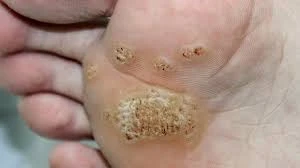
Plantar warts are a variant of warts that develop on the soles of the feet. They can cause discomfort and pain, particularly when walking. Here's how to identify plantar warts:
Appearance: Plantar warts are flat or slightly raised and have a rough, callus-like surface. They may appear as a single growth or in clusters.Color: They often have a gray or brown color and may have small, black dots in the center.Location: Plantar warts are typically found on the soles of the feet, especially in areas subjected to pressure, like the heels and balls of the feet.Flat Warts (Verruca Plana)
Flat warts are smaller and smoother compared to common warts. They tend to occur in larger numbers and are more common in children and teenagers. Here's what to look for:
Appearance: Flat warts are, as the name suggests, flat-topped and smooth. They are typically the size of a pinhead but can cluster together.Color: They often have a flesh-colored or pink appearance.Location: Flat warts can appear anywhere on the body but are most commonly found on the face, neck, and hands.Filiform Warts
Filiform warts have a distinct appearance that sets them apart from other warts. They often develop on the face, particularly near the eyes and mouth. Here's how to identify filiform warts:
Appearance: Filiform warts are long, slender, and finger-like in shape. They may have thread-like projections and can resemble skin-colored tags.Color: They typically match the surrounding skin color or are slightly lighter.Location: Filiform warts are frequently found on the face, neck, and around the mouth.Genital Warts
Genital warts are a sexually transmitted infection caused by specific strains of HPV. They can appear on or around the genital and anal areas. Identifying genital warts is crucial for seeking appropriate medical care:
Appearance: Genital warts vary in size and shape but often appear as raised, flesh-colored or pink growths. They can be smooth or have a cauliflower-like texture.Color: They usually have a flesh-colored, pink, or red appearance.Location: Genital warts are specific to the genital and anal regions, including the penis, scrotum, vulva, vagina, and anus.Periungual and Subungual Warts
Periungual warts develop around the nails, while subungual warts grow underneath the nails. These warts can be particularly painful and bothersome. Here's what they look like:
Appearance: Periungual warts typically appear as rough, irregular growths around the nails. Subungual warts, on the other hand, can distort the nail and may present as a brown or black discoloration beneath the nail.Color: Periungual warts are often flesh-colored, while subungual warts can cause dark discoloration of the nail.Location: Periungual warts develop around the nails, and subungual warts grow beneath the nails.The Importance of Accurate Identification
Recognizing warts by their appearance is crucial for several reasons:
Early Treatment: Identifying warts early allows for prompt treatment, which can help prevent their spread to other areas of the body or to other people.Appropriate Care: Different types of warts may require different treatment approaches. Knowing what you're dealing with helps you seek the most suitable treatment options.Prevention: Being able to recognize warts can help you take precautions to avoid spreading the virus to others, especially in the case of genital warts.Peace of Mind: Identifying a growth as a wart can provide peace of mind, as warts are generally benign and treatable.When to Seek Professional Help
While it's possible to identify many warts by their appearance, it's essential to consult a healthcare professional or dermatologist for a proper diagnosis and treatment plan. In some cases, what appears to be a wart may be a different skin condition that requires different management. Additionally, healthcare professionals can provide guidance on safe and effective wart removal techniques.
In Conclusion
Warts come in various forms, and recognizing them by their appearance is a valuable skill. This comprehensive guide should help you identify different types of warts, but always remember that seeking professional advice is essential for an accurate diagnosis and appropriate treatment. Early identification and treatment can help you manage warts effectively and minimize their impact on your life.



































Sign in to leave a comment.