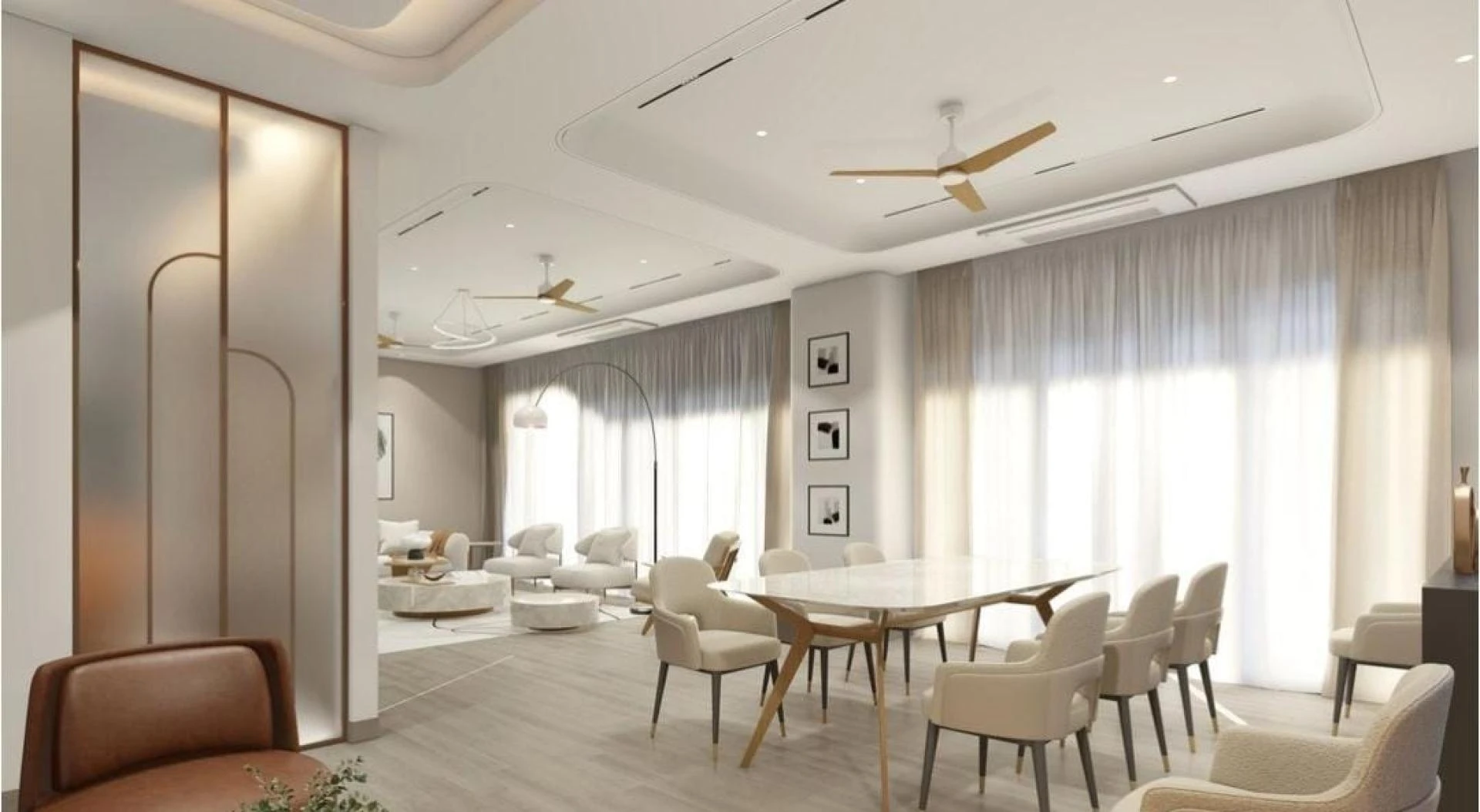

What if your home could gossip about you? Not in some salacious way, but in the quiet way of the old storytellers. The creak of the wooden floor reminds you of your rushed morning steps, the dining table reverberates with laughter, and the corner lamp weeps at how many times it’s been left on. Each object, each wall, each piece of furniture is a character in an unscripted play – yours.
In that sense, interior design isn’t about “filling a room.” It’s about assembling a cast of characters who will be with you, grow with you, and, occasionally, even upstage you.
The Unseen Script of Each Day of Life
Remember when you first walked into your favorite coffee shop? You didn’t just fall in love with the coffee, but you also fell in love with the way the light filtered in just right, the chairs that seemed as though they’d been waiting for you, and the shelves lined with books you’d never even read but which comforted you nonetheless. That was designed for secretly writing your experiences.
Spaces hold scripts, and designers are the playwrights. That living room, for example, may be sumptuously appointed for Sunday movie marathons, but it’s also the clandestine Monday boardroom for a start-up founder. A child’s bedroom is not just where toys reside; it is also where resilience is often forged after bedtime stories and pillow forts.
When made intelligently, spaces do anticipate these dynamical roles. And not just hold your life – but shape your life.
Rooms as Mirrors
Here is the strange thing: Your spaces often know you better than you know yourself.
Open-plan kitchens tend to be owned by people who enjoy community and chaos, who enjoy having friends lurking as they cook. (Gallery walls are a tried-and-true way to transform the most generic wall into a personal one.) White-walled minimalist bedrooms are for dreamers who need to impose clarity on the chaos of life. And those teetering bookshelves in the corner? They are less about reading and more about anchoring a sense of curiosity and identity.
The best interior designers in Gurgaon and across the world function much like translators. They take your unspoken eccentricities, your habits, and your contradictions and make them visible. A room becomes a mirror of not who you say you are, but who you are.
The Future is Whispering
But here’s where it becomes interesting: spaces are no longer static. They’re beginning to whisper about the future.
Smart homes are one layer of that – lights that dim themselves, thermostats that know how you feel, and kitchens that remind you to buy milk. But there’s something more fundamental going on: homes and offices are becoming living organisms. This back-to-nature movement extends to architecture, according to Arnoff, as he explains the adoption of biophilic design (incorporating natural elements), which may (or may not) be a fad. That’s how we (subliminally) future-proof spaces.
It’s not just, ‘Does this room look good?’
We’re asking, “Will this room make sense in ten years? Will it evolve with me? Will it be good to the planet?”
The Spaces That Will Not Speak Up
Think of offices. Once they were rigid, cubicle-filled, fluorescent-lit boxes, meant for productivity, if not imagination. Now they have become bustling ecosystems – lounges that double as brainstorming nurseries, cafés where chance encounters spawn new ventures, and even nap pods that promote sleep as much as work.
This isn’t a cosmetic change; this is cultural. Spaces are refusing to shut up. They want to be recognized as co-creators of how we live and work. A well-designed office is more than a place to house employees; it’s a habitat for energy and ideas and an inanimate embodiment of the ethos of the company it serves.
Why Storytelling Matters in Design
Each great building, each well-designed room, has a story. Old cathedrals have arches that murmur faith. the courtyards of traditional Indian homes breathe community. Even a small studio apartment in the middle of a city is telling the story of ambition, loneliness, and survival.
Design is just another way of telling a story – the invisible connecting thread. Without it, you have a beautiful space that feels a little bit empty. With that, you do get a living space.
And Here’s the Catch
Interior design, people think, is a matter of taste. But the truth? It’s about listening. The best ones don’t just pick colors and furniture; they listen to the stories you have lived, the ones you are living and the ones you dream about living. Then they design the spaces that allow those stories to unfold organically.
Which is why, if you want to find experts who speak that deeper language of spaces, it helps to look for the best interior designers in Gurgaon or wherever you are – and not for their catalogue of looks, but for their ability to come up with a narrative you can live in.
The Final Word
After all, your house is more than just walls and floors. It’s not just desks and chairs in your office there. These are living, breathing stages on which the drama of your life plays out – soft mornings, punishing deadlines, reunion kisses, and inner reflections.
And if you want those stages to really resonate with your story, it may be a good idea to pick designers who don’t just decorate but translate. Firms such as designICON Architects in Gurgaon have developed a reputation for doing just that – designing spaces not only meant to look stunning but also filled with meaning. For when your walls can talk, you really want them to be saying the right things.




















Sign in to leave a comment.