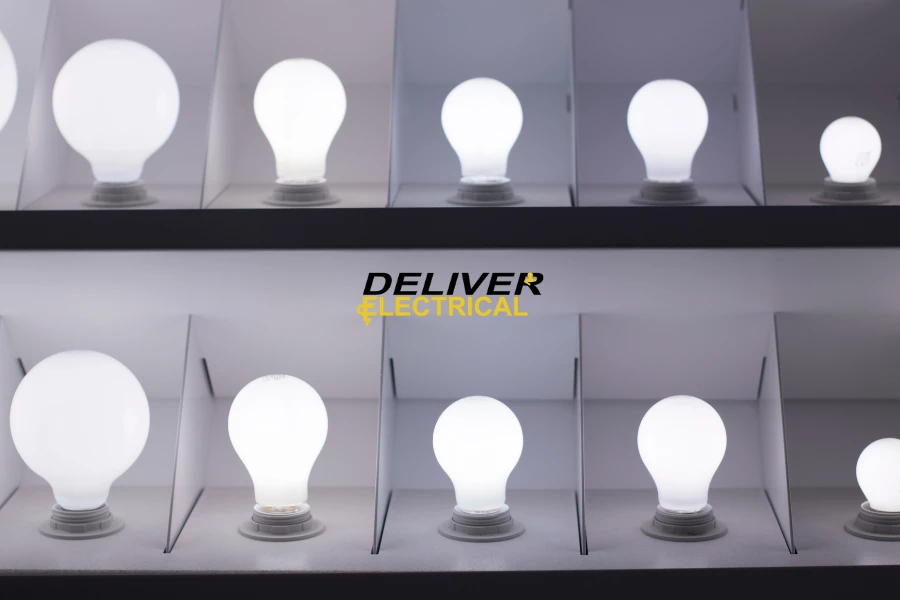

LED light bulbs have gained popularity in recent years due to their numerous benefits. One of the key advantages of LED bulbs is their energy efficiency. Compared to traditional incandescent bulbs, LED bulbs consume significantly less energy, resulting in lower electricity bills and reduced environmental impact.
Additionally, LED bulbs have a longer lifespan, lasting up to 25 times longer than incandescent bulbs. This longevity not only saves money on replacement costs but also reduces the amount of waste generated from discarded bulbs. Furthermore, LED bulbs emit very little heat, making them safer to use and reducing the risk of fire hazards.
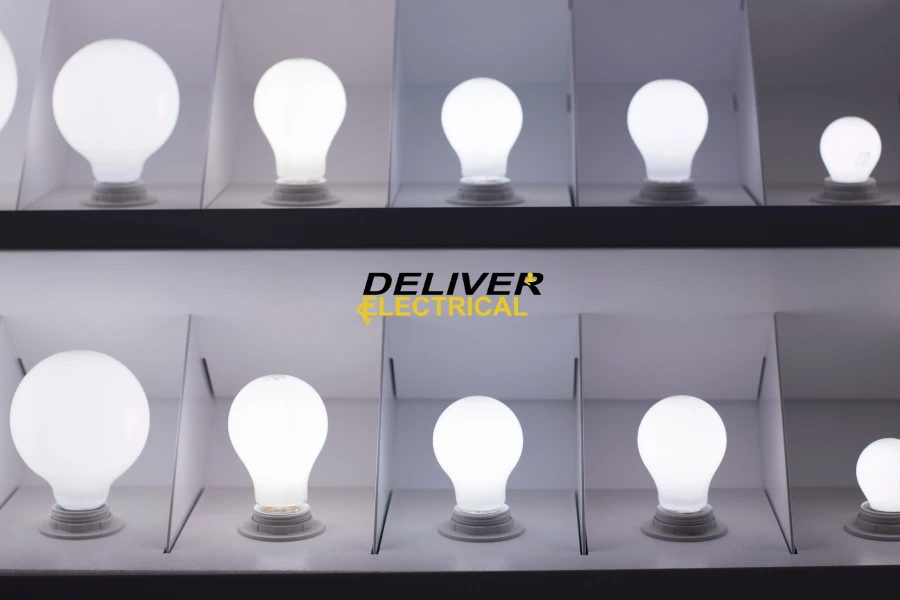
They also come in a variety of colours and can be dimmable, providing flexibility in creating different lighting atmospheres. With their instant brightness and ability to withstand frequent switching on and off without affecting their lifespan, LED bulbs are a practical and reliable lighting solution for any home.
Summary
- LED light bulbs are energy efficient and can help illuminate your home while reducing your electricity bills.
- Understanding the benefits of LED light bulbs, such as longer lifespan, lower heat emission, and environmental friendliness, can help you make an informed decision.
- When choosing LED bulbs for your home, consider factors such as brightness, colour temperature, and compatibility with dimmer switches.
- Installing LED light bulbs in your home is a simple process that can be done by following the manufacturer's instructions and ensuring proper fixtures and wiring.
- Maximise energy efficiency with LED lighting by using dimmer switches, timers, and motion sensors, and by choosing the right fixtures and placement for your bulbs.
Choosing the Right LED Bulbs for Your Home
Understanding Brightness and Colour Temperature
The brightness and colour temperature of LED bulbs are crucial factors to consider when making a selection. The colour temperature of LED bulbs can range from warm white to cool white, allowing you to create the desired ambiance in each space. For instance, warm white bulbs are ideal for living rooms and bedrooms, whilst cool white bulbs are better suited for kitchens and bathrooms.
Ensuring Compatibility with Existing Fixtures
It is also crucial to ensure that the LED bulbs you choose are compatible with your existing fixtures. Some LED bulbs are designed for specific types of fittings, such as screw-in or pin-based sockets, so it is important to check the compatibility before making a purchase. Furthermore, consider the dimmability of the LED bulbs if you plan to use them with dimmer switches.
Maximising Efficiency and Creating the Perfect Lighting Environment
By selecting the right LED bulbs for your home, you can maximize their efficiency and create the perfect lighting environment for every room. This not only enhances the aesthetic appeal of your home but also helps to reduce energy consumption and lower your electricity bills. With the right LED bulbs, you can enjoy a well-lit and comfortable living space that meets your unique needs and preferences.
How to Install LED Light Bulbs in Your Home
Installing LED light bulbs in your home is a straightforward process that can be easily accomplished by following a few simple steps. Firstly, ensure that the power to the existing light fixture is turned off before attempting to replace the bulb. Once the power is off, remove the old bulb by gently twisting it out of the socket and dispose of it properly.
Next, insert the new LED bulb into the socket and gently twist it until it is securely in place. It's important not to overtighten the bulb, as this can damage the fixture or the bulb itself. Once the new LED bulb is installed, turn the power back on and test the light to ensure it is functioning correctly.
With proper installation, LED light bulbs can instantly enhance the lighting quality in your home while reducing energy consumption.
Maximizing Energy Efficiency with LED Lighting
Metrics
Data
Energy Savings
Up to 80% compared to traditional lighting
Lifespan
Average of 25,000 hours
Efficiency
Converts 95% of energy into light
Maintenance Costs
Reduced due to longer lifespan
Environmental Impact
Reduced carbon emissions and waste
LED lighting offers numerous opportunities to maximise energy efficiency in your home. One effective way to achieve this is by using LED bulbs with smart lighting controls, such as dimmer switches and motion sensors. These controls allow you to adjust the brightness of the lights and automatically turn them off when not in use, reducing unnecessary energy consumption.
Another strategy for maximising energy efficiency with LED lighting is to strategically place fixtures and use task lighting where needed. By focusing light where it is required, you can minimise overall energy usage while still providing adequate illumination for specific tasks. Additionally, regularly cleaning and maintaining LED fixtures can ensure optimal performance and efficiency over time.
By implementing these energy-saving practices, you can not only reduce your electricity bills but also contribute to a more sustainable and environmentally friendly home.
Creating Ambiance with LED Light Bulbs
LED light bulbs offer versatile options for creating different atmospheres and moods within your home. With the ability to adjust brightness levels and colour temperatures, you can tailor the lighting in each room to suit various activities and occasions. For example, warm white LED bulbs can create a cosy and inviting atmosphere in living spaces, while cool white bulbs are ideal for task-oriented areas such as kitchens and home offices.
Furthermore, using dimmable LED bulbs allows you to control the intensity of the light, enabling you to create a relaxing ambiance for unwinding in the evening or a vibrant setting for entertaining guests. By strategically placing LED fixtures and using different combinations of bulbs, you can transform the look and feel of your home with dynamic and adaptable lighting solutions.
Tips for Maintaining and Caring for LED Light Bulbs
Maintenance and Handling
When handling LED bulbs, be careful not to drop or mishandle them, as they are more sensitive to physical damage compared to traditional incandescent bulbs. It is crucial to treat them with care to prevent any damage that may occur.
Troubleshooting Common Issues
If you encounter any issues with flickering or dimming lights, it is advisable to check the connections and fixtures for any loose wiring or faulty components. This simple check can help resolve the issue and prevent any further problems from arising.
Benefits of Proper Care
By taking proactive measures to care for your LED light bulbs, you can ensure that they continue to provide reliable and efficient lighting throughout your home. Regular maintenance can also help extend the lifespan of the bulbs, saving you money in the long run.
Conclusion
In conclusion, following these simple maintenance tips can make a significant difference in the performance and longevity of your LED light bulbs. By being mindful of how you handle and care for your LED bulbs, you can enjoy efficient and reliable lighting in your home for years to come.
The Future of Home Lighting: Advancements in LED Technology
As technology continues to advance, so does the potential for innovation in LED lighting. The future of home lighting is set to be shaped by advancements in LED technology that offer even greater energy efficiency, enhanced functionality, and improved design aesthetics. One area of development is the integration of smart lighting systems with LED technology, allowing homeowners to control their lighting remotely through smartphone apps or voice-activated assistants.
This level of connectivity not only provides convenience but also enables more precise control over energy usage and lighting preferences. Furthermore, ongoing research into materials and manufacturing processes is leading to the development of even more sustainable and eco-friendly LED bulbs. These advancements aim to reduce the environmental impact of production while maintaining high performance standards.
In conclusion, LED light bulbs offer a multitude of benefits for homeowners, from energy efficiency and longevity to versatile lighting options that can enhance any living space. By understanding how to choose, install, maintain, and maximise the potential of LED lighting, homeowners can create a more sustainable and aesthetically pleasing environment within their homes while embracing the future of home lighting technology.
FAQs
What are the benefits of LED light bulbs?
LED light bulbs are energy efficient, long lasting, and environmentally friendly. They use less energy than traditional incandescent bulbs, have a longer lifespan, and do not contain harmful substances such as mercury.
How do I choose the right LED bulbs for my home?
When choosing LED bulbs for your home, consider the brightness, color temperature, and size of the bulb. Look for bulbs that are Energy Star certified for maximum energy efficiency.
How do I install LED light bulbs in my home?
Installing LED light bulbs is simple and similar to installing traditional bulbs. Make sure to turn off the power to the fixture, remove the old bulb, and screw in the new LED bulb. Be careful not to overtighten the bulb.
How can I maximize energy efficiency with LED lighting?
To maximize energy efficiency with LED lighting, consider using dimmer switches, timers, and motion sensors. Additionally, make sure to turn off lights when they are not in use and take advantage of natural light whenever possible.
How can I create ambiance with LED light bulbs?
LED light bulbs come in a variety of colors and can be used to create different moods and ambiance in your home. Consider using warm white bulbs for a cozy atmosphere, or cool white bulbs for a more energizing feel.
What are some tips for maintaining and caring for LED light bulbs?
To maintain and care for LED light bulbs, make sure to clean them regularly with a soft, dry cloth. Avoid using harsh chemicals or abrasive materials, and be careful not to drop or mishandle the bulbs.
What are the advancements in LED technology for home lighting?
Advancements in LED technology for home lighting include improved efficiency, longer lifespan, and the development of smart lighting systems that can be controlled remotely. Additionally, there are ongoing efforts to make LED bulbs even more affordable and accessible to consumers.










Sign in to leave a comment.