
Let's be direct about something most marketing conversations avoid.
Most of what your brand spends on awareness is forgotten within forty-eight hours.
That's not cynicism — it's what the research consistently shows. Without meaningful reinforcement, human memory retains somewhere between 10% and 20% of what it passively observes. Which means the overwhelming majority of your investment in conventional brand communication is fighting biology.
Immersive brand experience creation is the discipline that works with that biology rather than against it.
Why Recall Is the Real Marketing Problem
The marketing funnel as it's typically drawn — awareness, consideration, intent, purchase — implies that awareness is the first step and everything else follows naturally. In practice, awareness without recall is almost worthless.
A potential customer might see your brand dozens of times across different channels. But if none of those touchpoints created a moment of genuine engagement — something that activated emotion, required a decision, or created a memory worth keeping — then that awareness sits in a very shallow part of their memory, easily displaced by the next brand that shows up in their feed.
Recall is what transforms awareness into a meaningful place in someone's mental map of your category. And recall is built through experience far more reliably than through exposure.
The Neuroscience Is Not Complicated
Memory formation has a few well-understood triggers:
- Emotional activation. Experiences that made us feel something are retained far more reliably than neutral information.
- Active participation. Doing something — making a choice, completing a task, physically interacting — encodes differently in memory than watching something.
- Novelty. Our brains are wired to pay attention to the unexpected, to things that don't fit the pattern of what we normally encounter.
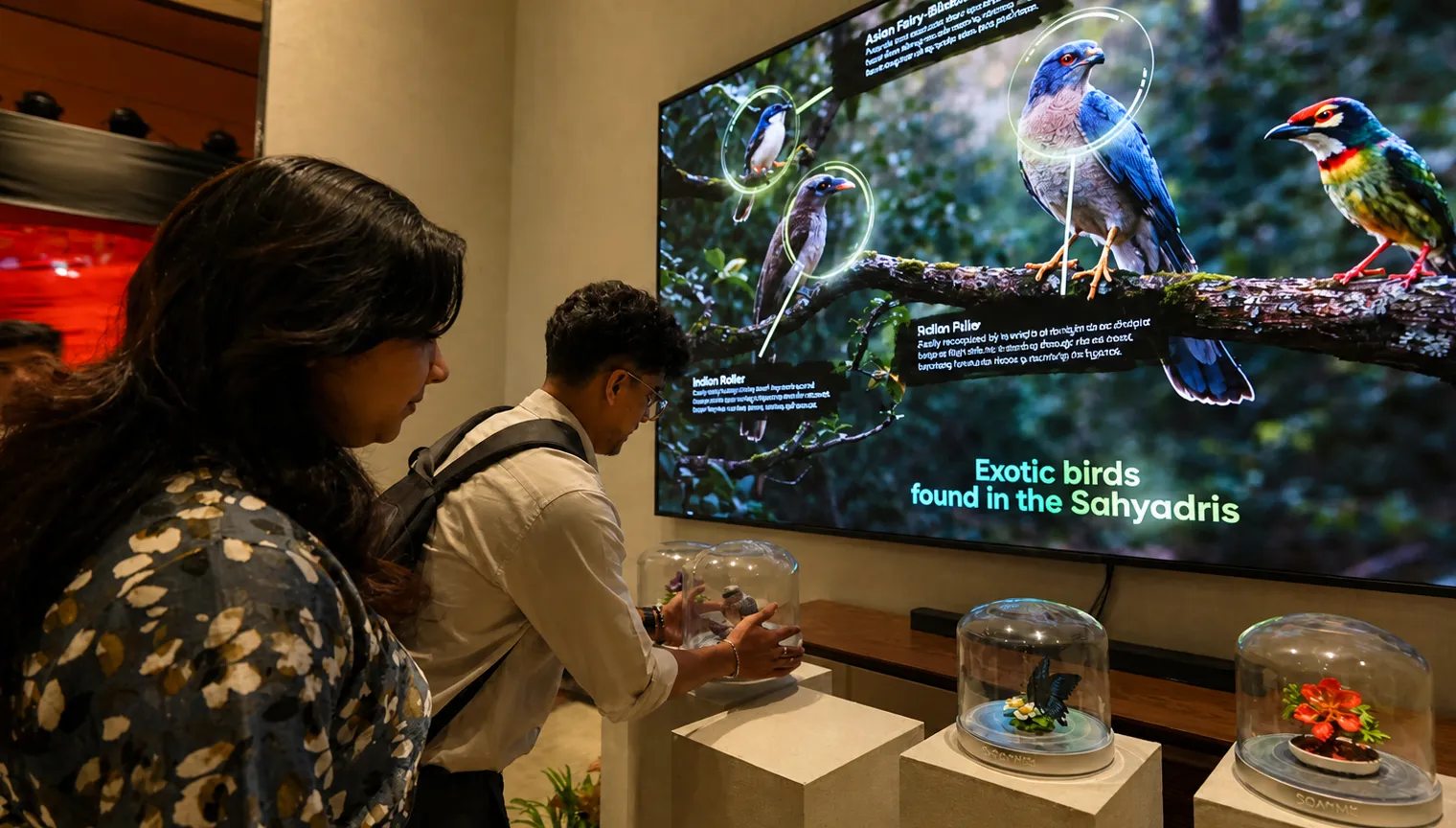
- Multisensory engagement. Experiences that engage multiple senses simultaneously create richer memory traces than those that engage only vision or hearing.
Well-designed immersive brand experiences hit all four of these triggers simultaneously. That's not a coincidence — it's why they reliably produce recall metrics that passive media simply can't match.

What B2B Brands Gain from Immersive Marketing
The recall argument is particularly powerful in B2B contexts, where the purchase decision often involves multiple stakeholders, an extended evaluation period, and a competitive landscape where product differentiation is increasingly difficult to maintain.
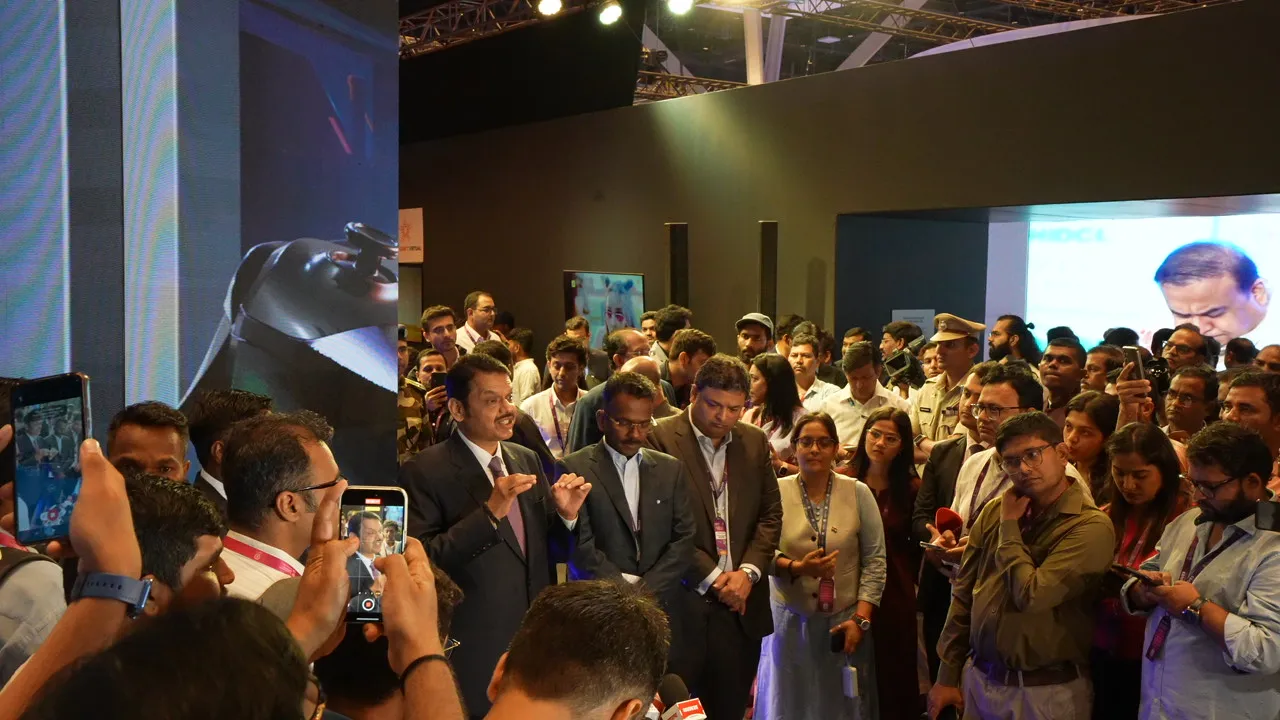
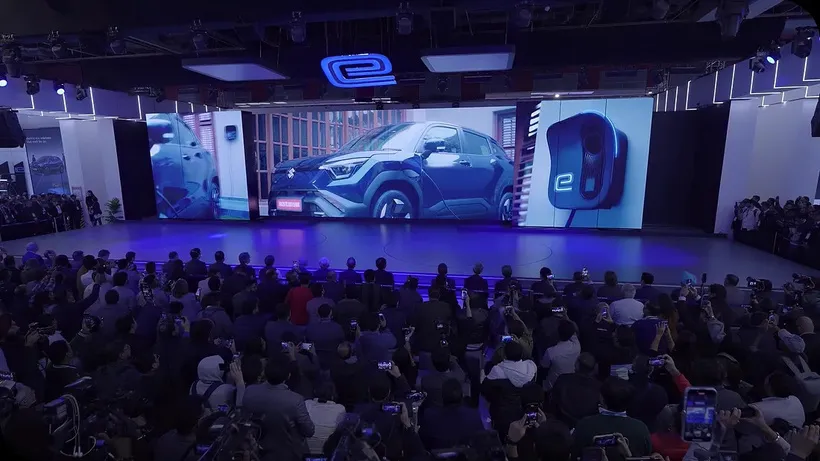
In this environment, being recalled accurately and favourably when the decision-making moment arrives is worth a tremendous amount. An immersive brand experience that a decision-maker participates in at an industry event, a trade show, or an experience center creates a specific, detailed memory of your brand — not just a vague sense of having encountered it.
That specificity matters when the buying committee convenes. The brand that gets described in detail ("their experience at the summit actually showed us how the workflow would function in our context") is the one that has a seat at the table. The ones that get described as "I think I've seen them before" are fighting for ground.
IIC Lab's work in B2B contexts specifically — across automotive, financial services, and industrial sectors — is worth exploring in their use cases section.
Building for Recall: What the Design Process Looks Like
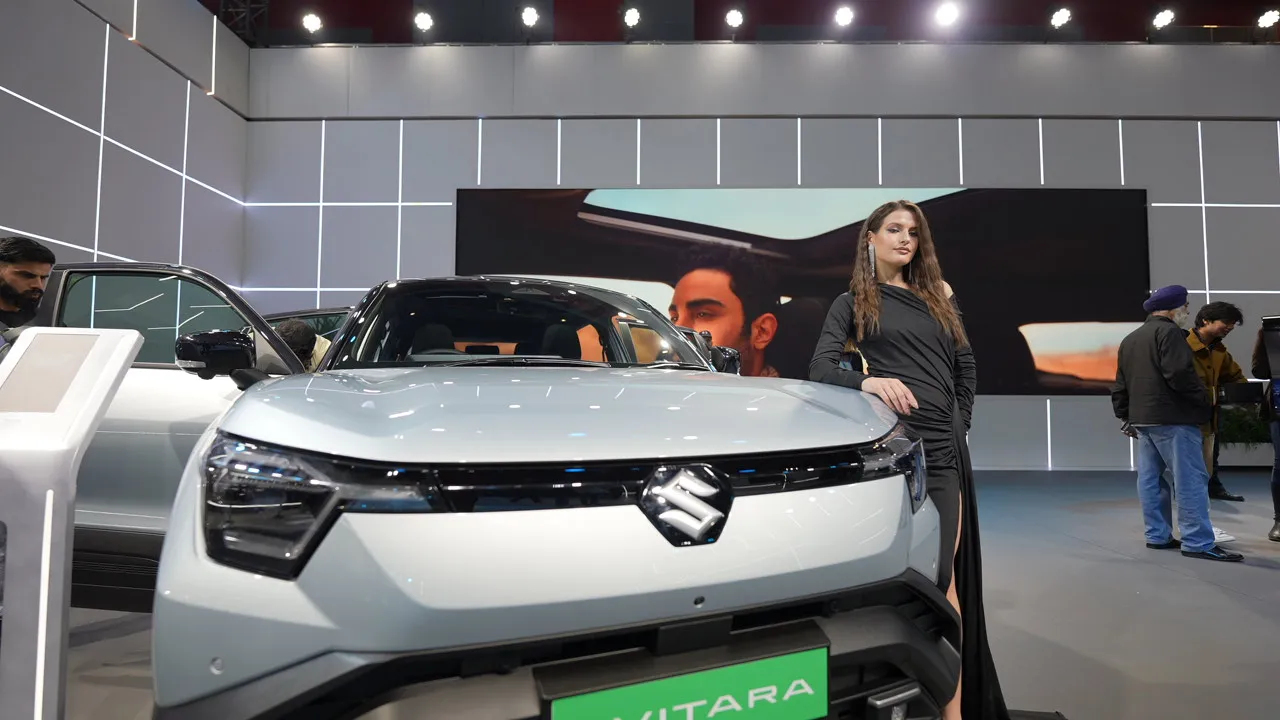
Designing an experience for maximum recall isn't the same as designing one for maximum impressiveness. Some of the most visually spectacular installations create relatively shallow memories because they're designed to be observed rather than experienced.
Designing for recall means:
Identifying the one thing the experience should be remembered for. Not ten things — one. The clearest immersive experiences have a core emotional idea that every interaction reinforces. Complexity at the concept level creates confusion at the memory level.
Creating moments of personal investment. The experience should require something from the visitor — a choice, a physical action, a response — that makes them a participant rather than a spectator. Participation deepens encoding.
Building in peak moments intentionally. The "peak-end rule" in psychology tells us that we disproportionately remember the highest emotional point of an experience and its ending. Design those moments deliberately, not as happy accidents.
Ensuring the experience reflects the brand promise authentically. Recall without the right brand association is useless. The experience needs to feel like it could only have come from your brand — not like a generic technology showcase with your logo on it.
The Brands Getting This Right
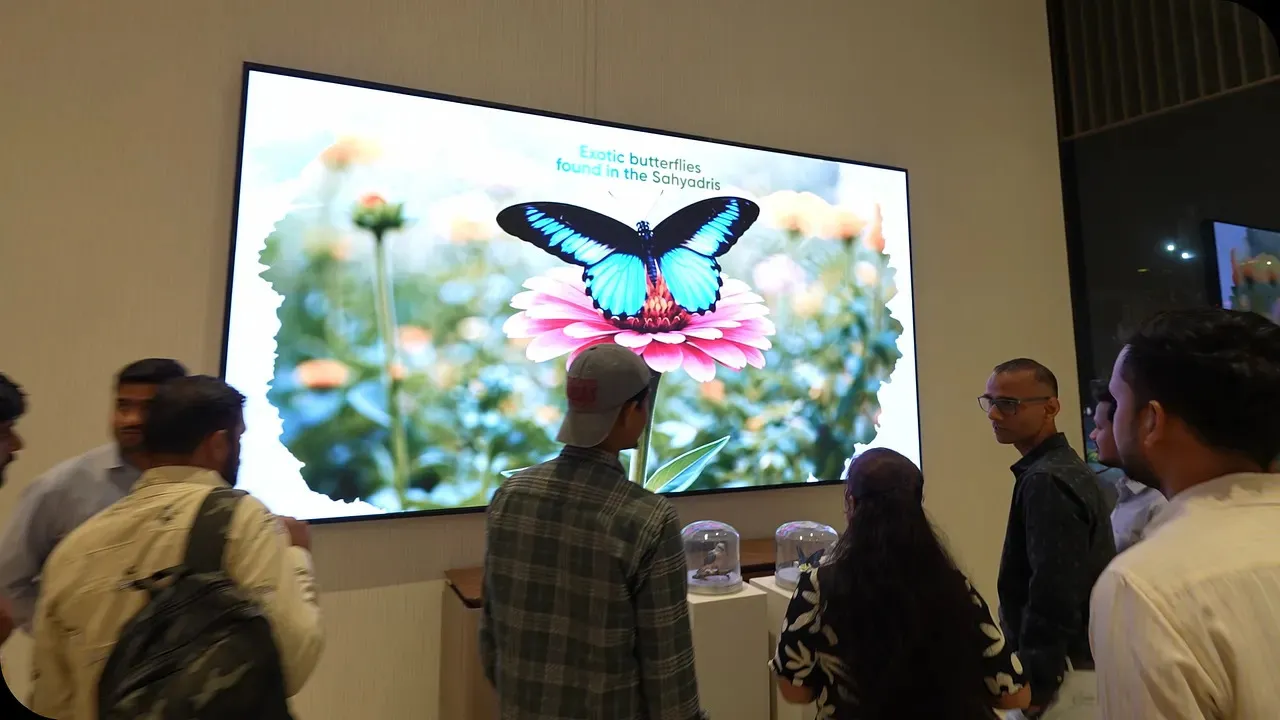
The brands consistently building strong recall metrics through immersive experiences share a few characteristics. They brief their experience partners with audience insight, not just brand guidelines. They measure outputs beyond footfall — they track conversation, social sharing, and post-event survey recall. And they treat experiential as a serious media investment with expected returns, not a creative experiment with an unclear commercial purpose.
The results, when the work is done well, tend to be significant. Event marketing data consistently shows that experiential campaigns generate higher brand recall than any other single marketing channel — with some studies showing recall rates above 85% for experiential compared to under 20% for standard digital advertising.
If you're making the case internally for investing in immersive brand experience creation, those numbers are worth having in the conversation.

Let's Build Something That Sticks
IIC Lab's focus is specifically on experiences that leave a mark — on the brands they build for and on the audiences those brands are trying to reach. Every project starts with the recall question: what should this person remember, feel, and do as a result of this experience?
If that's the question your next campaign should be built around, start the conversation with IIC Lab here.

























Sign in to leave a comment.