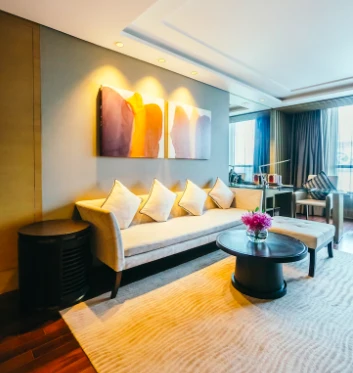

Lighting plays a crucial role in interior design, going beyond mere functionality to become an essential element in creating captivating and harmonious spaces. The right lighting choices can transform a room, enhancing its aesthetics, setting the mood, and highlighting key design features. From natural to artificial lighting, each type offers unique qualities that can be harnessed to create an inviting and visually pleasing environment. In this blog, we will explore the significant impact of selecting the right interior LED fixtures on design, delving into various aspects such as ambience, functionality, focal points, and energy efficiency.
Setting the Ambiance
One of the primary roles of lighting in interior design is to set the desired ambience or mood of a space. Different lighting techniques can evoke specific emotions and create various atmospheres. Soft, warm lighting, such as that emitted by dimmed pendant lights or table lamps, can infuse a sense of cosiness and intimacy, ideal for relaxation areas. In contrast, bright, cool lighting provided by indoor recessed lighting or track lighting can energize and invigorate spaces like work areas. By carefully selecting the intensity, colour temperature, and positioning of light sources, designers can craft the desired ambience that complements the purpose of the room and the desired user experience.
Accentuating Architectural Features
With the right type of lighting design, it is easy to draw attention to the architectural features and focal points of a space. Whether it's an elegant fireplace, an art display, or an architectural element like an exposed brick wall, strategically placed lighting fixtures can create a spotlight effect, directing the viewer's gaze to the desired focal point. Track lighting, wall washers, or picture lights are popular choices to highlight these elements effectively.
Functional Illumination
Apart from creating ambience and visual interest, lighting serves a functional purpose in interior design. Adequate task lighting is crucial for performing specific activities such as reading, cooking, or working. Properly placed desk lamps, under-cabinet lighting in kitchens, or adjustable spotlights in work areas ensure that tasks can be performed efficiently and comfortably. Additionally, general lighting, such as overhead fixtures or recessed lights, provides overall illumination to navigate and move around a space safely. Proper lighting design takes into consideration the specific functional requirements of each area and provides appropriate commercial lighting solutions to enhance usability and convenience.
Energy Efficiency and Sustainability
In today's environmentally conscious world, energy efficiency and sustainability are paramount considerations in interior design. Choosing energy-efficient lighting solutions not only reduces carbon footprint but also leads to significant cost savings in the long run. LED lighting is a prime example of sustainable lighting technology, offering exceptional energy efficiency, longevity, and reduced maintenance requirements. LED bulbs consume significantly less energy than traditional incandescent or fluorescent bulbs and can last up to 25 times longer, reducing the frequency of replacements. Moreover, advancements in smart lighting systems allow for even greater energy savings by incorporating features such as motion sensors, daylight harvesting, and automated controls. By embracing energy-efficient lighting practices, interior designers can contribute to a greener future while creating visually stunning and sustainable spaces.
Conclusion
The impact of lighting on interior design cannot be overstated. The right lighting choices can transform a space, enhancing its ambience, functionality, and visual appeal. With the vast array of lighting options available today, the possibilities for creative and impactful lighting design are endless, promising to elevate interior spaces to new heights of beauty and functionality.










Sign in to leave a comment.