
Septic systems are vital to waste management in homes not connected to municipal sewers. However, what goes down the drain can make or break their efficiency. One common kitchen byproduct, coffee grounds, often finds its way into sinks or garbage disposals. While they seem harmless, coffee grounds can be highly problematic for septic systems. Understanding their impact is key to preventing costly repairs and environmental hazards.
What Are Coffee Grounds?
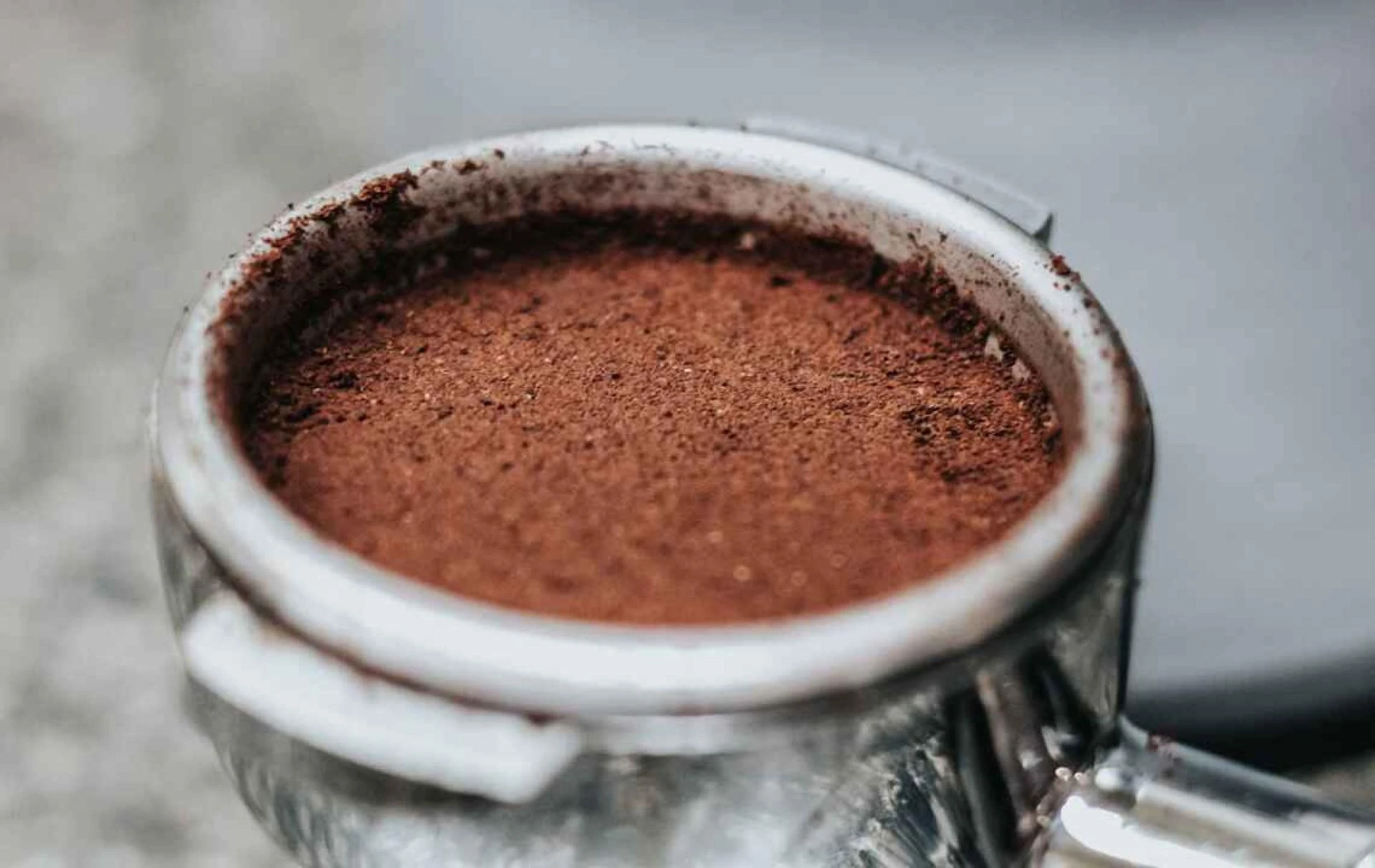
Coffee grounds are the residual particles left over after coffee is brewed, and while they appear soft and harmless, they are anything but friendly to plumbing and septic systems. Their gritty, fibrous composition makes them slow to decompose, and they often clump together into dense masses that resist water flow. Unlike substances that readily dissolve, coffee grounds can settle and harden in pipes, traps, or septic tanks.
When it comes to coffee grounds and septic systems, these grounds do not dissolve like toilet paper or food remnants. Instead, they sink and build up at the bottom of the tank, increasing the volume of solid waste. This results in a need for more frequent pumping and raises the risk of the system backing up or clogging. What starts as a minor habit can eventually require a full septic overhaul or expensive repairs to clear blockages or restore drain field function.
How Septic Systems Work?
A traditional septic system is a two-part setup consisting of a septic tank and a drain field. Wastewater from household plumbing flows into the tank, where solid materials settle to the bottom, oils and fats rise to the top, and the remaining liquid is funneled into the drain field. The drain field acts as a natural filter, allowing treated water to percolate into the soil safely.
For the system to operate efficiently, beneficial bacteria in the tank are essential. These microbes digest organic matter, reducing the volume of solid waste and helping prevent system overload. When materials like coffee grounds that resist decomposition enter the tank, they interfere with this biological process. As a result, waste builds up more quickly, and the system can become overwhelmed, leading to environmental contamination or household plumbing issues.
Problem with Coffee Grounds
1: Slow Decomposition
Coffee grounds are naturally fibrous and take a long time to break down, even in compost. When they enter a septic tank, they remain intact far longer than the system can handle, contributing to a faster accumulation of sludge at the bottom of the tank. Over time, this thick layer of undigested material reduces the tank's ability to manage household waste efficiently.
As sludge levels rise, so does the frequency of pumping, increasing both maintenance costs and system stress. If left unchecked, the accumulation can overflow into the drain field or back into the home’s plumbing. Homeowners may then face foul odors, standing water, or even complete system failure. This highlights the need for a proactive approach to coffee ground disposal, especially in homes that rely on septic systems.
2: Clogging Risks
The coarse texture of coffee grounds makes them particularly dangerous for plumbing systems. When mixed with fats, oils, or grease, they can form sticky masses that obstruct pipe flow. These blockages are often hidden deep within the plumbing and are difficult to detect until significant symptoms like slow drains or backups occur.
In septic tanks, these clumps can float within the tank or settle in corners, impeding the movement of waste. If they pass into the pipes leading to the drain field, they can clog the soil absorption area. A blocked drain field is expensive to repair and often requires replacing large portions of the system. It’s far more cost-effective to prevent such issues by keeping coffee grounds out of the drain entirely.
3: Drain Field Damage
Drain fields play a vital role in final wastewater treatment, filtering and absorbing liquid from the tank. If solids like coffee grounds reach the drain field, they can block the pores in the soil, stopping water from percolating and causing water to pool on the surface. This creates soggy, unusable areas in your yard and may emit strong odors.
More importantly, a compromised drain field no longer protects local groundwater from contamination. Harmful bacteria, chemicals, and organic pollutants could enter nearby water sources. Fixing a damaged drain field is costly and disruptive, often requiring excavation and total replacement. Preventing this by being cautious about what enters your septic system is far more sustainable and affordable.
4: Impact on Bacteria
Healthy bacteria inside a septic tank are responsible for breaking down solid waste and keeping the system functional. Coffee grounds are acidic and can alter the tank’s pH, making the environment less hospitable for these beneficial microbes. With fewer bacteria, the system cannot break down waste efficiently, leading to faster solid buildup and potential system failure.
The problem compounds over time, particularly in systems that are not pumped regularly or that experience high usage. What may seem like a small change in tank chemistry can throw off the entire waste breakdown process. Homeowners must protect the bacterial balance by avoiding chemical cleaners, antibiotics, and yes—coffee grounds—down the drain.
Myths About Coffee Grounds
Many believe that coffee grounds are good for septic systems or even help "clean" the pipes due to their gritty texture. This is a dangerous myth. The abrasive nature of grounds doesn’t scrub or scour pipes—instead, it causes sediment to build up and harden, leading to clogs that require professional removal.
Another common misconception is that because coffee grounds are biodegradable, they pose no risk to plumbing or septic systems. While technically biodegradable, they decompose far too slowly to be processed effectively within the septic tank. Their contribution to sludge buildup outweighs any small benefit they might offer when disposed of this way.
Safer Alternatives
1: Composting
The best alternative to draining coffee grounds is composting. Rich in nitrogen, coffee grounds make excellent additions to backyard compost bins, providing essential nutrients for soil health. When mixed with yard waste and food scraps, they break down efficiently and support sustainable gardening practices.
Composting not only diverts waste from the septic system but also reduces landfill usage. With a simple bin or pile, homeowners can turn their daily coffee habit into a useful, eco-friendly resource. Even small efforts like this make a big difference over time.
2: Other Uses
Beyond composting, coffee grounds can be reused in a variety of ways. They can serve as a natural deodorizer for refrigerators, scrub for pots and pans, or even a garden pest deterrent. These creative uses keep them out of the plumbing and offer secondary benefits to homeowners.
Some people even use dried coffee grounds for crafting or dyeing fabrics. These ideas demonstrate that coffee waste doesn't need to go down the sink. With a little imagination, used grounds can find a new purpose that doesn’t jeopardize your septic system.
Warning Signs of Trouble
Homeowners should watch for early warning signs of septic problems, especially if they regularly dispose of coffee grounds down the sink. These signs include slow-draining sinks or tubs, gurgling noises in the plumbing, and foul odors near drains or in the yard. These symptoms suggest that blockages or imbalances may already be forming.
Ignoring these signs can lead to more severe problems, including sewage backups, drain field flooding, or total system collapse. If these issues appear, it’s essential to stop using water-intensive appliances and contact a professional immediately. Early intervention can save thousands in repair costs.
Environmental Impact
Septic system failure doesn't just affect homeowners—it poses serious environmental risks. Waste that leaks from the system can contaminate local groundwater, streams, and lakes, introducing bacteria and harmful chemicals into the ecosystem. Wildlife and plant life may suffer, and community water supplies can be jeopardized.
By keeping coffee grounds out of your septic system, you reduce the chances of environmental contamination. Responsible disposal protects not only your home but also your neighborhood, making it a shared responsibility to preserve local water quality and ecological health.
Educating Households
Education is the first step toward prevention. All household members should understand the importance of proper septic care and what can and cannot go down the drain. Clear communication and visual reminders near sinks can help reinforce good habits.
Parents should also teach children about plumbing and septic system basics. In shared households, it’s important to ensure guests and family members are aware of what to avoid flushing or draining. A little education can prevent costly mistakes and keep the system running smoothly.
Maintenance and Pumping
Even the most careful homeowners need to ensure proper care in maintaining your septic system. Regular inspections and pumping every 3–5 years help remove accumulated sludge and prevent system overload. If coffee grounds have entered the system, more frequent service may be necessary.
A professional technician can measure sludge levels and recommend a schedule that fits your household's usage patterns. Keeping up with these appointments ensures your septic system continues working efficiently and can extend its lifespan by many years.
When to Call a Professional?
If your system shows signs of trouble, or if you suspect that coffee grounds or other harmful materials have entered it, don’t hesitate to contact a professional. Delaying could result in costly damages and unsanitary conditions around your home.
Licensed septic technicians can inspect the tank, identify blockages, and advise on next steps. They can also educate homeowners on better waste disposal methods to prevent future issues. Prompt service can mean the difference between a simple pump and a full system replacement.
WM Plumbing Services
WM Plumbing Services offers reliable, expert-level care for septic systems of all sizes. Their technicians understand how materials like coffee grounds affect system performance and provide both immediate solutions and long-term guidance. Whether you need inspection, pumping, or emergency repairs, WM Plumbing can help.
They also offer educational resources to help homeowners build better habits around septic system care. With their support, you can confidently manage your plumbing system and avoid the common pitfalls that damage septic health.
For more information or to schedule a service, you can reach them via the following:
Email: [email protected]
Website: https://wmplumbinginc.com/
Concluding Statement
Coffee grounds may seem insignificant, but they pose real dangers to septic systems. From clogging pipes and harming beneficial bacteria to damaging drain fields and increasing maintenance costs, their impact is far-reaching. Being aware of these risks is the first step toward protecting your home.
With simple changes like composting or reusing grounds, you can prevent unnecessary damage and protect your septic investment. Regular maintenance, early detection, and guidance from professionals like WM Plumbing Services ensure your system stays healthy for years to come.
































Sign in to leave a comment.