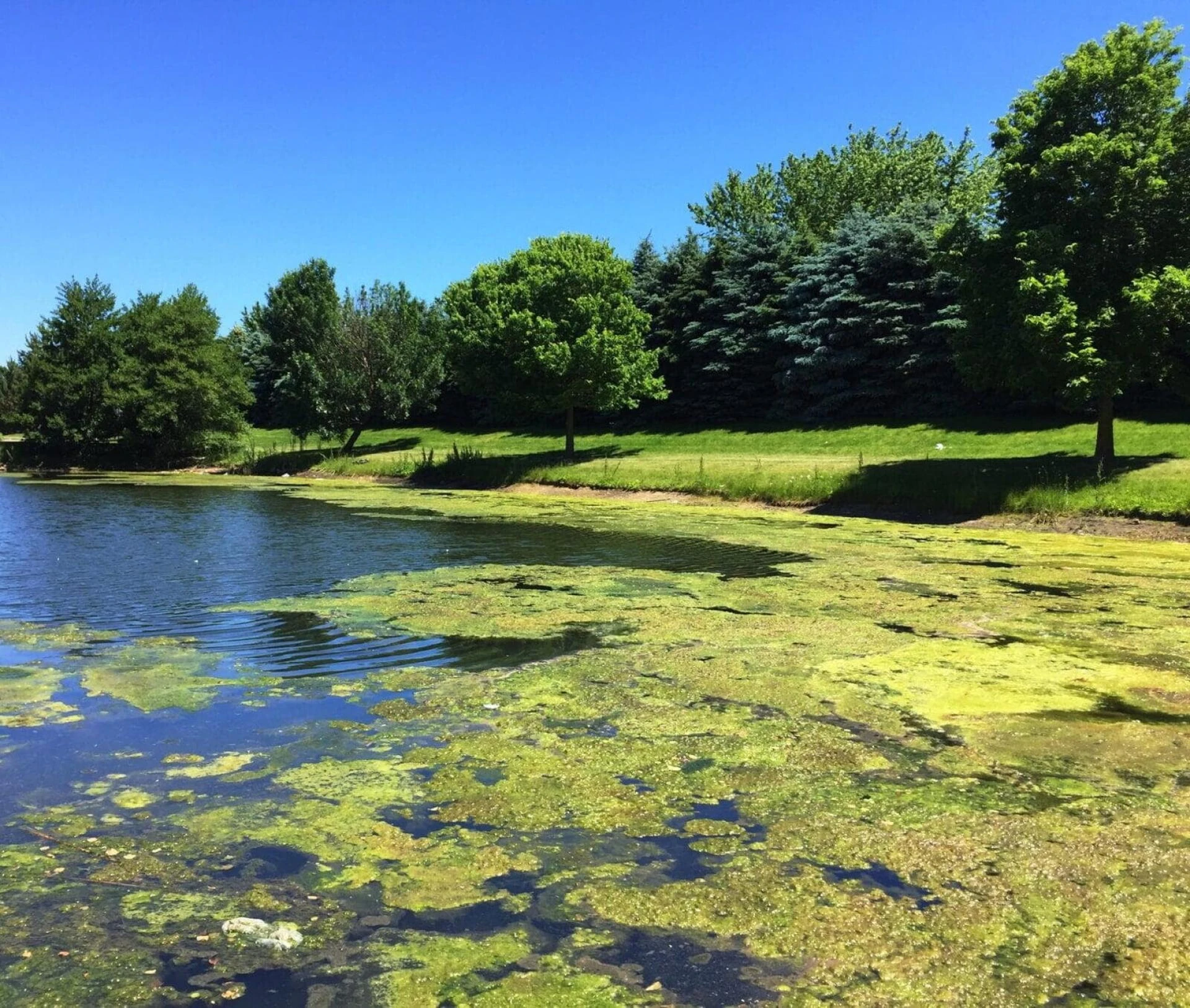

Algae control is essential in fish farming to maintain a healthy environment for fish farming. Uncontrolled algae growth can lead to various problems, affecting fish and the water quality. This guide will explore practical strategies for effective algae elimination. We will discuss mechanical removal, chemical treatments, biological control, and preventive measures. This comprehensive approach will provide insights into algae elimination and algae control for farmers.
Understanding Algae in Fish Farming
Algae are simple, plant-like organisms that thrive in aquatic environments. They can be microscopic, like phytoplankton, or larger, like seaweeds. The most common types in fish farming (pisciculture) include green algae, blue-green algae (cyanobacteria), and filamentous algae.
Algae can negatively impact fish farming by depleting oxygen levels in the water, blocking sunlight, and producing toxins. This can lead to fish stress, reduced growth rates, and even fish kills. Managing algae effectively is crucial for a successful fish farming operation.
Causes of Algae Growth
- Nutrient Overload
Excess nutrients, particularly nitrogen and phosphorus, are primary contributors to algae growth. These nutrients often come from fish feed, fish waste, and runoff from surrounding land. When nutrient levels are too high, algae populations can explode, leading to blooms.
- Environmental Factors
Algae thrive in warm, sunny conditions. High water temperatures and ample sunlight can accelerate algae growth. Other factors, such as stagnant water and high carbon dioxide levels, also contribute to algae proliferation.
Algae Elimination Strategies
1. Mechanical Removal
Methods
Mechanical removal involves physically removing algae from the water. Skimming and dredging are common techniques. Skimmers collect floating algae from the surface, while dredges remove algae from the bottom of ponds or tanks.
Pros and Cons
Mechanical removal is immediate and straightforward. It does not introduce chemicals into the water, making it environmentally friendly. However, it can be labour-intensive and may not be effective for large-scale operations. Additionally, it only addresses the symptoms, not the root cause of algae growth.
2. Chemical Treatments
Types of Chemicals
Various chemicals can control algae, including copper sulfate, hydrogen peroxide, and algaecides. These chemicals can be effective when used correctly and safely.
Application Guidelines
When applying chemicals, follow the manufacturer's instructions carefully. Use the correct dosage to avoid harming fish and other aquatic life. Apply treatments during the early stages of algae growth for maximum effectiveness. Always monitor water quality before and after treatment to ensure safety.
3. Biological Control
Introduction of Algae-Eating Species
Certain fish and microorganisms can help control algae naturally. Species like grass carp, tilapia, and certain snails feed on algae, reducing its presence in the water. Additionally, microorganisms like bacteria can break down organic matter, limiting nutrients available for algae growth.
Benefits
Biological control is sustainable and environmentally friendly. It reduces the need for chemicals and can provide long-term algae management. Introducing algae-eating species can also enhance biodiversity in the pond or tank.
4. Preventive Measures
- Nutrient Management
Managing nutrients is crucial to preventing algae growth. Ensure balanced feeding practices to minimise excess nutrients. Avoid overfeeding and remove uneaten feed promptly. Proper waste management, including regular removal of fish waste and organic debris, is essential.
- Regular Monitoring
Regularly monitor water quality to detect early signs of algae growth. Check parameters such as nutrient levels, pH, temperature, and oxygen levels. Early intervention can prevent algae from becoming a major problem. Keeping detailed records of water quality can help identify trends and make informed management decisions.
- Implementing Integrated Algae Management
To achieve long-term success in algae control, it’s crucial to adopt an integrated approach. Combining different strategies will address both immediate issues and underlying causes, ensuring a balanced and sustainable pisciculture environment while algae control for farmers.
- Integrated Approach
Start with regular monitoring to understand the specific needs and conditions of your fish farm. Mechanical removal should be used as an immediate response to visible algae. Implement biological control methods to maintain long-term balance and reduce reliance on chemicals. Use chemical treatments sparingly and only when necessary, following all safety guidelines.
- Community Involvement
Encouraging community involvement and knowledge-sharing can also be beneficial. Farmers can learn from each other's experiences and adopt best practices for algae control. Workshops, forums, and cooperative efforts can enhance the overall effectiveness of algae management strategies.
- Research and Development
Staying updated with the latest research and technological advancements in algae control is also important. New methods and products are continually being developed to improve efficiency and sustainability. Participating in research initiatives or collaborating with academic institutions can provide valuable insights and access to cutting-edge solutions.
- Environmental Considerations
Consider the environmental impact of each strategy. Mechanical and biological methods are generally more eco-friendly, while chemical treatments should be used responsibly to avoid harming non-target organisms and aquatic ecosystems. Sustainable practices not only protect the environment but also contribute to the long-term success of fish farming (pisciculture) operations.
Conclusion
Effective algae control for the farmers in fish farming involves a combination of strategies. Mechanical removal provides immediate relief, while chemical treatments offer targeted control. Biological methods introduce natural algae predators, and preventive measures address the root causes of algae growth. By implementing these strategies, farmers can maintain a healthy and productive fish farming environment.
Farmers should integrate these strategies for algae elimination and algae control. Regular monitoring and proactive management are key to ensuring the success of these methods. By staying vigilant and responsive, farmers can create an optimal environment for their fish and achieve sustainable, algae-free fish farming operations. Exploring the latest advancements and involving the community can further enhance the effectiveness of these strategies, ensuring a thriving and resilient fish farming (pisciculture) industry.



























Sign in to leave a comment.