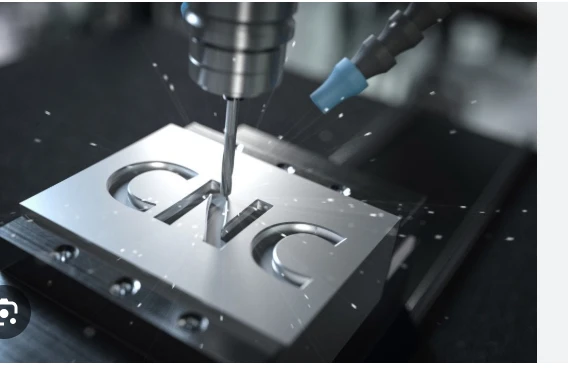
Overview of CNC Milling Machines
The cnc milling machine has transformed the manufacturing landscape by enabling high-precision and efficient production. It integrates computer numerical control with traditional milling processes to produce complex parts for various industries. This technology has become essential in automotive, aerospace, medical, and electronics manufacturing.
How CNC Milling Machines Work
A cnc milling machine operates by interpreting digital designs created in CAD software. The machine follows programmed instructions, guiding the spindle and cutting tools to remove material accurately. This process ensures precision, repeatability, and minimizes human error. Operators can work with metals, plastics, and composite materials depending on the application.
Types of CNC Milling Machines
Vertical Milling Machines
Vertical machines feature a spindle that moves up and down, making them suitable for flat surfaces, drilling, and contouring. Their design allows easy setup and efficient handling of medium-sized components.
Horizontal Milling Machines
Horizontal milling machines have spindles that move horizontally. They are ideal for cutting grooves, slots, and producing large or heavy components. Their robust design allows high-speed material removal.
Multi-Axis Milling Machines
Multi-axis machines can move in four or five directions simultaneously. This capability allows complex shapes and precise components to be manufactured in a single setup, reducing the need for multiple operations.
Advantages of CNC Milling Machines
High Accuracy and Precision
Cnc milling machines provide exceptional precision, meeting tight tolerances required in critical components. This is particularly important in aerospace and medical applications.
Consistent Production Quality
Automation allows consistent production of identical parts, reducing defects and improving overall quality. Manufacturers can maintain stringent standards across large production batches.
Reduced Labor Costs
Automated operations minimize manual intervention, saving labor costs while increasing efficiency. The machine handles repetitive tasks reliably and accurately.
Capability to Handle Complex Designs
Cnc milling machines can produce intricate geometries that are difficult to achieve manually. Engineers can design complex parts without worrying about manufacturing limitations.
Applications Across Industries
Automotive Industry
Cnc milling machines produce engine components, gear systems, and structural parts with high accuracy. Consistency ensures performance and longevity in vehicles.
Aerospace Industry
Aircraft parts like turbine blades, brackets, and landing gear components demand high precision. CNC milling machine meet these requirements efficiently.
Medical Devices
Surgical instruments, prosthetics, and implants rely on cnc milling machines for their intricate designs and strict tolerances.
Electronics Manufacturing
Enclosures, heat sinks, and precision mounting components are fabricated using cnc milling machines to ensure accurate fit and function.
Key Considerations When Choosing a CNC Milling Machine
Machine Specifications
Consider spindle speed, axis configuration, and work envelope size. Choosing the right specifications ensures the machine meets production needs.
Software Compatibility
Integration with CAD/CAM software is essential for translating designs into accurate machining instructions. Efficient software reduces errors and improves workflow.
Maintenance and Support
Reliable service and regular maintenance are critical for optimal machine performance. Proper care extends the life of the machine and maintains accuracy.
Emerging Trends in CNC Milling
Robotic Integration
Combining robots with cnc milling machines enhances material handling, increases safety, and reduces manual intervention, improving efficiency.
Multi-Material Capabilities
Advanced machines can work with multiple materials in a single setup, saving time and allowing flexibility in production.
Digital Twin Technology
Simulating processes digitally helps identify errors before production begins, optimizing efficiency and reducing material waste.
Sustainable Manufacturing
Modern machines are energy-efficient and designed to reduce waste, supporting environmentally responsible production practices.
Challenges in CNC Milling
High Initial Costs
Investing in cnc milling machines requires significant capital. However, long-term benefits in efficiency, precision, and reduced labor justify the expense.
Skilled Workforce Requirement
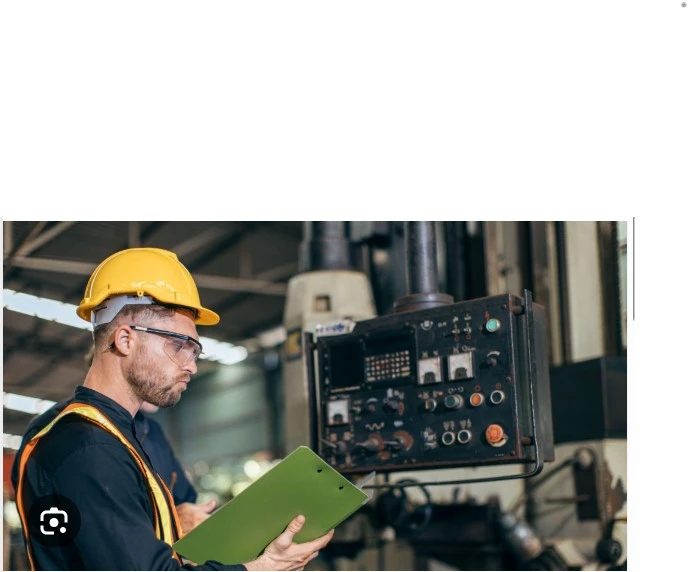
Operating these machines requires trained personnel for programming, operation, and maintenance. Skilled operators are essential for maximizing the benefits of the technology.
Programming Complexity
Creating intricate parts demands advanced programming and planning, which can be challenging without proper experience and training.
Conclusion
Cnc milling machines are critical to modern manufacturing, providing precision, efficiency, and consistency. Their versatility across multiple industries—from automotive to medical devices—makes them indispensable. Technological advancements such as multi-axis machining, robotic integration, and digital simulations continue to expand the capabilities and applications of cnc milling machines. Investing in these machines allows manufacturers to produce high-quality, complex components efficiently and reliably.





























Sign in to leave a comment.