Introduction
Controlling unwanted noise is part of modern living. Noise pollution disrupts everyday activities, affects health, and reduces productivity. Therefore, it is vital that sound monitoring is carried out accurately. A sound level meter allows individuals and organisations to maintain an appropriate sound environment. Accurate measurements help ensure compliance with regulations, safeguard people, and control unwanted noise effectively.
1. Understanding Sound Level Meters
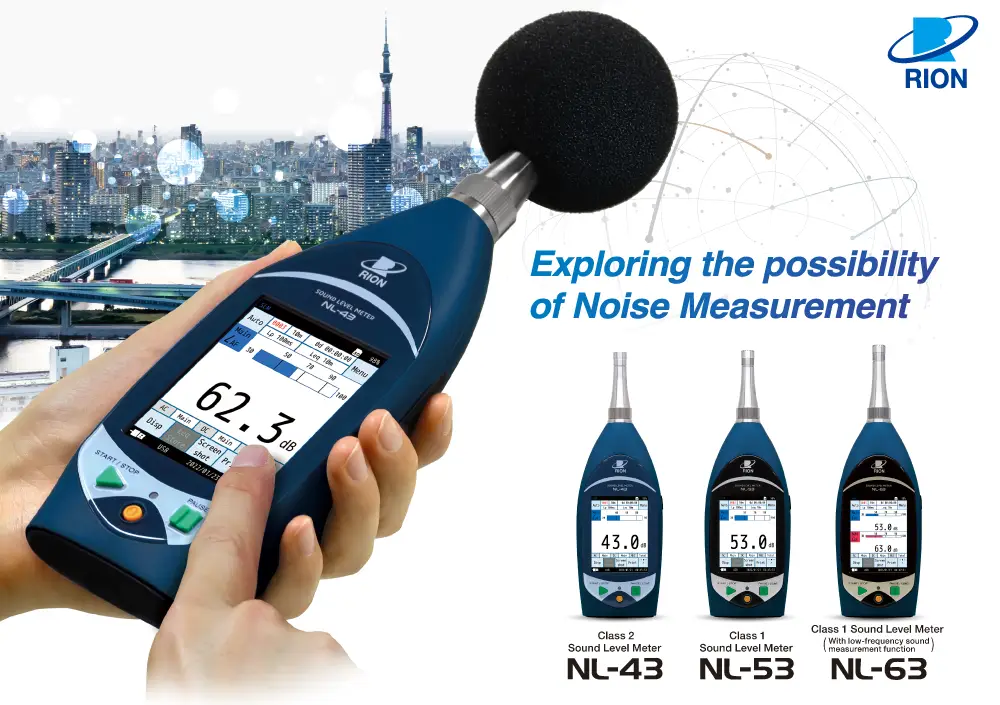
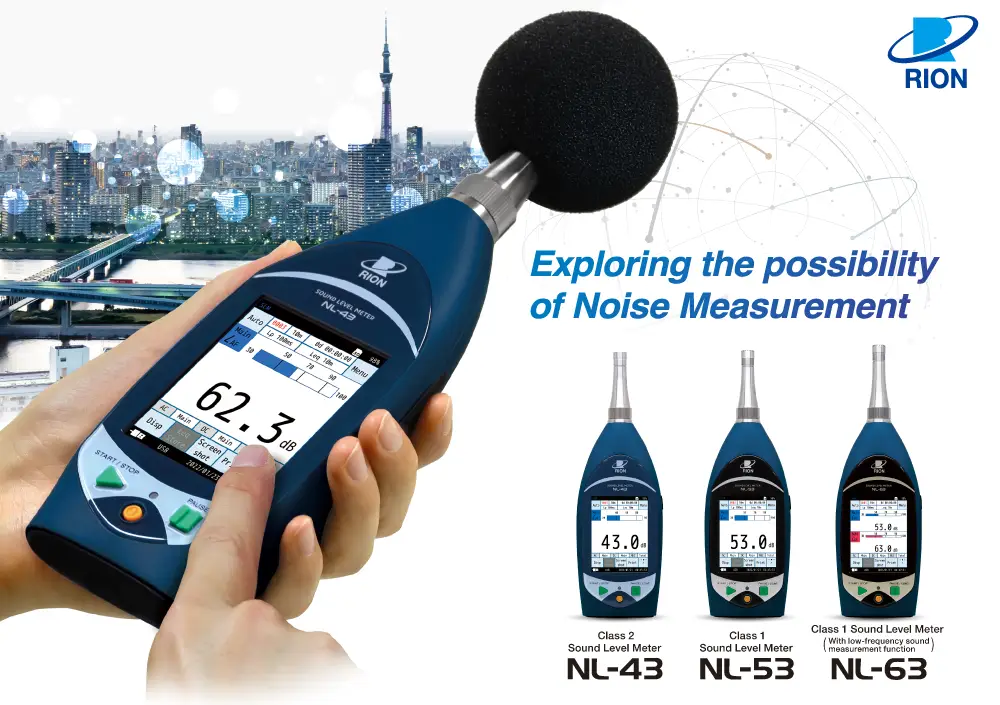
A sound level meter is a device used to measure the intensity of sound in an environment. It provides accurate readings in decibels, and a reliable sound level meter in Australia ensures precise monitoring for compliance and safety. With precise noise data, users can determine whether an area meets recommended sound levels. This helps inform decisions about what changes or actions may be required. Sound level meters are used in workplaces, public spaces, and homes.
2. Health Impacts of Excessive Noise
Studies show that long-term exposure to high noise levels can lead to health problems. People may become accustomed to frequent loud sounds, which can result in hearing loss or increased stress. Continuous noise disturbances can disrupt sleep and cause concentration difficulties. This decline in quality of life has lasting effects. Environmental noise monitoring helps identify potentially harmful exposure and enables action before health is compromised.
3. Ensuring Regulatory Compliance
Most governments enforce regulations that apply to individuals, businesses, and communities. These regulations specify maximum permissible noise levels for different environments. By regularly measuring sound levels with a sound level meter and staying within legal limits, organisations can avoid legal consequences. Failure to comply may result in fines, legal action, or reputational damage. Accurate noise measurement also demonstrates responsibility and concern for community wellbeing.
4. Supporting Workplace Safety
Many workplaces use machinery or equipment that produces high noise levels. Prolonged exposure can place workers at risk of hearing damage or increase the likelihood of workplace accidents. Sound level meters allow employers to regularly assess noise levels in their environments. When noise exceeds safe limits, protective measures such as barriers or personal protective equipment are required. Compliance with occupational safety standards helps protect employees and maintain acceptable sound conditions.
5. Improving Community Wellbeing
Noise pollution affects entire communities. Residents may be disturbed by noise from transport, construction, or entertainment venues. Sound level meters provide authorities with accurate data to address complaints effectively. This information helps determine where noise reduction measures, such as sound barriers or restricted operating hours, should be implemented. Communities benefit when noise is properly managed.
6. Supporting Urban Planning and Design
Sound level data assists planners and architects in designing comfortable living and working environments. Taking measurements at multiple locations helps identify areas where noise control is insufficient. This data informs decisions on barrier placement, vegetation use, or building orientation. Planning that incorporates sound data results in quieter, more enjoyable neighbourhoods and workplaces.
7. Enabling Effective Event Management
Events such as concerts and festivals often involve amplified sound. Without proper control, these activities can disturb nearby residents or breach local regulations. Sound level meters help monitor and adjust noise levels during events. Real-time data enables quick responses to unexpected spikes. Effective noise management supports positive community relationships and reduces legal risks.
8. Enabling Scientific and Environmental Monitoring
Researchers use sound level meters to study environmental noise and its impact on wildlife and ecosystems. These measurements are essential for research into animal behaviour, habitat quality, and pollution sources. Reliable data is crucial for understanding how sound affects natural environments. Such insights can support conservation initiatives and inform environmental policies.
Conclusion
Sound level meters are essential tools for effective noise control across various settings. Sound monitoring supports health, ensures regulatory compliance, and improves quality of life. Accurate measurement enables individuals and organisations to create safe and comfortable environments. By managing noise effectively, communities and individuals alike benefit. Sound measurement remains a vital step towards healthier and more balanced living spaces.
Sign in to leave a comment.