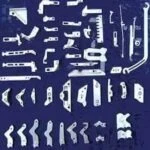
The textile industry relies heavily on advanced machinery to produce high-quality fabrics efficiently. Among these machines, the circular knitting machine plays a crucial role in manufacturing knitted fabrics used in garments, sportswear, hosiery, and industrial textiles. To maintain smooth production and ensure high fabric quality, it is essential for textile factories to understand the key circular knitting machine parts and how they function.
At Knit N Sew Enterprises, a trusted supplier of knitting technology since 1998, textile manufacturers can find reliable and durable knitting machine parts designed to improve machine performance and productivity.
Understanding Circular Knitting Machines
A circular knitting machine is designed to produce tubular fabric by using multiple needles arranged in a circular configuration. The machine operates at high speed and requires well-maintained parts to maintain efficiency. Each component works together to create precise loops of yarn that form knitted fabric.
Knowing the most important circular knitting machine parts helps factories improve machine lifespan, reduce downtime, and maintain fabric consistency.
1. Needles
Needles are one of the most critical knitting machine parts. They are responsible for forming loops of yarn that create the knitted structure.
Different types of needles are used depending on the fabric type and machine design. High-quality needles ensure smooth knitting, reduce yarn breakage, and improve fabric appearance. Regular inspection and replacement of worn needles are necessary to maintain fabric quality.
2. Cylinder
The cylinder is the central part of a circular knitting machine. It holds the needles in vertical slots and rotates continuously during the knitting process.
The cylinder plays a vital role in maintaining the alignment and movement of needles. Any damage or misalignment in the cylinder can affect fabric structure and machine performance. Therefore, textile factories must ensure proper maintenance of this essential component.
3. Sinkers
Sinkers are small metal components located between the needles. Their main function is to hold down the previously formed loops while the new loops are created.
Sinkers help control fabric formation and ensure consistent knitting tension. High-quality sinkers are essential for producing uniform and defect-free fabric. They are among the most important circular knitting machine parts that directly influence knitting efficiency.
4. Cam System
The cam system controls the movement of needles during the knitting process. It determines when needles rise, catch yarn, and form loops.
This component plays a major role in the machine’s knitting pattern and speed. Well-designed cam systems help reduce mechanical stress and improve overall machine performance. Regular lubrication and proper alignment are necessary for smooth functioning.
5. Yarn Feeder
The yarn feeder supplies yarn to the needles at the correct tension and speed. This part ensures that the yarn is delivered consistently during the knitting process.
A properly functioning yarn feeder prevents yarn breakage and ensures uniform fabric production. Many modern machines use advanced feeders that allow better control over yarn tension and fabric quality.
6. Dial
The dial is another important component located above the cylinder in certain circular knitting machines. It holds additional needles that help create complex fabric structures such as rib and interlock fabrics.
The dial works in coordination with the cylinder needles to produce specific patterns and textures. Proper adjustment of the dial is crucial for achieving desired fabric designs.
7. Take-Down Mechanism
The take-down mechanism is responsible for pulling the knitted fabric downward as it is produced. This ensures that the loops are formed properly and the fabric is wound smoothly.
Consistent take-down tension is essential for maintaining uniform fabric density and preventing defects. A well-maintained take-down system improves productivity and fabric quality.
8. Frame and Support Structure
The frame of the circular knitting machine provides stability and support to all the components. It holds the cylinder, dial, cams, and other knitting machine parts in the correct position.
A strong and durable machine frame reduces vibrations and allows the machine to operate efficiently at high speeds.
Importance of High-Quality Machine Parts
Using high-quality circular knitting machine parts is essential for the long-term success of textile factories. Poor-quality components can lead to machine breakdowns, production delays, and fabric defects.
Reliable suppliers like Knit N Sew Enterprises provide durable and precision-engineered knitting machine parts that help factories maintain high production standards. With decades of experience in the textile machinery industry, they supply parts that improve machine performance and reduce maintenance costs.
Maintenance Tips for Circular Knitting Machine Parts
Proper maintenance is key to ensuring the longevity and efficiency of knitting machines. Textile factories should follow these essential practices:
- Regularly inspect needles, sinkers, and cams for wear or damage
- Maintain proper lubrication of moving parts
- Replace worn knitting machine parts on time
- Ensure correct yarn tension and feeder alignment
- Keep machines clean to avoid dust and fiber accumulation
These simple steps can significantly improve machine performance and fabric quality.
Conclusion
Understanding the essential circular knitting machine parts is crucial for every textile factory. Components such as needles, cylinders, sinkers, cams, yarn feeders, and take-down systems all play a vital role in the knitting process.
By using high-quality knitting machine parts and maintaining machines properly, manufacturers can improve productivity, reduce downtime, and produce superior fabrics. Companies like Knit N Sew Enterprises continue to support the textile industry by supplying reliable circular knitting machine components that ensure efficient and smooth fabric production.











Sign in to leave a comment.