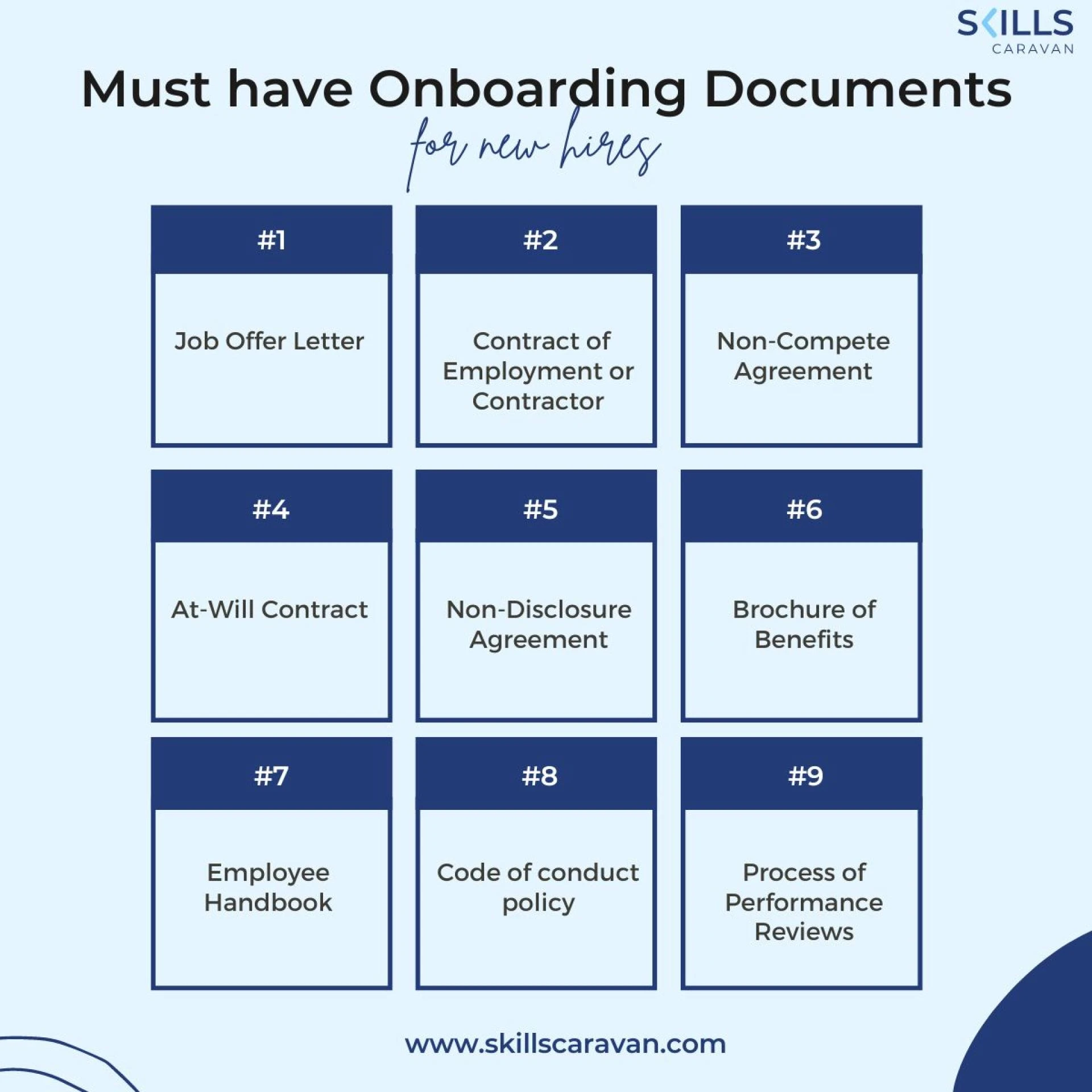

Effective onboarding is crucial for integrating new employees into an organization, ensuring they feel welcomed and prepared to contribute. A significant part of this process involves the collection and management of onboarding documents.
These new employee documentation forms not only fulfill legal requirements but also set the tone for the new hire\'s experience within the company. This article outlines the essential onboarding paperwork that every organization should provide to new hires.
What is Onboarding Paperwork?
Onboarding paperwork refers to the various documents that new employees must complete and submit during their initial days at work. These documents serve multiple purposes, including compliance with legal requirements, clarification of job expectations, and the establishment of a solid foundation for the employee\'s role in the organization. Understanding what onboarding paperwork entails is vital for both employers
and new hires to ensure a smooth transition.
Important Documents for New Hires
The following categories encapsulate the important documents for new hires:
- Legal Forms: These include the W-4 form for tax withholding, the I-9 form to verify employment eligibility, and any state-specific tax forms. These documents are mandatory and must be completed promptly to avoid penalties.
- Employment Offer Letter: This document outlines the terms of employment, including job title, salary, benefits, and start date. It is crucial for establishing mutual understanding between the employer and the employee.
- Employment Contract: While not always required, an employment contract can provide clarity on job responsibilities, confidentiality agreements, and non-compete clauses.
- Company Policies and Handbooks: These documents detail the organization’s policies, procedures, and culture. New hires should acknowledge receipt and understanding of these materials to ensure compliance with company standards.
- Emergency Contact Information: Collecting emergency contact details is essential for employee safety and ensures that the company can reach someone in case of an emergency.
- Benefits Enrollment Forms: If the company offers benefits, new hires need to complete the necessary enrollment forms to access health insurance, retirement plans, and other perks.
- Direct Deposit Information: New employees should provide their banking details to facilitate timely payroll processing.
- Job-Specific Documentation: Depending on the role, additional documents may be required, such as training manuals, performance expectations, and project outlines.
Streamlining the Onboarding Process
To enhance the onboarding experience, organizations should consider implementing best practices for managing employee onboarding paperwork:
- Digital Documentation: Utilizing digital forms can streamline the process, making it easier for new hires to complete and submit their documents without the hassle of physical paperwork.
- Onboarding Checklists: Creating a checklist of onboarding docs ensures that all necessary paperwork is collected and reviewed systematically, reducing the chances of missing critical forms.
- Orientation Sessions: Conducting orientation sessions can help new hires understand the paperwork they are completing, clarify any questions, and introduce them to company culture.
- Buddy Systems: Pairing new hires with experienced employees can facilitate a smoother transition, helping them navigate both the paperwork and the workplace environment.
In conclusion, the importance of onboarding documentation cannot be overstated. By ensuring that all onboarding forms are completed accurately and promptly, organizations can foster a positive atmosphere for new employees, ultimately leading to higher retention rates and increased productivity. Investing time and resources into a comprehensive onboarding process is essential for any organization looking to build a strong, engaged workforce.










Sign in to leave a comment.