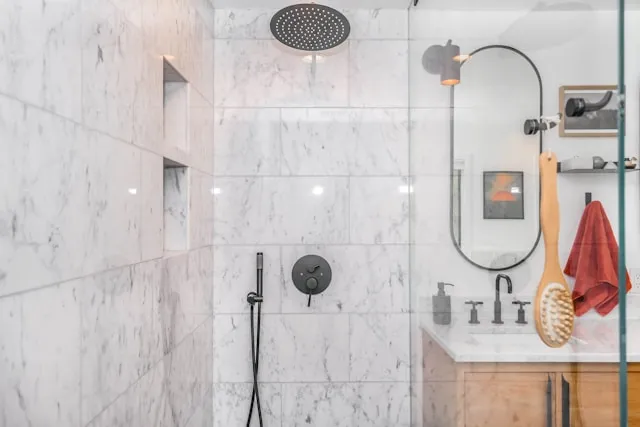

A tile shower can become one of the most attractive and functional features in a bathroom, but its performance depends heavily on planning, preparation, and installation quality. Homeowners often focus on colors, patterns, and fixtures while overlooking important questions about construction and long term maintenance. Before beginning a renovation, it is helpful to understand the installation process, material requirements, expected timeline, and potential challenges. Asking the right questions can help homeowners make informed decisions and select a tile shower contractor who understands both the decorative and structural aspects of a successful shower project.
Understanding the Scope of the Project
Every shower renovation has different requirements based on room size, existing conditions, plumbing arrangements, and selected materials. Homeowners should first clarify what the project includes and whether existing surfaces need to be removed or repaired. The scope may involve demolition, surface preparation, waterproofing, tile installation, grouting, sealing, and final finishing. Understanding these stages can help prevent misunderstandings later. A detailed discussion before work begins gives homeowners a clearer idea of what will happen, which materials will be involved, and how the finished shower should perform.
What Experience Does the Contractor Have?
Experience is an important consideration when evaluating a professional for a tile shower project. Shower installations require more than placing attractive tiles on walls. Proper preparation, waterproofing, drainage, layout, and finishing all contribute to long term performance. Homeowners should ask how frequently the contractor handles shower installations and whether similar projects have been completed previously. Experience with different tile sizes, patterns, shower configurations, and challenging surfaces can also be valuable. A contractor who understands the complete installation process can help identify potential concerns before they become expensive problems.
Asking About Previous Shower Projects
Homeowners can request examples of previous shower work to understand the contractor's approach to design and installation. Reviewing completed projects may provide insight into tile alignment, grout consistency, corner finishing, niche construction, and overall attention to detail. It can also help homeowners determine whether the contractor's work matches their preferred style. Previous project experience does not guarantee identical results, but it can provide useful information about workmanship. Seeing different installations may also inspire practical ideas for layouts, decorative details, and storage features within the new shower.
How Will the Shower Be Waterproofed?
Waterproofing is one of the most important parts of shower construction because tile and grout alone should not be considered the complete moisture protection system. Homeowners should ask what waterproofing approach will be used beneath the finished tile surface. The contractor should be able to explain how walls, corners, joints, niches, and other vulnerable areas will be protected. Understanding this process can help homeowners appreciate why proper preparation matters. A carefully installed waterproofing system can reduce the risk of moisture related problems and contribute to a more dependable shower structure.
Understanding Moisture Protection
A shower is exposed to water repeatedly, so moisture management should be considered from the beginning. Waterproofing details around corners, penetrations, seams, and transitions require careful attention because these areas can become vulnerable when installation is rushed. Homeowners should ask how these locations will be handled and whether the entire shower area will receive appropriate protection. Clear communication about waterproofing can provide reassurance and reduce uncertainty. The visible tile may be the most attractive part of the project, but the layers beneath it are equally important to long term shower performance.
What Type of Tile Is Suitable?
Tile selection should consider more than color and appearance. Homeowners should discuss tile size, texture, material characteristics, cleaning requirements, and suitability for the intended shower surfaces. Floor tiles may need appropriate traction, while wall tiles can provide greater flexibility in size and design. Large tiles may create fewer grout joints, whereas smaller tiles can accommodate curved or detailed areas more easily. A professional can explain the practical considerations associated with different options. Choosing suitable tile can improve both appearance and everyday usability while supporting the overall design of the bathroom.
Considering Tile Size and Layout
Tile size can influence the appearance and installation process. Large tiles may create a clean, spacious look, while smaller formats can introduce visual detail and work effectively around complex areas. The layout should also account for corners, niches, fixtures, and transitions. Poorly planned cuts can make an otherwise attractive design appear uneven. Homeowners should therefore discuss the intended pattern before installation begins. A carefully planned layout can reduce awkward cuts, improve symmetry, and create a more polished appearance throughout the shower.
How Will the Shower Floor Be Designed?
The shower floor requires particular attention because water needs to move efficiently toward the drain. The underlying surface should be properly shaped to support drainage while providing a stable base for the selected tile. Homeowners should ask how the floor will be prepared and how the tile will accommodate the required slope. Smaller tiles can sometimes provide greater flexibility on sloped surfaces because their individual pieces can follow the contour more effectively. Proper planning of the shower floor contributes to both drainage performance and a comfortable walking surface.
Planning the Drain Location
Drain placement can influence the entire shower layout. A centrally positioned drain may create a different tile pattern than a linear or differently positioned design. The location should work with the shower's dimensions, slope, plumbing configuration, and visual goals. Homeowners should discuss drain placement before tile selection because the two decisions can affect each other. Careful planning can help create a balanced appearance while supporting effective water movement. Addressing the drain early can also reduce the likelihood of unexpected changes during installation.
Can the Contractor Build Shower Niches?
Built in niches can provide useful storage for soaps, shampoos, and other shower essentials while contributing to the overall design. However, niches require careful construction and waterproofing because they create additional corners and joints within the shower area. Homeowners should ask whether a niche can be incorporated into the selected layout and how it will be protected from moisture. Tile placement around the niche should also be considered. A properly planned niche can become both a practical storage feature and an attractive architectural detail.
Choosing Niche Placement
The height and position of a shower niche should reflect the people who will use it. A niche placed too high or too low may be inconvenient, while a poorly positioned opening can interfere with plumbing or structural elements. Homeowners should consider bottle sizes, accessibility, and the shower's overall dimensions. Multiple niches may also be useful when more storage is required. Planning placement before construction allows the feature to become part of the shower design rather than appearing as an afterthought.
What Grout and Sealant Will Be Used?
Grout contributes to the appearance and maintenance requirements of a tiled shower. Homeowners should discuss grout color, joint width, and the type of grout appropriate for the installation. Different grout choices can create contrasting or blended appearances. The contractor should also explain whether any areas require suitable sealants or additional protection. These details can influence how easily the shower is maintained and how its appearance develops over time. Choosing compatible materials and applying them correctly can help support a cleaner and more durable finished installation.
Balancing Appearance and Maintenance
Light grout can create a bright and seamless appearance, while darker grout can emphasize individual tiles and potentially disguise some everyday marks. However, maintenance requirements should also influence the decision. Homeowners should understand how the selected grout should be cleaned and maintained. The best choice often balances visual preference with realistic household routines. Considering these factors before installation can help prevent disappointment later. A beautiful shower should also be practical enough to remain attractive under regular use.
How Long Will the Installation Take?
Project duration can vary depending on shower size, demolition requirements, surface conditions, material availability, and installation complexity. Homeowners should ask for an estimated timeline and discuss which stages may affect completion. Preparation and waterproofing may require additional time because surfaces or protective layers often need proper curing before subsequent work continues. Understanding the sequence helps homeowners plan around bathroom access limitations. A realistic timeline is more useful than an overly optimistic estimate because quality installation should not be rushed simply to finish sooner.
Preparing for Temporary Disruption
Bathroom renovations can temporarily affect household routines. Homeowners should understand when the shower will be unavailable and whether other bathroom features may also be affected. Preparing alternative arrangements can make the renovation less disruptive. Materials, fixtures, and design decisions should ideally be finalized before installation begins to reduce unnecessary delays. Clear communication about scheduling can help everyone understand expectations. Planning for temporary inconvenience allows homeowners to focus on the final result rather than becoming frustrated by predictable construction limitations.
How Will Existing Surfaces Be Prepared?
The condition of existing walls and floors can significantly influence a shower renovation. Damaged surfaces, uneven areas, old materials, or unsuitable substrates may need to be removed or corrected before new tile is installed. Homeowners should ask whether the existing structure will be evaluated and what preparation may be necessary. A strong finished surface begins with an appropriate foundation. Installing new tile over an unsuitable base can create problems later. Proper preparation therefore deserves the same attention as the visible tile and decorative details.
Identifying Hidden Problems
Renovation work can sometimes reveal conditions that were not visible before demolition. Moisture damage, deteriorated materials, or unexpected plumbing issues may require additional work. Homeowners should ask how such situations will be handled and how additional costs or schedule changes will be communicated. Discussing these possibilities in advance can reduce confusion if unexpected conditions appear. While not every issue can be predicted, having a clear process for addressing discoveries can make the renovation easier to manage.
How Will Tile Alignment Be Maintained?
Consistent tile alignment is essential for a professional looking shower. Uneven spacing, inconsistent joints, and poorly planned transitions can become especially noticeable in areas with strong geometric patterns. Homeowners should ask how the layout will be established and how alignment will be maintained around corners, fixtures, niches, and edges. Careful measurement and planning can improve symmetry. Discussing these details before installation can also help homeowners understand why layout decisions may affect the number and placement of cuts throughout the shower.
Creating a Polished Finished Appearance
A polished shower depends on many small details working together. Straight lines, consistent grout joints, clean corners, carefully positioned trim, and balanced tile cuts all contribute to the finished appearance. Homeowners should communicate their preferences early, especially when the design includes decorative borders or contrasting patterns. Professional attention to detail can help ensure that the visible surfaces look intentional. The goal is not simply to cover the shower with tile but to create a cohesive installation that complements the entire bathroom.
What Maintenance Will the Shower Require?
Every shower requires routine cleaning, but maintenance needs can vary according to tile material, grout type, water exposure, and design. Homeowners should ask how the completed shower should be cleaned and whether any surfaces require periodic sealing or special care. Understanding maintenance before installation can help homeowners choose materials that fit their lifestyle. A design that looks attractive but requires more care than expected may become frustrating. Selecting practical materials and following appropriate cleaning routines can help preserve the shower's appearance and performance.
Planning for Long Term Care
Long term care begins with realistic expectations. Regular cleaning can help reduce buildup, while prompt attention to damaged grout or sealant can prevent minor concerns from becoming larger issues. Homeowners should understand which maintenance tasks are routine and which conditions may require professional attention. Keeping the shower dry between uses when practical can also support cleanliness. A maintenance plan does not need to be complicated. Consistent care and periodic inspection can help preserve a well installed shower for many years.
Conclusion
A successful tile shower requires careful planning, suitable materials, proper waterproofing, accurate layout, and skilled installation. Homeowners can make better decisions by asking questions about experience, preparation, drainage, tile selection, niches, grout, timelines, and maintenance before work begins. Understanding these details helps create realistic expectations and reduces the likelihood of avoidable problems. A professionally planned shower can provide both lasting functionality and attractive design when every stage receives appropriate attention. With thoughtful project planning and dependable workmanship, Elizabethtown Flooring can support homeowners in creating bathroom spaces that combine comfort, durability, and lasting visual appeal.


























Sign in to leave a comment.