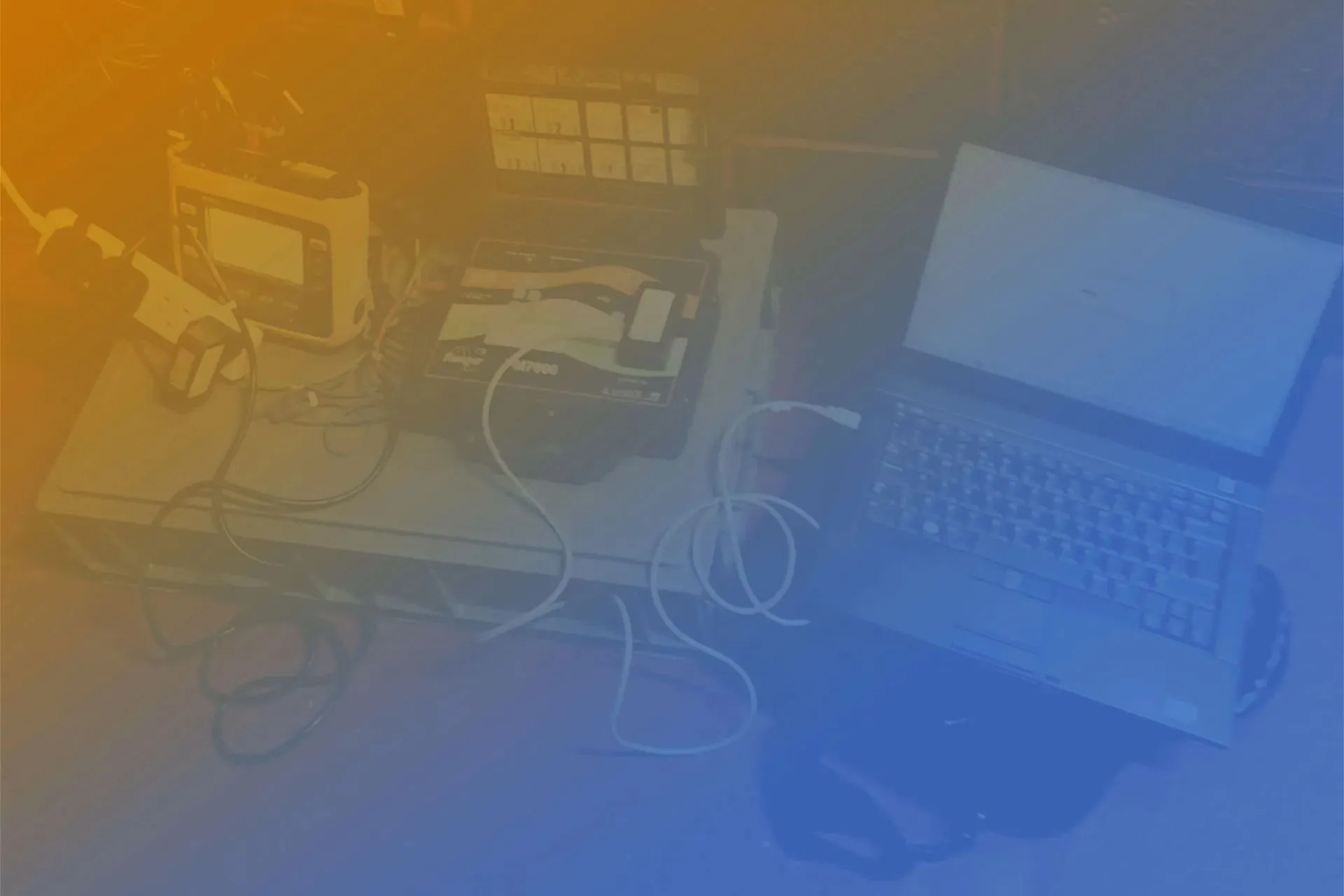

Unexpected electrical faults can disrupt operations, damage equipment, and increase maintenance costs. One of the most common and frustrating issues faced by industrial and commercial facilities is circuit breakers tripping without an obvious cause. In many cases, the root problem lies in poor power quality. This is where power quality resilience studies and power quality surveys become essential tools for maintaining stable and reliable electrical systems.
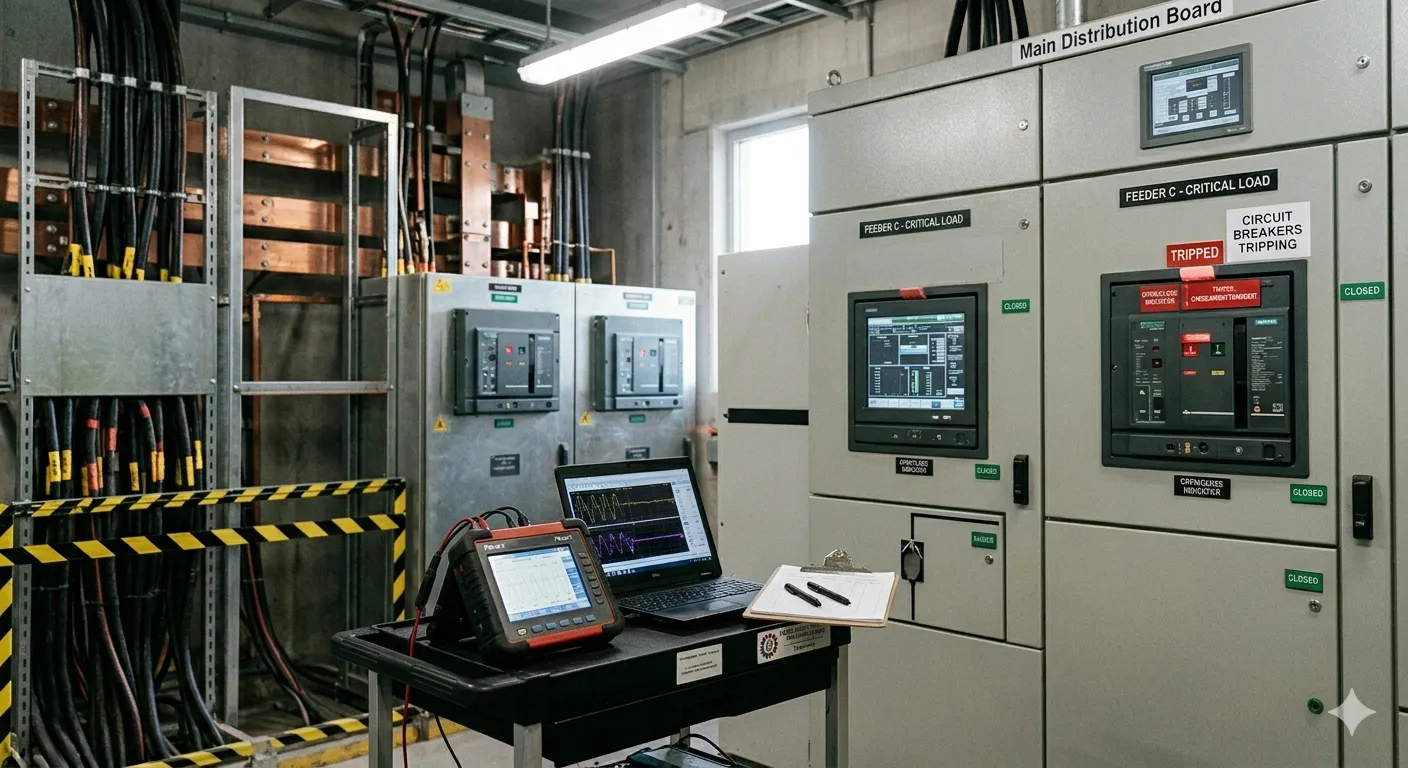
Understanding Power Quality Resilience Studies
Power quality resilience studies focus on how well an electrical system can handle disturbances and continue operating without failure. These studies go beyond identifying issues—they assess how systems respond under real-world conditions such as voltage dips, harmonic distortion, and transient events.
Dale Instruments conducts resilience studies to evaluate system strength and identify vulnerabilities that may not be visible during routine checks. By analysing how equipment reacts to electrical disturbances, businesses can take preventive action before failures occur. This proactive approach is particularly valuable in facilities where continuous operation is critical.
The Role of Power Quality Surveys
While resilience studies assess system behaviour, power quality surveys provide the detailed data needed to understand what is actually happening within the electrical network. These surveys measure parameters such as voltage levels, current fluctuations, harmonics, and power factor.
Dale Instruments uses advanced monitoring tools to capture accurate data over time. This allows engineers to identify hidden disturbances that may be affecting performance. For example, harmonic distortion or voltage imbalance can often go unnoticed until they cause repeated equipment issues.
Power quality surveys help organisations move from guesswork to data-driven decision-making, ensuring that corrective actions are targeted and effective.
Why Circuit Breakers Keep Tripping
Circuit breakers tripping is often a symptom rather than the root cause of a problem. While overloads and short circuits are common reasons, frequent or unexplained tripping may indicate deeper power quality issues.
Factors such as harmonic currents, voltage fluctuations, or transient spikes can create conditions that trigger protective devices. Dale Instruments helps businesses identify these underlying causes through detailed surveys and resilience studies.
By understanding why circuit breakers trip, organisations can implement solutions such as load balancing, harmonic filtering, or equipment upgrades, reducing unnecessary interruptions and improving overall system reliability.
A Proactive Approach to Electrical Stability
Combining power quality resilience studies with detailed surveys creates a complete picture of system performance. Rather than reacting to failures, businesses can take a proactive approach—identifying risks early and strengthening system resilience.
Dale Instruments provides practical, results-driven solutions that help organisations improve reliability, protect equipment, and maintain efficient operations. This integrated strategy ensures long-term stability and reduces the risk of costly downtime.
Frequently Asked Questions
What are power quality resilience studies?
They evaluate how well an electrical system can handle disturbances and continue operating without failure.
What is a power quality survey?
A survey measures electrical parameters to identify disturbances affecting system performance and reliability.
Why do circuit breakers trip frequently?
Frequent tripping can be caused by overloads, short circuits, or hidden issues like harmonics, voltage fluctuations, or transient events.
How can these issues be prevented?
Regular power quality surveys and resilience studies help identify problems early and allow for targeted corrective actions.











Sign in to leave a comment.