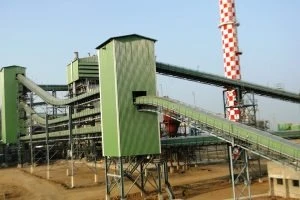

Industrial assets are subjected to constant mechanical stress, environmental exposure, and material impact. Conveyors, support structures, and transfer points endure repetitive loads that, if not properly engineered, accelerate wear and fatigue. Over time, minor design compromises can significantly shorten equipment life.
By treating material handling systems as long-term assets rather than short-term installations, industries can reduce replacement cycles and maintain operational continuity. This shift requires disciplined engineering, accurate fabrication, and execution aligned with real operating conditions.
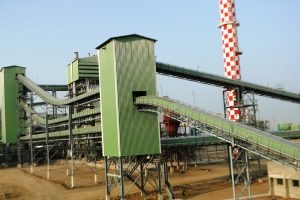
Engineering Foundations That Extend Equipment Life
The lifespan of material handling systems is largely determined during the design stage. Load calculations, structural margins, and material selection must reflect not only average operating conditions but also peak loads and abnormal scenarios.
Experienced bulk material handling equipment manufacturers focus on structural accuracy and mechanical balance to limit excessive vibration, misalignment, and uneven wear. These engineering measures protect components from premature failure and help systems maintain performance across prolonged duty cycles.
Precision Fabrication and Structural Integrity
Even the most robust design can fail if fabrication quality is inconsistent. Dimensional inaccuracies, poor welding practices, or misaligned assemblies introduce hidden stresses that weaken structures over time.
Methods India emphasises fabrication precision and quality control to ensure that structural and mechanical components perform as designed. Accurate fabrication preserves load paths, maintains alignment, and supports uniform stress distribution, all of which are essential for extending asset life.
Execution Discipline and Installation Accuracy
Installation is a critical phase where asset longevity can either be reinforced or compromised. Improper erection, misaligned foundations, or inadequate anchoring often lead to chronic maintenance issues.
An integrated execution approach ensures that installation follows engineering intent without deviation. This discipline reduces early-stage failures and ensures that systems begin their operational life under optimal conditions. Midway through major industrial projects, many organisations assess execution reliability and increasingly engage partners such as Methods India to maintain consistency from design through commissioning.
Maintenance-Friendly Design for Long-Term Use
Longevity is not solely about strength; it also depends on how easily systems can be inspected and maintained. Poor access to critical components often leads to deferred maintenance, increasing the likelihood of failure.
Engineering-led material handling systems incorporate maintenance accessibility into layout planning. Clear access paths, modular components, and logical equipment arrangement allow maintenance teams to perform timely inspections and repairs, preserving asset condition over time.
Environmental Resistance and Operational Durability
Industrial environments often expose equipment to dust, moisture, temperature variation, and abrasive materials. Systems not designed for these conditions deteriorate rapidly.
Durable material handling infrastructure accounts for environmental factors through protective coatings, appropriate material selection, and structural detailing. These measures reduce corrosion, abrasion, and fatigue, directly contributing to longer asset service life.
Key Factors That Support Asset Longevity
• Engineering margins protect against overload and fatigue
• Fabrication accuracy maintains structural integrity
• Installation discipline prevents early-stage failures
• Maintenance-friendly layouts enable proactive upkeep
• Environmental protection reduces long-term degradation
Conclusion
Industrial asset longevity is the result of deliberate engineering choices, disciplined execution, and lifecycle-focused planning. Material handling systems that are designed, fabricated, and installed with durability in mind deliver sustained value far beyond their initial commissioning. By reducing wear, simplifying maintenance, and accommodating demanding operating conditions, robust handling infrastructure strengthens operational stability and financial performance. Through a long-term engineering perspective, Methods India demonstrates how material handling systems can function not just as operational tools, but as durable assets supporting industrial performance for years to come.



Sign in to leave a comment.