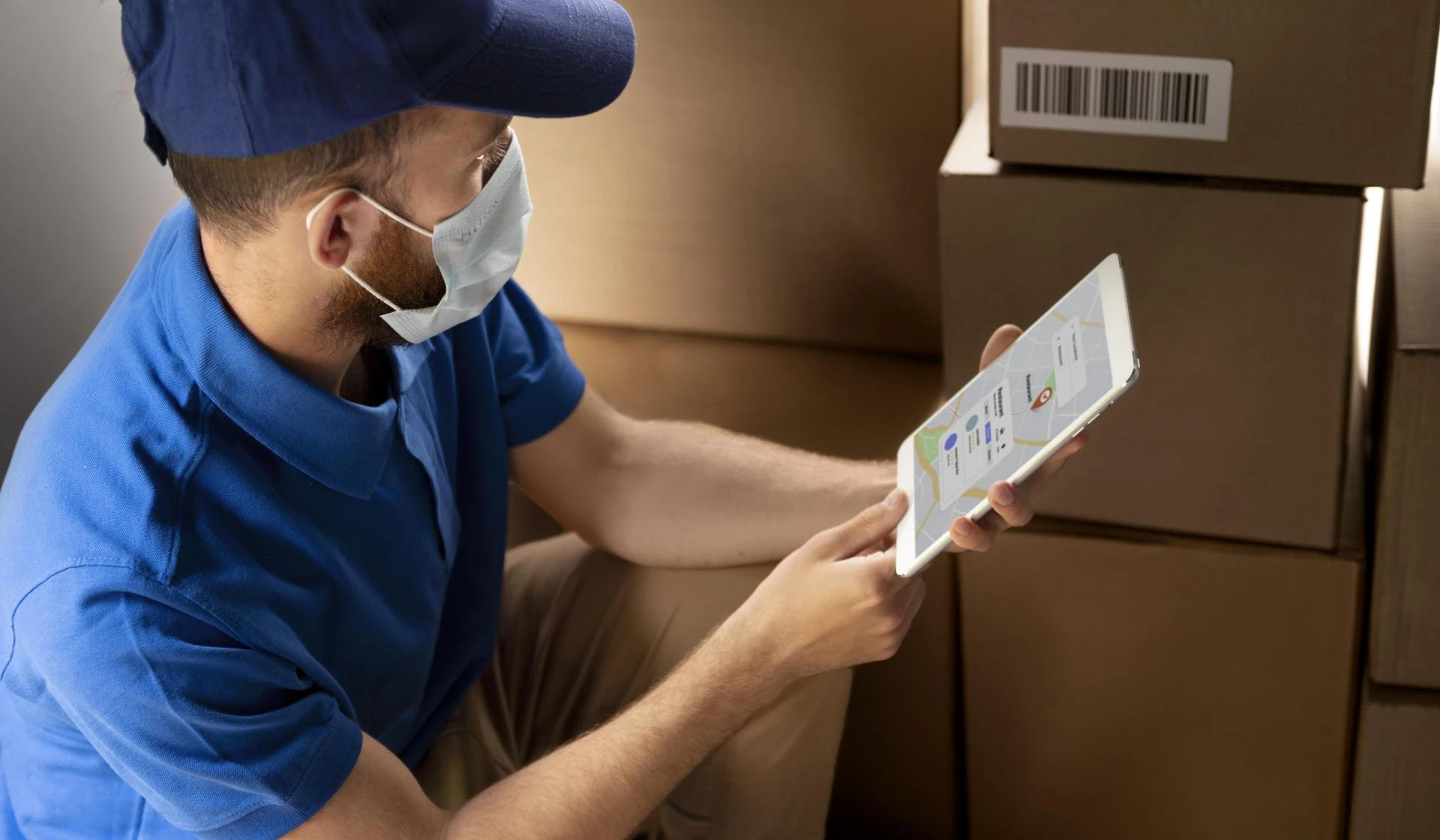

Within Australia’s dynamic logistics environment, last-mile delivery has become one of the logistics supply chain's most pressing and expensive aspects. Last mile delivery refers to the last step in the delivery in which goods are delivered from a warehouse or distribution center to a customer's door.
With the boom in eCommerce and the expectations of customers that they can have fast, trackable, and low-cost delivery, organizations are being challenged to improve their last-mile effectiveness in order to be competitive regardless of the organization size. There are many improvements in technology with emerging real-life solutions that can help meet this challenge.
Why Last Mile Delivery Matters
While last mile delivery may be the shortest part of the supply chain in kilometers traveled, it is the most expensive and complex. Last mile delivery can account for as much as 50% of all shipping and logistics costs, depending on fuel, labor, failed deliveries, and inefficient routing.
Consumers, especially in large capital cities such as Sydney, Melbourne, and Brisbane, expect same- and next-day delivery now, as well as real-time tracking and flexible delivery options. The added complexity for logistics companies in terms of deliveries to remote locations in regional/rural Australia includes traveling longer times and often to limited infrastructure.
Last-mile delivery has become essential for businesses that want to remain competitive.
1. Route Optimisation Software
The potential of route optimization as a last-mile technology game changer is huge. Instead of time-consuming manual route planning, routing software can automatically determine the optimal route when using a vehicle, based on real-time traffic, time impacts of delivery windows, weather, and roadworks.
These technologies can save time on the road, decrease fuel usage and emissions, and help drivers complete more deliveries each day. For companies with a large geographic footprint, especially across Australia, these systems present a significant opportunity.
2. Real-Time Delivery Tracking
Now, with the advent of real-time tracking capabilities, clients can track their parcel from dispatch to delivery. Many courier services in Australia provide virtual maps showing tracking updates, estimated time of arrival, and SMS or email notifications.
By aligning with tracking transparency using real-time tracking, trust is built with your clients. Fewer inquiries related to "Where's my parcel?" means companies can spend less time with customer service interactions about parcels and more time fulfilling orders.
3. Electronic Proof of Delivery (ePOD)
Goodbye to delivery notes on paper. With electronic proof of delivery (ePOD), drivers can digitally capture signatures, scan barcodes, and photograph items at the point of delivery with a smart device.
These types of technologies reduce errors, decrease fraud, and provide a strong digital record for every parcel - even more so when transporting high-value or time-sensitive goods.
4. Smart Lockers and Click & Collect
As a response to the pressure on last-mile logistics, many companies are experimenting with smart lockers or click-and-collect options. These methods allow customers to take possession of packages at their convenience, and instead of staying home to receive deliveries, the customer can simply pick their parcels up from a secure location.
For example, Australia Post has expanded its parcel locker network in metro and regional areas, offering added flexibility to online shopping and lowering the failed delivery rate.
5. Drivers
Drivers are also being empowered with mobile apps as last-mile delivery improves with technology. These apps give drivers all of the delivery instructions, route updates, communication abilities, and access to each of these features, all in one application.
Mobile apps also permit drivers to scan packages, capture signatures, and record any delivery issues. Thus, making the logistics of last-mile delivery easier and more accurate.
6. Drones and Autonomous Delivery
Drones and autonomous vehicles are still in the trial phase and being tested across Australia, but they represent the future of last mile delivery. Companies like Wing are already trialing drone deliveries in places like Canberra and Logan by enabling ultra-fast delivery for small parcels (food, medicines, essentials, etc.).
When this technology matures and the regulatory frameworks catch up, these innovations could be rolled out widely, particularly in regional areas where traditional delivery can be expensive or slow.
7. Data and Predictive Analytics
Data analytics may be one of the more modern commodities within logistics today. It is helpful for understanding delivery times, customer preferences and patterns, and geographical data, and allows businesses to make more informed decisions around vehicle allocation, warehouse locations, and planning for busy times.
Predictive analytics can help businesses project demand and prepare for peak times, such as Black Friday or Christmas shopping season, and help businesses prevent bottlenecks and delays.
Conclusion
With eCommerce getting popular and customer expectations rising, improving last mile delivery In a competitive market and investing in last-mile tech are no longer just options—they’re necessities for staying ahead.





















Sign in to leave a comment.