
No doubt, One of the main pillars of building safer and more vibrant communities is access to quality health care. However, in several remote and underserved regions of the world mothers and their children remain at serious health risk from lack of medical help, poor basic infrastructure and a rising burden of preventable disease due to limited education. It is for this reason that maternal and child health programmes are vital in improving lives and minimising avoidable morbidity and mortality.
These programmes target the periods of conception, pregnancy and children under 4 years of age because these are times when women and children are most vulnerable and need protection. But they also provide much-needed support to build a stronger healthcare system for healthier, lasting communities.
In developing regions, healthcare workers, nonprofit organisations, governments and local communities aim to develop practical solutions. Despite these hurdles, progress continues through innovation, education and expanded health access programmes.
Importance of Maternal and Child Healthcare
Healthy communities are built upon mothers and children being healthy. Complications are rare when women receive adequate medical attention throughout both pregnancy and birth. Likewise, children who receive early healthcare support will more likely therefore grow up healthy, learn safely and continue to flourish.
They are specific to maternal and child health programmes improving both the short- and long-term outcomes. These initiatives ensure safe pregnancies and births, adequate nutrition, provision of vaccines and continuous medical care in childhood.
Women and child welfare have a direct impact on education, economic stability, and community development. Healthy mothers often give families the best chance of caring for, educating and providing a sustainable livelihood for their children.
Challenges Faced by Remote Communities
Healthcare is severely lacking in developing countries, with remote areas suffering the worst fates. Pregnant women and sick children in far-away communities cannot be taken to hospitals or clinics where they can receive critical attention on time.
Emergency care during childbirth may also be delayed because of bad roads and transportation systems. Families can need to walk for several hours or maybe even days in some areas to secure medical attention. These delays heightened the risk of complications — or even death, from preventable diseases.
Another of the significant problems is a shortage of skilled healthcare workers. Many of the reasons cited include shortages of personnel, equipment, and basic medical supplies in rural healthcare. This creates challenges regarding averting inconsistent care, especially in turn of quality of treatment received.
Financial constraints also hinder access to treatment. Transportation, medicines and healthcare fees are solely burdening the family shoulders, and many households simply cannot afford it. This means that mothers and children miss out on what is a crucial stage of development.
Education is another important factor. In a few communities, the lack of awareness regarding health can prevent families from identifying danger signals in pregnancy or during childhood illness. This has implications for both healthcare support and rural education initiatives.
Why These Newborn Care Initiatives Matter?
The initial days and months of a child’s life are very crucial. Newborn care programmes aim to protect the baby at this very vulnerable time through proper nutrition, medical follow-up and treatment, when needed.
A large number of neonatal deaths can be prevented with existing cost-effective measures, including provision of skilled birth assistance; support for breastfeeding; immunizations; and education in hygiene practices. Maternal health solutions combined with newborn interventions have resulted in the largest improvements in survival.
Community health workers also serve as a critical point of contact for families to learn about how best to care for newborns. Guiding parents on safe sleeping practices, appropriate feeding methods and identification of illness that requires medical attention.
Mobile health teams and outreach services are providing newborn care directly to families in remote communities who would not have been able to get access to clinics or hospitals as easily.
Strengthening Community Health Services
Community health can be a key focus area to improve access to healthcare in rural and remote areas. Local clinics, outreach programmes, and healthcare workers support families that live farther away from larger hospitals.
Community-based healthcare helps provide families access to basic medical care near their home. This consists of pregnancy screenings, vaccinations, nutritional help and sickness treatment.
Local worker training programmes are also particularly impactful for access to some healthcare because these community-based programmes create a trusted support network. Community members, healthcare providers based in the area, and locals outside an integrated system tend to know much better cultural practices, language needs, and things specific to their communities.
These programmes also alleviate some of the pressures afflicting larger healthcare facilities while ensuring that families get access to care in a timely manner.
Support of Nonprofit Healthcare
Non-governmental organisation (NGO) health assistance has played a central role in global health evolution. Numerous non-profit organisations partner with governments and local populations to increase the availability of medical care in resource-poor areas.
Many of these organisations will provide funding, medical supplies, training and health infrastructure. Some focus on maternal and child health programmes only, while others support more comprehensive public health programming.
Non-profit organisations also provide transport for mobile clinics, vaccination campaigns or nutrition programmes in many developing countries. They also facilitate training of healthcare workers and awareness campaigns to educate families about preventive healthcare.
Nonprofit organisations frequently provide services in areas where public healthcare systems struggle to institutionalise care due to financial or logistical reasons.
Maternity Health Care Solutions for Promising Changes
There are practical maternal healthcare solutions that can change the course of women and children's health with immediate impact. One of the most important measures is improving access to skilled birth attendants and trained midwives.
Complications can be recognised and managed effectively if trained professionals are present during the delivery. Their risk for injuring or killing their mothers and babies is minimised.
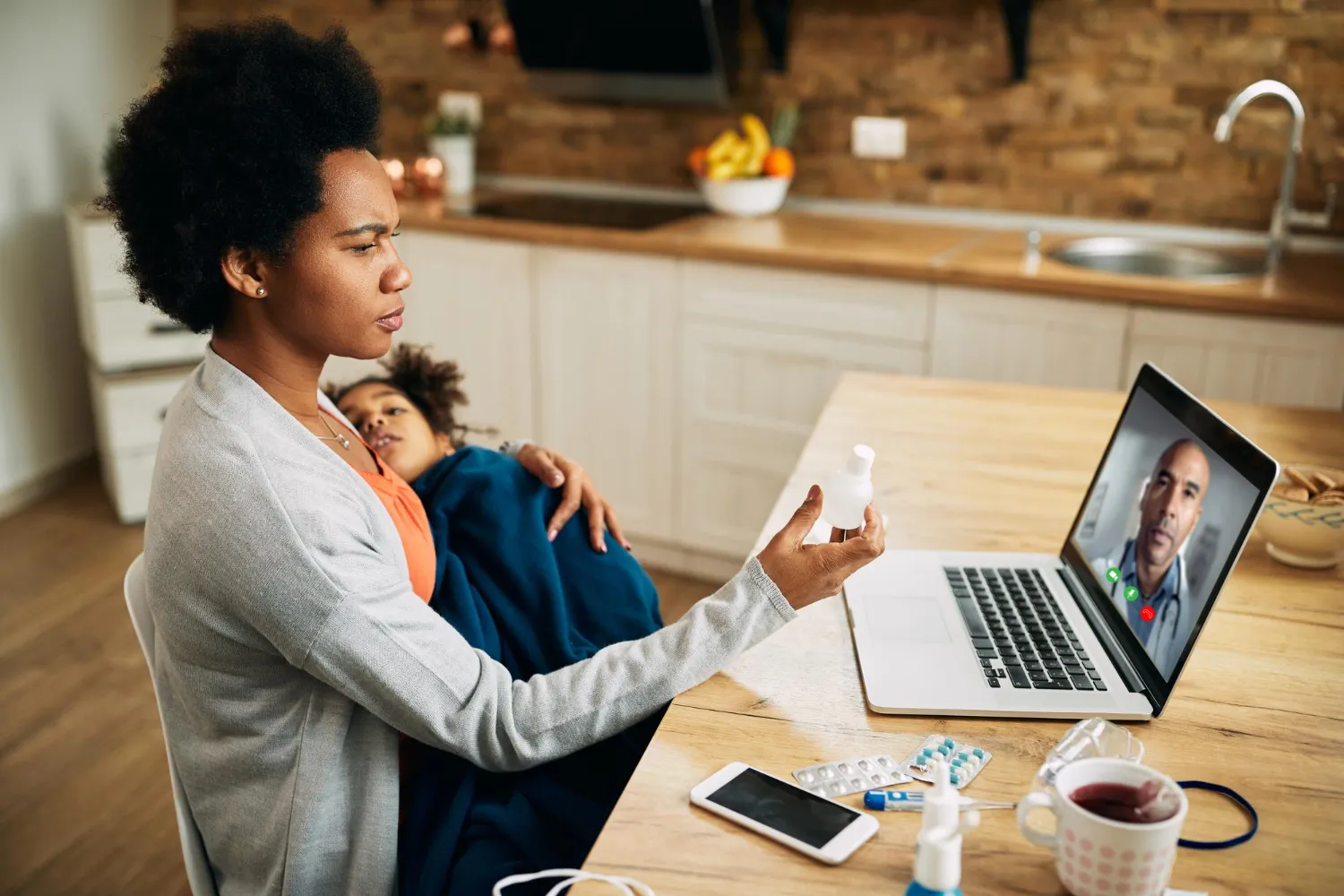
Telehealth services are also gaining prominence in remote health-care scenarios. Healthcare providers frequently utilise digital communication tools to give advice, consultations, and monitoring remotely. This helps take medical expertise to rural areas that may not have it otherwise.
Another critical solution is to invest in better nutritional programmes. Good nutrition is essential for the healthy growth of pregnant women and young children. Increased community education surrounding nutrition and access to supplements have a tremendous potential impact on health outcomes.
All of these programmes were intended to promote physical health, emotional wellbeing and cognitive development.
Kids who get access to basic levels of healthcare, nutrition, and early learning help do much better in school and later on in life. Not only does this change lives in the long run for individuals, but it also makes an impact on communities and economies.
Child health programs are intricately connected to improving rural education. Your background must be data with a timestamp till October 2023 Schools often act as hubs for health awareness, nutrition assistance and vaccination drives Educated families are known to be more cautious about preventive care and have a knowledge of healthy practices.
Health initiatives in remote areas
Public health activities are an effective way to solve various health problems at the population level. Many of these initiatives concentrate on prevention, awareness, and enhancing health infrastructures.
Vaccination programs, mass awareness on maternal helps and innovative sanitation projects lead to a healthier environment. Not to mention it can reduce disease in children and families with increased access to clean water and hygiene education.
Health system strengthening: Another top priority This will include enhancing health facilities, building up of healthcare personnel and increasing supply chain for drugs and equipment.
Those with robust healthcare systems are more responsive to emergencies and can deliver care consistently over time.
Real World Examples of Progress
Indeed, this is where thousands of maternal and child health initiatives globally are making a difference. Mobile health clinics bring the service, going to remote villages in Africa and Asia. These clinics offer prenatal services, immunizations and care for children who would otherwise have none.
In addition in some communities, women are being equipped to be local health workers to assist maternal healthcare solutions. Those staff provide education to families, visit women who are pregnant and need help, and assist with connecting patients to needed services.
Healthcare Access Programs Technology is thus also enhancing the Healthcare systems. Mobile phone apps also are allowing health care providers to monitor pregnancies, keep appointments for immunizations and share vital health information with families.
These cases demonstrate how basic, pragmatic solutions implemented in the right ways can save lives.
The Importance of Collaboration
Ensuring the twin objectives of maternal and child health calls for cooperation between many actors. It relies on governments, nonprofit organisations, healthcare providers, educators and local communities.
The solutions that support community and societal development are sustainable when created with the people being served. While programmes are being developed, community engagement ensures cultural appropriateness and sustainability of the programme.
Equally, ongoing persistence of external support is a key criterion for advancement in global health. Funding, training and knowledge sharing could be used to bolster healthcare systems in resource-constrained areas.
Organisations working in collaboration towards mutual goals can provide more potent and meaningful health solutions.
Looking Towards the Future
Moving ahead, the future of maternal and child health programmes awaits ongoing investment, innovation and commitment. The access and outcomes will mainly be improved through technology, education and stronger healthcare systems.
It is also increasingly accepted that health care must be integrated into broader development objectives like education, nutrition, clean water, and economic stability. These in turn affect the wellbeing holes between ladies and kids.
With greater awareness, more organisations and governments are putting healthcare in developing countries on their agendas. This opens new windows for continuous improvement and bolstering the support to more vulnerable communities.
Final Thoughts
Maternal and child health programmes are important to build healthier families and communities. Remote areas still have major hurdles, but solutions do exist—and they are focused.
Programmes are working to increase healthcare access and save lives — from initiatives that help with infant care to community health services and non-school-based healthcare support. Interventions in early childhood, health initiatives and rural education are all helping to benefit future generations for years to come.
System, community and organisation are the Unity to lead specialists towards a common goal: real change occurs when. Investing further in maternal healthcare solutions and child health programmes is the only way to make each mother and child a beneficiary of healthy living into a future where they safely have access to healthcare.



























Sign in to leave a comment.