
Skating performance in hockey depends heavily on speed, balance, and efficient movement on the ice. One of the most important skills players work to improve is stride length, which directly affects skating speed and overall performance. Athletes often ask How do you increase your stride length when trying to become faster, more explosive, and more efficient during games and training sessions.
Stride length in hockey skating refers to the distance covered with each skating push. A longer and more powerful stride allows players to move more efficiently across the ice while conserving energy. Improving stride mechanics requires a combination of strength, flexibility, balance, and proper skating technique.
Understanding Hockey Stride Mechanics
A strong skating stride involves more than simply pushing harder on the ice. Proper stride mechanics require balance, edge control, knee bend, and full leg extension.
Efficient skaters generate power by driving outward and backward with each push while maintaining stability through the hips and core. The recovery phase of the stride is equally important because it prepares the body for the next powerful movement.
Many developing players take shorter strides because of limited flexibility, weak lower-body muscles, or improper skating posture. Improving these areas helps create smoother and more effective skating patterns.
Importance of Knee Bend and Posture
Proper skating posture is essential for maximizing stride length. Players should maintain a low athletic stance with bent knees and strong core engagement.
Deep knee bend allows skaters to generate more power through each push while improving balance and stability. Standing too upright limits extension and reduces skating efficiency.
Good posture also helps players maintain better control during acceleration, turning, and transitions on the ice.
Strength Training for Longer Strides
Lower-body strength plays a major role in skating performance. Strong legs and hips help players push harder and extend farther with each stride.
Exercises commonly used in hockey training include:
- Squats
- Lunges
- Deadlifts
- Step-ups
- Lateral bounds
- Single-leg balance drills
These exercises strengthen the muscles responsible for skating power, including the glutes, quadriceps, hamstrings, and calves.
Core strength is equally important because it supports balance and stability during explosive skating movements.
Flexibility and Mobility Training
Limited flexibility can reduce skating range of motion and prevent full stride extension. Mobility exercises help improve hip flexibility, ankle movement, and overall skating mechanics.
Dynamic stretching before training and games prepares the body for movement while reducing stiffness. Hip mobility drills are especially valuable because the hips generate much of the power used in skating.
Improved flexibility allows players to extend farther during each push and recover more efficiently between strides.
Edge Control and Balance
Edge control is a critical skill in hockey skating. Players rely on inside and outside skate edges to generate power and maintain stability.
Balance training improves skating efficiency by helping athletes maintain proper posture during movement. Single-leg drills and stability exercises develop better body control on the ice.
Strong edge control allows skaters to transfer power more effectively into each stride while maintaining smooth movement patterns.
Overspeed and Resistance Training
Advanced skating programs sometimes use overspeed and resistance drills to improve stride performance. Resistance training may involve sled pulls, resistance bands, or weighted skating drills.
These exercises help strengthen skating muscles and improve explosive power. Overspeed drills encourage players to move their feet faster while maintaining proper technique.
Both methods should be practiced carefully to avoid developing poor skating habits or excessive fatigue.
Importance of Recovery and Conditioning
Endurance and recovery are important factors in maintaining stride quality throughout games and practices. Fatigue often causes players to shorten their strides and lose proper posture.
Conditioning exercises improve cardiovascular fitness and help athletes maintain skating power over longer periods.
Proper rest, hydration, and recovery routines also support muscle performance and reduce the risk of overuse injuries.
Common Mistakes That Limit Stride Length
Several common technical mistakes can prevent players from developing longer strides.
One common issue is insufficient leg extension. Some players fail to complete the push phase fully, limiting power generation.
Another mistake is poor posture, particularly standing too upright. This reduces knee bend and decreases skating efficiency.
Players may also struggle with weak edge control or improper weight transfer, both of which reduce balance and power output.
Correcting these issues requires focused training and consistent repetition.
Off Ice Training Benefits
Off-ice training is an important part of improving skating ability. Plyometric exercises, sprint training, and mobility work all contribute to stronger skating mechanics.
Jump training improves explosive lower-body power, while agility drills help athletes develop coordination and quick directional changes.
Off-ice conditioning complements on-ice training by building the strength and movement patterns needed for longer, more efficient strides.
Role of Coaching and Technique Analysis
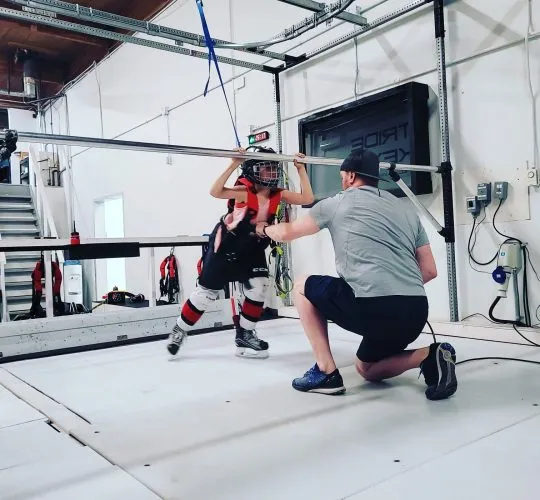
Professional coaching can help players identify weaknesses in their skating technique. Video analysis is commonly used to evaluate stride mechanics and pinpoint areas for improvement.
Coaches may focus on posture, push angle, recovery timing, or edge usage during training sessions. Small technical adjustments often lead to noticeable improvements in skating efficiency.
Structured feedback helps players develop consistent habits that support long-term performance gains.
Building Consistency Through Practice
Improving skating stride length requires consistent practice over time. Strength, flexibility, and skating mechanics develop gradually through repeated training.
Players benefit from combining technical skating drills with conditioning and strength programs. Consistency is essential for building muscle memory and improving movement efficiency.
Athletes who regularly focus on skating fundamentals often experience improvements in speed, endurance, and overall on-ice confidence.
For hockey players seeking better performance, understanding How do you increase your stride length is an important step toward improving skating power and efficiency. Through proper technique, strength development, flexibility training, and focused practice, players can enhance their skating ability and move more effectively on the ice.
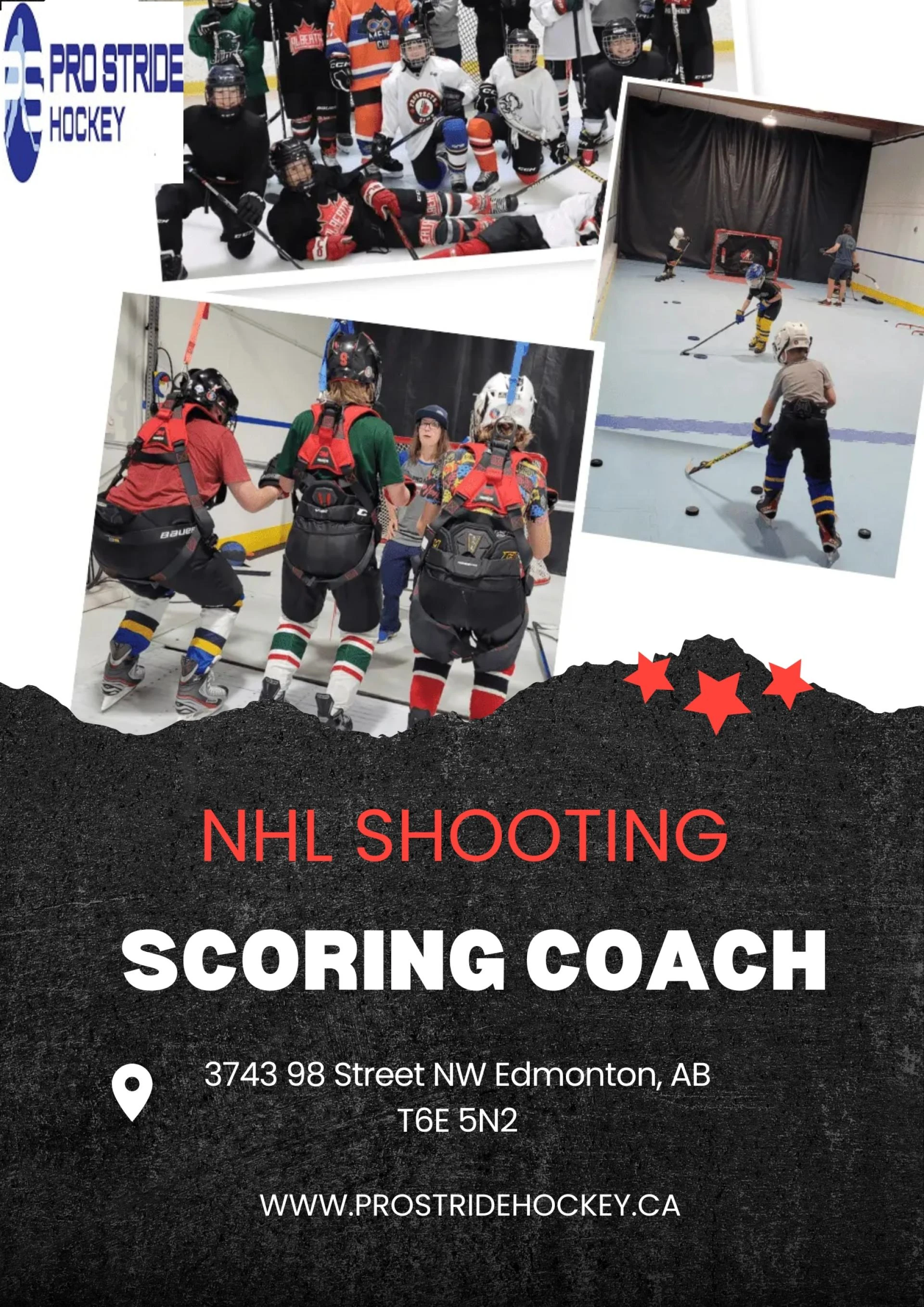
Pro Stride Hockey supports hockey skill development by focusing on skating performance, training techniques, and athlete improvement programs designed to help players build speed, balance, and confidence.


























Sign in to leave a comment.