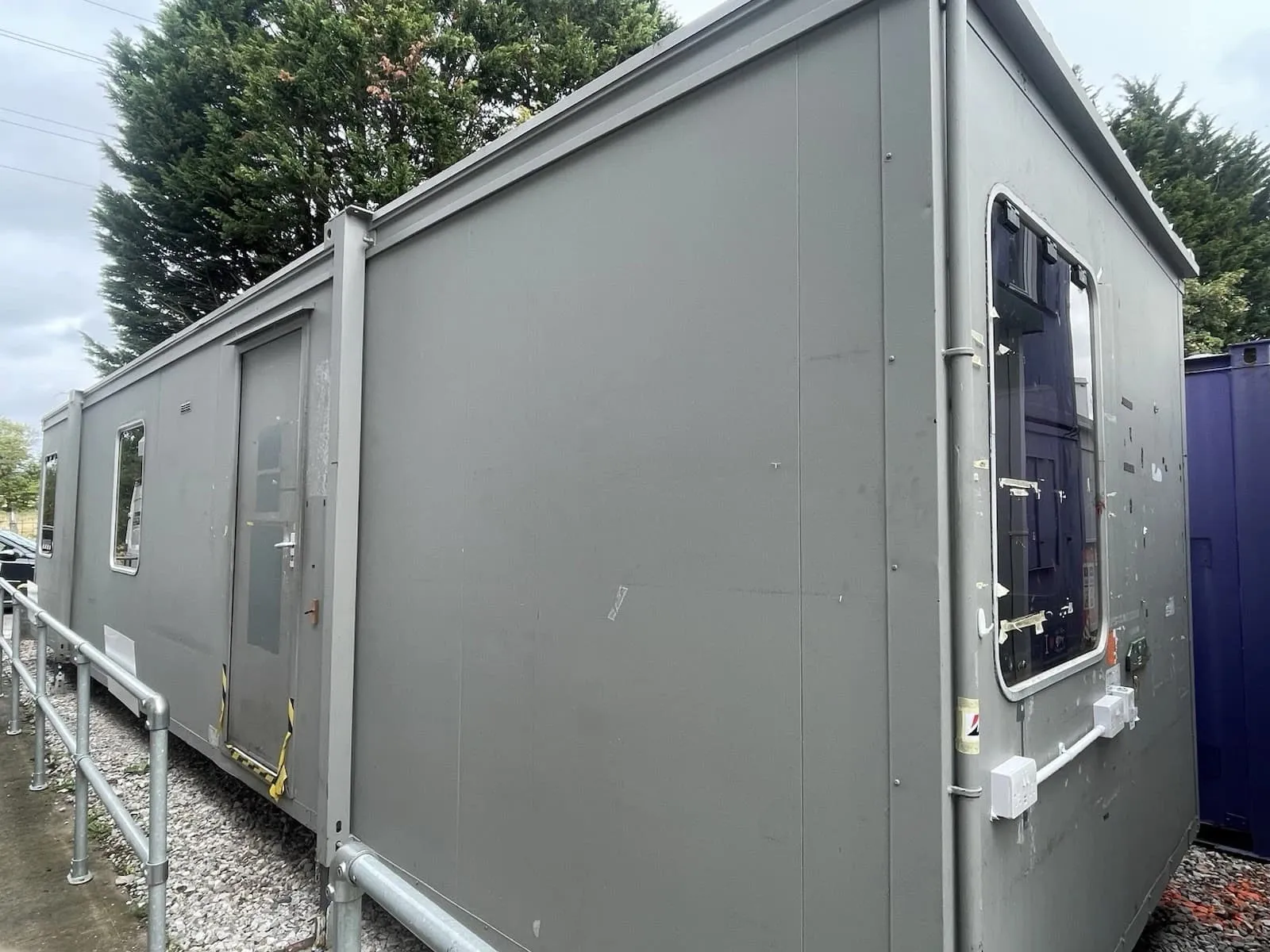

Modern businesses often face changing workspace requirements as teams expand, projects develop, and operational priorities evolve. A fixed office may not always provide enough room or the flexibility required to respond to these changes effectively. A portable office can provide adaptable accommodation for businesses seeking additional workspace without immediately undertaking extensive permanent construction. These offices can support administration, meetings, project management, staff activities, and temporary operations. With suitable planning, businesses can create comfortable and practical working environments that make efficient use of available space while allowing accommodation to respond to future requirements.
Understanding Flexible Workplace Requirements
Workplace flexibility involves creating environments that can accommodate changing business activities without requiring major structural alterations. Organisations may need additional offices because of recruitment, expansion, refurbishment, temporary projects, or relocation. Flexible accommodation can help provide suitable space during these periods while existing facilities continue to operate. A portable office can be designed around specific requirements, including workstations, meeting areas, storage, lighting, heating, ventilation, and electrical infrastructure. This approach allows businesses to develop accommodation that supports their immediate activities while retaining opportunities to adapt the space as circumstances change.
Responding to Business Growth
Growth can place significant pressure on existing office facilities. New employees require suitable workstations, while expanding departments may need additional meeting rooms and storage. A portable workspace can provide extra capacity without requiring the entire business premises to be redesigned. Separate accommodation can also help organise different departments or project teams. By creating additional working space, businesses can reduce overcrowding and provide employees with more suitable environments. This can be particularly useful while longer term expansion plans are being considered or permanent construction is being arranged.
Supporting Temporary Requirements
Not every business space requirement is permanent. Refurbishment projects, temporary contracts, seasonal demand, and relocation can all create short or medium term accommodation needs. A portable office can provide an alternative workspace while existing facilities are unavailable or insufficient. Employees can continue working in dedicated accommodation while construction or refurbishment takes place elsewhere. Project teams can also use temporary offices near operational sites. This flexibility allows businesses to respond to temporary circumstances without redesigning permanent premises around requirements that may only last for a limited period.
Designing a Practical Portable Workspace
The effectiveness of a portable office depends largely on how the internal space is planned. Workstations, storage, meeting areas, doors, windows, and equipment should be positioned according to everyday activities. Businesses should consider how many people will use the office and what equipment they require. Clear circulation routes can make movement easier, while internal partitions can provide privacy when necessary. Electrical outlets and communication connections should also be located conveniently. A carefully planned layout can help ensure that every part of the available space contributes to a functional and organised workplace.
Creating Efficient Workstations
Workstations should provide employees with enough room for desks, chairs, equipment, and comfortable movement. Computers, monitors, phones, and other devices require suitable power connections, while employees may also need access to storage and communication facilities. Desk arrangements can be selected according to whether the team requires collaboration, concentration, or a combination of both. The placement of workstations should also consider natural light and ventilation. By planning these elements together, businesses can create an office that supports productive working practices while avoiding unnecessary use of limited floor space.
Incorporating Meeting Areas
Meetings are an important part of many business operations, so dedicated discussion areas can improve workplace functionality. A separate meeting room can provide privacy for management discussions, client conversations, interviews, or team planning. Where space is limited, a flexible area can serve multiple purposes by accommodating meetings, training sessions, and collaborative activities. Tables and chairs can be selected to suit the available area, while suitable lighting and technology connections can support presentations and video meetings. This approach can help businesses make better use of the available accommodation without requiring separate rooms for every activity.
Creating Comfortable Working Conditions
A productive office should provide suitable conditions for employees throughout the working day. Insulation can help regulate internal temperatures, while heating systems can provide warmth during colder periods. Ventilation can support air circulation and contribute to a comfortable environment. Lighting should provide sufficient visibility for computer work, reading, meetings, and administrative activities. Windows can introduce natural light and provide external views where appropriate. Internal finishes and flooring can also influence the overall atmosphere. By considering these features during planning, businesses can create portable accommodation that feels professional and comfortable.
Improving Natural Light
Natural light can help create a brighter and more welcoming workplace. Windows can be positioned to introduce daylight while considering privacy, security, furniture placement, and internal partitions. Artificial lighting remains necessary where daylight is limited or when the office operates during darker hours. Different areas may require different lighting levels depending on their intended activities. Workstations may need focused illumination, while meeting areas can benefit from balanced general lighting. A thoughtful combination of natural and artificial light can contribute to a more practical working environment throughout different times of the day.
Maintaining Good Ventilation
Ventilation is important in enclosed workplaces where several employees may work alongside computers and other equipment. Suitable ventilation systems can help maintain air circulation and support comfortable internal conditions. Requirements depend on factors such as occupancy, building size, activities, and local environmental conditions. Businesses should consider ventilation alongside insulation and heating when planning the office. This can help ensure that internal conditions remain suitable throughout the year. Regular maintenance of ventilation equipment can also help preserve performance and contribute to a comfortable workplace over the longer term.
Supporting Modern Business Technology
Modern offices depend heavily on digital technology, making reliable electrical and communication infrastructure essential. Computers, monitors, printers, phones, lighting, heating, and other equipment require convenient power connections. Internet connectivity can support cloud applications, digital communication, video meetings, and online administration. Planning these requirements during the initial design can help prevent clutter caused by unnecessary cables and temporary connections. Businesses can also consider future equipment needs when determining the location of electrical and communication points. A technology ready workspace can provide employees with the infrastructure required for modern business activities.
Managing Power and Data Connections
Different areas of an office may require different types of connections. Workstations can need multiple power outlets, while meeting spaces may require connections for screens, presentation systems, and conferencing equipment. Printers and shared devices should also be positioned near suitable power sources. Data connections can be planned alongside furniture arrangements to reduce cable lengths and maintain organisation. By considering these requirements before installation, businesses can create a cleaner and more efficient office environment. Future expansion should also be considered so that additional equipment can be accommodated without major alterations.
Organising Office Storage
Storage is important for maintaining an orderly workplace. Documents, stationery, equipment, and other materials need dedicated areas that remain accessible without taking up excessive floor space. Cabinets, shelves, cupboards, and other storage systems can be incorporated into the layout according to requirements. Confidential paperwork may require lockable storage, while frequently used materials should remain easy to access. Proper storage planning can help keep desks clear and circulation areas unobstructed. This contributes to a more organised office and allows employees to locate essential resources efficiently during their daily activities.
Portable Offices for Construction and Projects
Construction and infrastructure projects often require administrative facilities close to active work areas. A portable office can provide project managers, supervisors, engineers, and administrative teams with a dedicated environment for meetings, documentation, planning, and communication. Positioning the office near the project can reduce unnecessary travel and allow teams to remain connected to ongoing activities. The accommodation can be configured with workstations, storage, meeting areas, and suitable technology infrastructure. When project requirements change, the office may be adapted or relocated where appropriate, providing flexibility throughout different stages of project development.
Supporting Site Management
Site management requires coordination between different teams, contractors, suppliers, and project personnel. A dedicated office can provide a controlled environment where schedules, drawings, reports, and other documentation can be reviewed. Meetings can take place away from active construction areas, helping teams focus on planning and decision making. Secure storage can also protect important paperwork and equipment. By providing a defined administrative space, a portable office can support better organisation on busy sites. Its location should be planned carefully to provide convenient access while maintaining appropriate separation from active work zones.
Supporting Educational and Commercial Uses
Portable offices can also support organisations outside construction. Schools may require temporary administrative offices, staff rooms, or additional teaching accommodation during refurbishment or expansion. Commercial businesses may need reception areas, customer service offices, or additional workspace when existing premises become overcrowded. Industrial organisations can use portable offices for supervisors, engineers, and administrative teams. The ability to configure internal features allows the same type of accommodation to support different activities. This versatility makes portable offices relevant to organisations seeking practical workspace solutions for both temporary and longer term requirements.
Making Efficient Use of Available Land
Businesses often operate from sites where available land is limited. A portable office can provide additional accommodation within a defined footprint while allowing existing facilities to remain operational. Before installation, businesses should consider access routes, ground conditions, drainage, utility connections, parking, pedestrian movement, and surrounding buildings. The office should be positioned where employees and visitors can access it safely and conveniently. Effective site planning can help ensure that additional accommodation does not interfere with existing operations. It can also allow businesses to use underutilised areas more productively.
Planning for Future Flexibility
The best workspace solutions should consider future requirements as well as immediate needs. Employee numbers may increase, departments may change, and new projects may require different facilities. A flexible internal layout can make it easier to adapt the office for another purpose. Additional power points, movable furniture, adaptable partitions, and practical storage can also support future changes. Businesses should consider whether the office could eventually become a meeting room, training area, project office, or administrative facility. Forward planning can increase the usefulness of the accommodation over its operational lifespan.
Considering Quality and Maintenance
Quality and regular maintenance can influence the long term performance of portable accommodation. Businesses should consider the quality of insulation, roofing, windows, doors, flooring, electrical systems, heating, ventilation, and internal finishes. The appropriate specification depends on how frequently the office will be used and the conditions at the installation site. Regular inspections can help identify issues before they affect business activities. Cleaning, servicing, and timely repairs can preserve comfort and functionality. Proper maintenance can also help the office maintain a professional appearance for employees, clients, contractors, and visitors.
Conclusion
Flexible workspace can help businesses respond to growth, temporary projects, refurbishment, changing teams, and evolving operational requirements. A portable office can provide practical accommodation for administration, meetings, project management, staff activities, and other workplace functions. With careful attention to layout, comfort, technology, storage, security, site planning, and future flexibility, portable accommodation can become a valuable part of a business workspace strategy. Organisations should assess their current and future needs before selecting a suitable solution. Halletts Spaces provides adaptable workspace options designed to support businesses seeking practical accommodation that can respond to changing operational demands.





















Sign in to leave a comment.