
Introduction: Nurturing Global Citizens from the Start
In today’s interconnected world, introducing cultural awareness early on is more important than ever. Cultural studies help children grow into compassionate, informed individuals who appreciate diversity and different worldviews. These lessons go beyond geography—they build character, empathy, and curiosity, laying a strong foundation for lifelong learning.
Why Cultural Studies Matter in Early Childhood Education
The early years shape how children perceive themselves and others. Including cultural themes:
- Promotes empathy and understanding
- Encourages curiosity about the world
- Reduces stereotypes and biases
- Builds inclusive classroom communities
When children learn about different cultures, they gain respect for people who live, think, and celebrate differently from them.
Benefits of Cultural Studies in the Classroom
Fosters Respect and Inclusion
Teaching about global traditions helps children appreciate differences and see them as strengths rather than obstacles.
Enhances Language and Communication
Cultural lessons often include new vocabulary, songs, and stories—boosting both verbal skills and social interaction.
Strengthens Critical Thinking
Exploring how different communities solve problems or celebrate milestones helps children broaden their thinking and challenge assumptions.
Brings Learning to Life
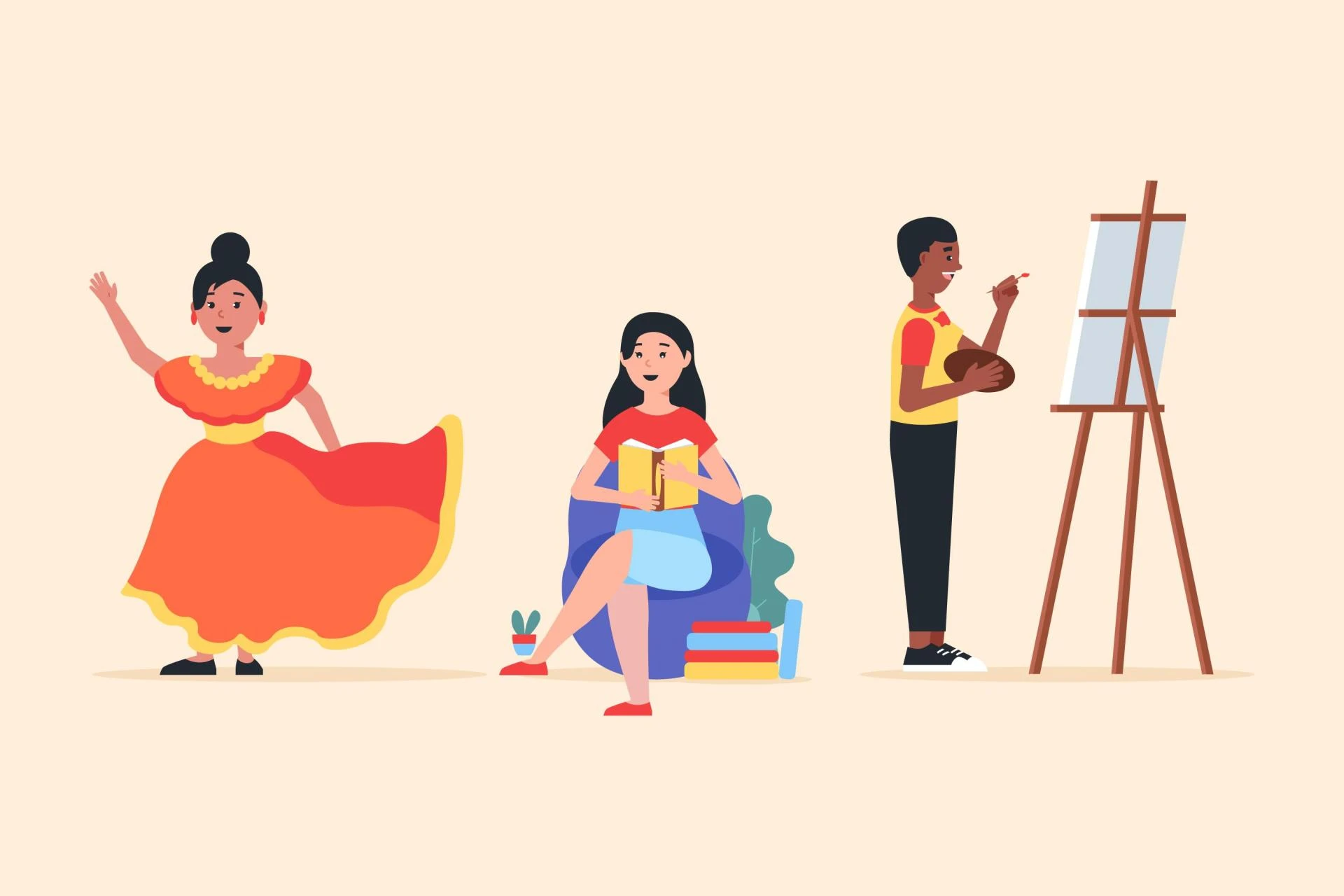
Hands-on cultural activities—like making art, cooking, or dancing—make education vibrant and memorable.
Simple Ways to Introduce Cultural Studies
Use Thematic Activities
Focus on one culture or region each month. Include food, stories, music, crafts, and language exposure.
Celebrate Global Traditions
Marking holidays from around the world gives students firsthand experiences of cultural values and customs.
Read Diverse Books
Books with characters from different backgrounds expand children’s worldview and build emotional connections to diverse perspectives.
Engage Families and Communities
Invite parents or local guests to share traditions and stories, adding authenticity to classroom discussions.
Conclusion: Education that Builds Bridges
Cultural studies in early education create more than just knowledge—they create understanding. When schools embrace these lessons, they nurture children who are ready to lead with empathy and curiosity. This is why schools like the Montessori School of Downtown value cultural education as a vital part of their curriculum, staying true to the legacy of Maria Montessori, who believed education should unite rather than divide.
























Sign in to leave a comment.