For American travelers seeking an extraordinary luxury wildlife holiday, the choice often narrows to two iconic destinations: South Africa’s Kruger National Park and India’s legendary tiger reserves. While Kruger has long been associated with classic African safaris, a Central India Tiger Safari delivers something far rarer—intimate encounters with the world’s most powerful big cat, wrapped in heritage, privacy, and refined luxury that feels deeply personal rather than mass-market.
Central India’s forests are not just wildlife destinations; they are ancient landscapes where nature, royalty, and conservation intersect. For discerning US travelers who value exclusivity, meaningful encounters, and five-star comfort, Central India increasingly stands out as the superior luxury safari choice.
Central India Tiger Safari vs Kruger: Which Experience Delivers True Big-Cat Intimacy for American Travelers?
Kruger National Park is vast and impressive, but its size can be a double-edged sword. With open roads, self-drive visitors, and high vehicle density near popular sightings, wildlife encounters can sometimes feel crowded and distant. The experience is undeniably iconic, yet often shared.
A Central India Tiger Safari, by contrast, is built around controlled access and exclusivity. Reserves such as Bandhavgarh, Kanha, Pench, and Tadoba operate with strict entry limits, regulated safari zones, and capped vehicles per route. This means fewer jeeps, quieter forests, and longer, more immersive sightings.
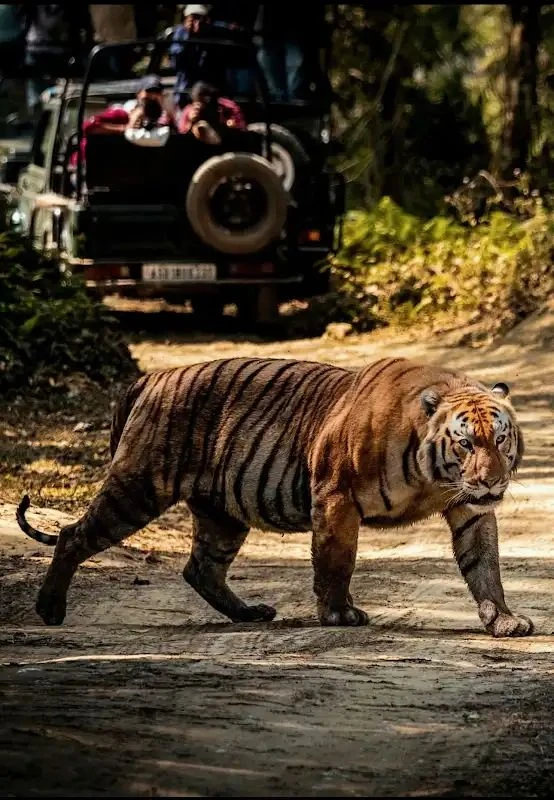
What truly elevates Central India for American luxury travelers is the emotional intensity of a tiger encounter. Tigers are solitary, territorial, and deeply expressive animals. Watching one walk confidently along a forest track, mark its territory, or lock eyes with your vehicle from just a few yards away is profoundly different from observing wildlife at a distance. The forests are denser, the encounters closer, and the silence more powerful. This is not a checklist safari—it is an unforgettable, heart-stopping experience.
Morning and Evening Game Drives: How Central India Maximizes Prime Tiger Sightings
Timing is everything in wildlife travel. Unlike Kruger, where game drives often follow broader schedules across expansive terrain, Central India’s reserves are optimized specifically for tiger behavior.
A Central India Tiger Safari typically includes both early morning and late afternoon game drives, precisely when tigers are most active. Morning safaris often begin at dawn, when mist hangs low over sal forests and tigers return from night patrols. These hours are ideal for sightings along forest paths and water sources.
Evening drives offer a different magic. As temperatures cool, tigers emerge again, sometimes walking openly on trails or resting near lakes. The golden light filtering through teak and bamboo forests creates cinematic moments that photographers and nature lovers cherish.
This structured approach, combined with limited safari zones and expert tracking, dramatically increases sighting probability. Many American travelers are surprised to learn that Central India boasts some of the highest tiger density in the world, making repeated sightings across multiple drives not just possible, but likely.
Central India Tiger Safari Lodges with Spa Rituals, Fine Dining, and Jungle-Facing Suites
Luxury in Central India is understated, refined, and deeply connected to nature. While Kruger offers excellent lodges, many operate on a large scale. In contrast, Central India Tiger Safari lodges focus on intimacy, privacy, and heritage-inspired elegance.
Imagine waking up in a spacious jungle-facing suite, with floor-to-ceiling windows opening onto ancient forests. The design blends local architecture with modern comforts—private decks, plunge pools, handcrafted furnishings, and personalized service.
After a thrilling game drive, guests return to indulgent spa rituals inspired by Ayurveda, designed to restore balance after early mornings and exciting encounters. Dining is equally elevated, with gourmet menus featuring fresh regional ingredients, fine wines, and customized meals prepared by private chefs.
Evenings are unhurried and serene. Instead of crowded lodge lounges, guests enjoy quiet sundowners by fire pits, storytelling sessions with naturalists, or candlelit dinners under the stars. For American travelers accustomed to luxury resorts, Central India delivers a more soulful, exclusive experience that feels worlds away from everyday life.
The Role of Expert Naturalists and Personalized Itinerary: Why Central India’s Safari Guides Elevate Every Wildlife Encounter
One of the most defining differences between Kruger and a Central India Tiger Safari is the role of the guide. In Central India, safari naturalists are not just drivers—they are scholars, conservationists, and storytellers.
Most guides have spent decades in the same reserve, tracking individual tigers across generations. They recognize animals by stripe patterns, understand their personalities, and anticipate movements based on subtle forest cues. This deep familiarity transforms each safari into a narrative rather than a random search.
For American travelers, itineraries are highly personalized. Safaris are planned around guest interests, whether photography, birding, or relaxed wildlife viewing. Vehicles are private, pacing is flexible, and experiences are curated with precision.
Beyond tigers, naturalists interpret the entire ecosystem—explaining alarm calls, predator-prey relationships, and the cultural significance of forests in Indian history. This intellectual depth adds layers of meaning to every sighting, making the journey both thrilling and enriching.
The Ideal Time To Plan Your Central India Tiger Safari For The Best Tiger Sightings
Choosing the right season is essential for maximizing your Central India Tiger Safari experience. The prime safari season typically runs from October to June, with each period offering distinct advantages.
The winter months, from November to February, are ideal for American travelers seeking comfortable temperatures and lush landscapes. Wildlife sightings are frequent, and the forests are vibrant after the monsoon.
From March to May, as temperatures rise, sightings become even more dramatic. Tigers are often seen near water sources, and visibility improves as vegetation thins. While warmer, this period offers exceptional photographic opportunities and a higher probability of repeated sightings.
Unlike Kruger, which can be visited year-round but varies widely in experience, Central India offers a clearly defined safari calendar optimized for tiger viewing. With expert planning, travelers can select the season that best aligns with their comfort, interests, and expectations.
FAQs: Central India Tiger Safari
1. Is a Central India Tiger Safari suitable for first-time safari travelers from the US?
Yes. Central India is exceptionally well-suited for first-time safari travelers due to its high tiger density, structured game drives, luxury lodges, and expert guides who ensure a smooth, comfortable experience.
2. How does safety compare between Central India and Kruger safaris?
Central India safaris are highly regulated with trained guides, controlled park entry, and strict conservation protocols. Luxury lodges maintain international safety and hygiene standards, making it very safe for American travelers.
3. How many days are ideal for a Central India Tiger Safari?
A stay of 5 to 7 nights, including multiple game drives, is ideal. This allows guests to explore different zones, increase sighting opportunities, and enjoy the lodge experience without rushing.
4. Can a Central India Tiger Safari be combined with other luxury experiences in India?
Absolutely. Many American travelers combine tiger safaris with the Golden Triangle, Rajasthan palaces, or wellness retreats, creating a well-rounded luxury journey.
5. What makes Central India better than Kruger for tiger-focused travel?
Central India offers higher tiger density, closer sightings, fewer vehicles, and deeply personalized safaris. For travelers specifically seeking big-cat intimacy, it is unmatched globally.

























Sign in to leave a comment.