
Market Overview
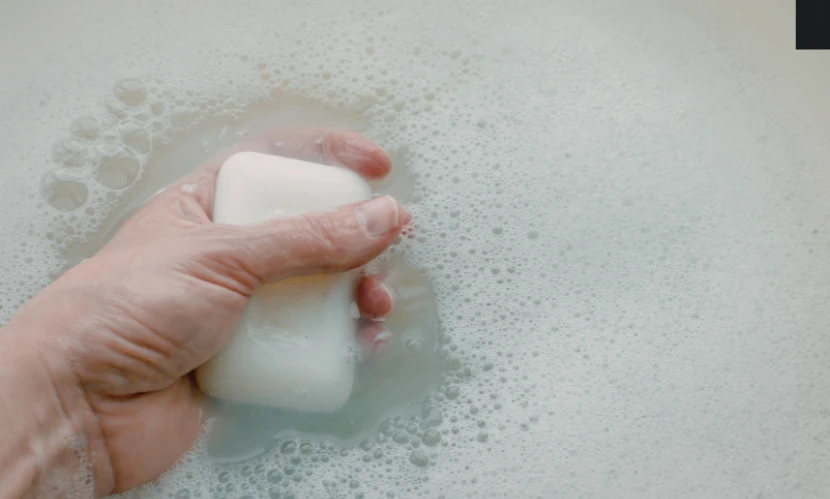
The India soap market share was valued at approximately USD 4.03 billion in 2025 and is projected to grow at a CAGR of 6.80% between 2026 and 2035, reaching nearly USD 7.78 billion by 2035. The market continues to expand steadily due to rising hygiene awareness, population growth, increasing disposable incomes, and the expansion of organized retail. Soap remains an essential household product across urban and rural India, making it a highly penetrated and volume-driven segment within the broader personal and home care industry.
While conventional soap dominates market share due to affordability and mass consumption, organic and herbal variants are witnessing faster growth, driven by rising consumer preference for natural and chemical-free formulations.
Growth Drivers
One of the primary growth drivers of the India soap market is increasing awareness of personal hygiene and sanitation. Government initiatives promoting cleanliness and handwashing practices, along with heightened health consciousness following recent public health concerns, have significantly strengthened soap consumption across all income groups.
Rising disposable incomes and urbanization are further supporting demand for premium and specialized soap products. Consumers are increasingly willing to pay higher prices for value-added features such as moisturizing properties, herbal ingredients, antibacterial protection, and dermatologically tested formulations.
The growth of rural markets also plays a critical role. With improving distribution networks, better road connectivity, and digital penetration, manufacturers are successfully expanding their footprint in Tier II and Tier III cities and villages. Affordable pricing strategies and smaller packaging formats are driving volume growth in these regions.
Another key driver is product innovation. Companies are introducing soaps infused with ayurvedic, organic, and skin-nourishing ingredients such as neem, aloe vera, turmeric, and essential oils. This innovation supports brand differentiation and encourages repeat purchases.
The rapid expansion of supermarkets, hypermarkets, and modern retail chains has improved product visibility and accessibility. Additionally, e-commerce platforms are emerging as an important distribution channel, particularly for premium and organic soap brands.
Market Challenges
Despite steady growth, the India soap market faces several challenges. Intense competition among established multinational corporations and domestic players creates pricing pressure and margin constraints. The market is highly saturated in urban areas, limiting opportunities for rapid expansion without aggressive promotional strategies.
Fluctuations in raw material prices, particularly vegetable oils and palm oil derivatives used in soap manufacturing, pose a significant challenge. Volatility in input costs can impact profit margins, especially for small and medium-sized manufacturers.
The growing presence of counterfeit and unorganized local brands also affects market dynamics. These low-cost alternatives attract price-sensitive consumers, particularly in rural markets, impacting branded product sales.
Environmental concerns regarding plastic packaging and sustainability expectations from consumers are pushing companies to invest in eco-friendly packaging solutions. However, such transitions may increase operational costs.
Market Segmentation Analysis
By type, the market is segmented into organic and conventional soaps. Conventional soaps hold the largest share due to affordability and widespread availability. However, organic soaps are expected to witness faster growth during the forecast period as consumers increasingly prefer natural and chemical-free personal care products.
By form, the market includes liquid, solid, and other forms. Solid soaps dominate the Indian market owing to their cost-effectiveness and long-standing consumer familiarity. Liquid soaps, however, are gaining popularity in urban households and commercial establishments such as offices, hotels, and healthcare facilities due to convenience and hygiene benefits.
By product, the market is segmented into bath soap, kitchen soap, laundry soap, and others. Bath soaps account for the largest share, driven by daily personal hygiene needs. Laundry soaps remain popular in semi-urban and rural areas due to affordability. Kitchen soaps are gaining traction as awareness regarding food hygiene increases.
By application, the market is divided into household and commercial segments. The household segment dominates overall demand due to large population size and daily consumption patterns. The commercial segment, including hospitality, healthcare, and institutional buyers, is witnessing steady growth driven by expanding service industries.
By distribution channel, supermarkets and hypermarkets hold a significant share in urban markets due to wide product variety and promotional activities. Other channels, including local kirana stores and online platforms, play a crucial role in rural and semi-urban distribution.
Regional Analysis
North India holds a substantial share of the soap market due to high population density and strong distribution networks. South India represents a mature and competitive market, with strong demand for herbal and ayurvedic soap products.
West India benefits from urbanization and industrial growth, particularly in Maharashtra and Gujarat. East India is emerging as a high-growth region due to rising rural penetration and increasing consumer awareness.
Rural India collectively accounts for a significant portion of total soap consumption, and companies are increasingly focusing on expanding their presence in these markets through rural marketing campaigns and low-unit packs.
Competitive Landscape
The India soap market is highly competitive and characterized by the presence of both multinational and domestic players. Key companies operating in the market include Godrej Consumer Products Limited, Hindustan Unilever Limited, Procter & Gamble Hygiene and Health Care, ITC Limited, and Himalaya Wellness Company.
These players focus on product innovation, brand positioning, aggressive advertising, and strategic pricing to maintain market share. Mergers, acquisitions, and expansion into herbal and organic product lines are common strategies adopted to strengthen competitive positioning.

























Sign in to leave a comment.