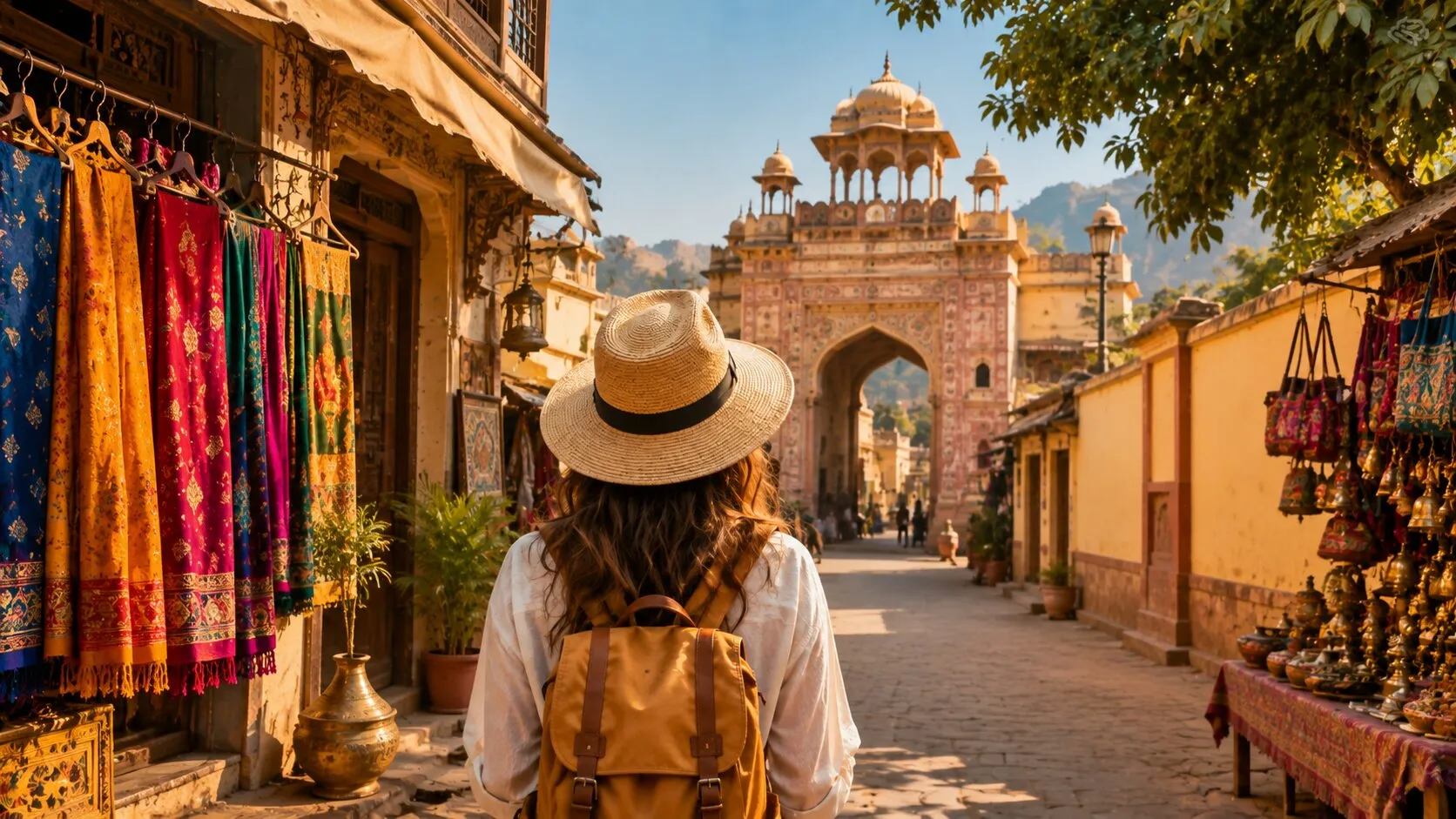

If you leave the most popular tourist spots in India, you’re bound to find yourself in a bustling market, which is in fact the center of life in this country. Before the age of shopping malls and modern storefronts, local markets were where families met, exchanged goods, discussed their everyday lives, and celebrated. The local markets are not about shopping; they are vibrant museums still alive in India.
Why Local Markets Are a Must-Visit in India
You can explore all the monuments in a city, but you will still be unaware of its daily life. Local markets provide a glimpse of chaotic day-to-day activities of a civilization, where vendors are engaged in intense bargaining, exquisite spices are being weighed, and absolutely delicious chai is being served while people converse. A perfect example of pure spontaneity!
Unlike the popular tourist sites, markets can’t cater to visitors as they are not created for entertainment but merely exist day after day. It is this authenticity that gives them their charm. By visiting markets, one would get the opportunity to talk to local people doing grocery shopping, overhear business conversations between the sellers, and experience the local life like never before.
What You Can Buy in Indian Local Markets
From hand-stitched fabrics and silver accessories to leather shoes, condiments, street snacks, and interesting souvenirs, Indian marketplaces are full of diverse options for visitors. It is acceptable to haggle; in fact, it is considered a local sport in many places.
Here is brief overview of what one encounters usually:
- Fabrics - block print cotton, embroidered shawls, silk saris and pashmina shawls.
- Jewelry - oxidized silver ornaments, Kundan and Meenakari designs, bridal collections.
- Street food - samosas, kebabs, chaat, Jalebi and other regional sweets that cannot be found at the restaurants.
- Decor items - lamps made of brass, hand-painted vessels, wooden statuettes and embroidered cushions.
- Leather products - shoes, bags, belts and other items that are often handmade instantaneously.
- Spices and other cooking items - mixes, pickles, henna and incense sticks.
The right approach is to look around first, check prices at a few stalls, and only then start bargaining; usually, patience leads to a better deal.
Read Also: How to Plan a Golden Triangle India Tour
Top Famous Local Markets in India You Should Explore
Chandni Chowk, Delhi
Chandni Chowk, a historic shopping center in India, dates back to the 17th century. It is a maze of small roads filled with shops selling jewelry and spices, as well as street food like Parathas and Jalebis. Each street has its own specialty. While wandering through Chandni Chowk, you will be able to witness the hustle and bustle of this area.
Johari Bazaar, Jaipur
Located inside the Pink City, this market boasts gemstones, traditional Rajasthani jewelry, and elaborate Lehengas. Jaipur has always been a renowned site for gem cutting and polishing and Johari Bazaar continues this tradition with many shops full of all kinds of Kundan, Meenakari, and precious stone jewelry that you will not find anywhere else.
Laad Bazaar, Hyderabad
Located right next to Charminar, this market has been the source of bridal shopping for generations of brides in Hyderabad. It is best known for its lac bangles embellished with mirror and stone work in colors you can ever think of. However, you don’t need to get married to enjoy a visit to this fascinating place!
Colaba Causeway, Mumbai
This one definitely has a different feel; it is more dandy style, more urban style, and much less classical bazaar. Just imagine hip ornaments, antique jewellery and fashionable clothes, all rub shoulders with cozy cafes, where you can sit and enjoy observing the people around you as well. It is a great spot for students and young natives who are after something inexpensive and fashionable.
New Market, Kolkata
New Market was constructed in the 1870s and still exhibits the wonderful colonial charm. The New Market has the clock tower and buildings built according to the Gothic style. It is a wonderful place to buy apparel, leather products and gifts, including for wedding season.
Devaraja Market, Mysore
This event is truly a visual delight; consider the numerous marigold garlands, fresh fruits, and vibrant incense and turmeric arranged in the pattern of small monuments. This is the place to witness the vivid aspect of Indian bazaars.
Essential Tips for Tourists: Shopping Timing, and Traveling
A bit of preparation makes going to the market much easier.
1. Start off early or go in the evening. This can be especially important during the summer, when afternoons can be unbearably hot.
2. Take cash with you. Most small sellers don’t accept card payments or UPI.
3. Bargain, but try to do it politely. Try bargaining at a couple of stalls and then do it politely.
4. Keep an eye on your belongings. The crowds can get quite thick, so keep your belongings in a zipped bag.
5. Make sure to wear comfy shoes. You’ll be walking a lot, on very uneven surfaces.
6. Take breaks if you feel that it’s necessary. If you feel overwhelmed with the noise and the crowds, take a break at a cafe nearby.
How to Travel Between These Markets
You can choose from various modes of transport to navigate Indian markets, depending on the distance and location. Walking, auto-rickshaws, and e-rickshaws are convenient options for short distances within crowded market areas. It is beneficial to plan your route in advance, travel during off-peak hours to avoid crowds, carry both cash and digital payment options, and keep a close watch on your belongings in busy markets.
In large cities, the metro, buses, and local trains are often the fastest and most affordable ways to reach different markets. For inter-city travel such as from Delhi to Jaipur or Mumbai to Hyderabad—hiring a taxi or an app-based cab offers greater comfort, especially for long journeys or when carrying multiple shopping bags. This allows you to travel at your own pace, stop at scenic spots, explore local attractions along the way, and enjoy a hassle-free journey. For families or groups, traveling by car can also be a cost-effective and convenient option, particularly when carrying a lot of luggage.
Conclusion
Local markets in India are not only about making purchases, but they also represent a culture. Be it buying a scarf in Jaipur, seeing Delhi historical sites, or flower garlands made in Mysore, these markets offer an experience that shopping malls simply won’t give. The only thing markets expect in return is a small dose of curiosity and patience.






















Sign in to leave a comment.