

Picture this: you've just settled down on your favorite couch, cozying up with a good book, or perhaps catching up on your favorite TV series. The ambiance is perfect, and everything seems idyllic until you start sneezing uncontrollably, your eyes watering, and that pesky itch in your throat. Indoor allergies can be a real buzzkill, but fear not, for we're here to help you reclaim your indoor comfort zone.
In this blog, we'll explore the most common indoor allergens and how to identify and eliminate them. Plus, we'll uncover the secrets to finding relief through a nasal spray for allergy relief, even delving into the benefits of a prescription nasal spray. So, let's clear the air, quite literally!
1. Dust Mites: Tiny Menaces Lurking in Your Bedding
These microscopic creatures are a major cause of indoor allergies. Dust mites thrive in your bedding, pillows, and upholstered furniture, feeding on dead skin cells. To keep them at bay, wash your bedding in hot water regularly, and invest in allergen-proof covers for your pillows and mattress.
2. Pollen: Sneaky Outdoor Invaders
Pollen can be a persistent indoor allergen, especially during the warmer months when we leave windows open. Ensure your windows have proper screens to prevent pollen from entering. Regularly cleaning and dusting surfaces can also help minimize pollen buildup.
3. Pet Dander: Your Furry Friends May Be to Blame
Our beloved pets can be a source of allergens. Pet dander, tiny flakes of skin, and proteins from their saliva or urine can trigger allergic reactions. Frequent grooming, cleaning, and using an air purifier can help mitigate the impact of pet dander.
4. Mold: The Unseen Intruder
Mold loves dark, damp places, making bathrooms, basements, and kitchens its favorite hideouts. To tackle mold, ensure proper ventilation, fix any leaks, and use mold-resistant paints in moisture-prone areas. Don't forget to keep your indoor humidity levels in check!
5. Cockroaches: The Creepy Crawlers
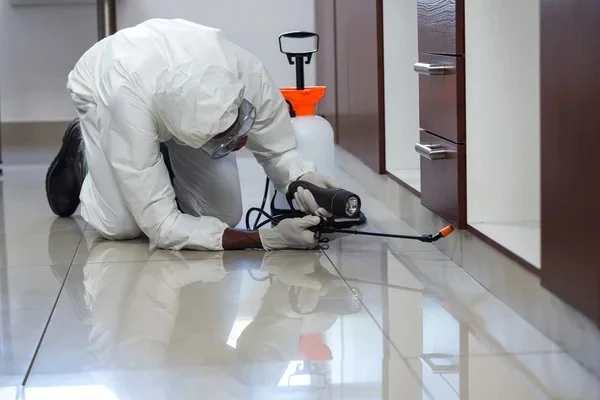
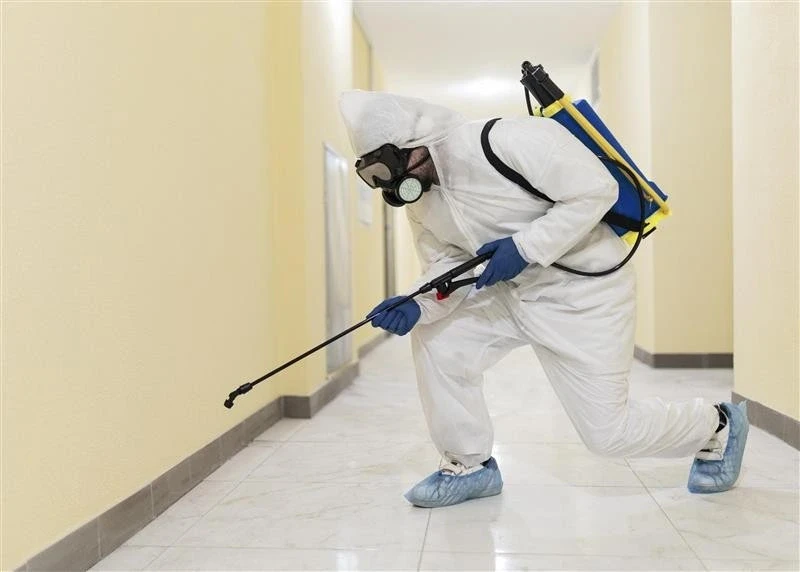
Cockroach droppings and saliva are notorious allergens. To prevent these unwelcome guests, keep your kitchen clean and seal any cracks or openings. Using cockroach baits and traps can also be an effective way to control infestations.
6. Smoke: Not Just Harmful to Your Lungs
Tobacco smoke and wood-burning stoves can introduce harmful particles into your indoor air. The best way to eliminate this indoor allergen is to establish a strict no-smoking policy inside your home. Properly maintaining and venting your wood-burning appliances can also help.
If your indoor allergies are less severe, over-the-counter nasal sprays can offer quick relief from symptoms. They work by reducing inflammation in your nasal passages, making it easier to breathe, and reducing congestion.
Indoor allergens can disrupt your peace and comfort at home, but with the right strategies, you can identify and eliminate common triggers. From dust mites to pet dander, and even prescription nasal sprays, you have an array of tools at your disposal to combat indoor allergies effectively. Take action today, and you'll be breathing easier and enjoying your indoor haven once again.








Sign in to leave a comment.