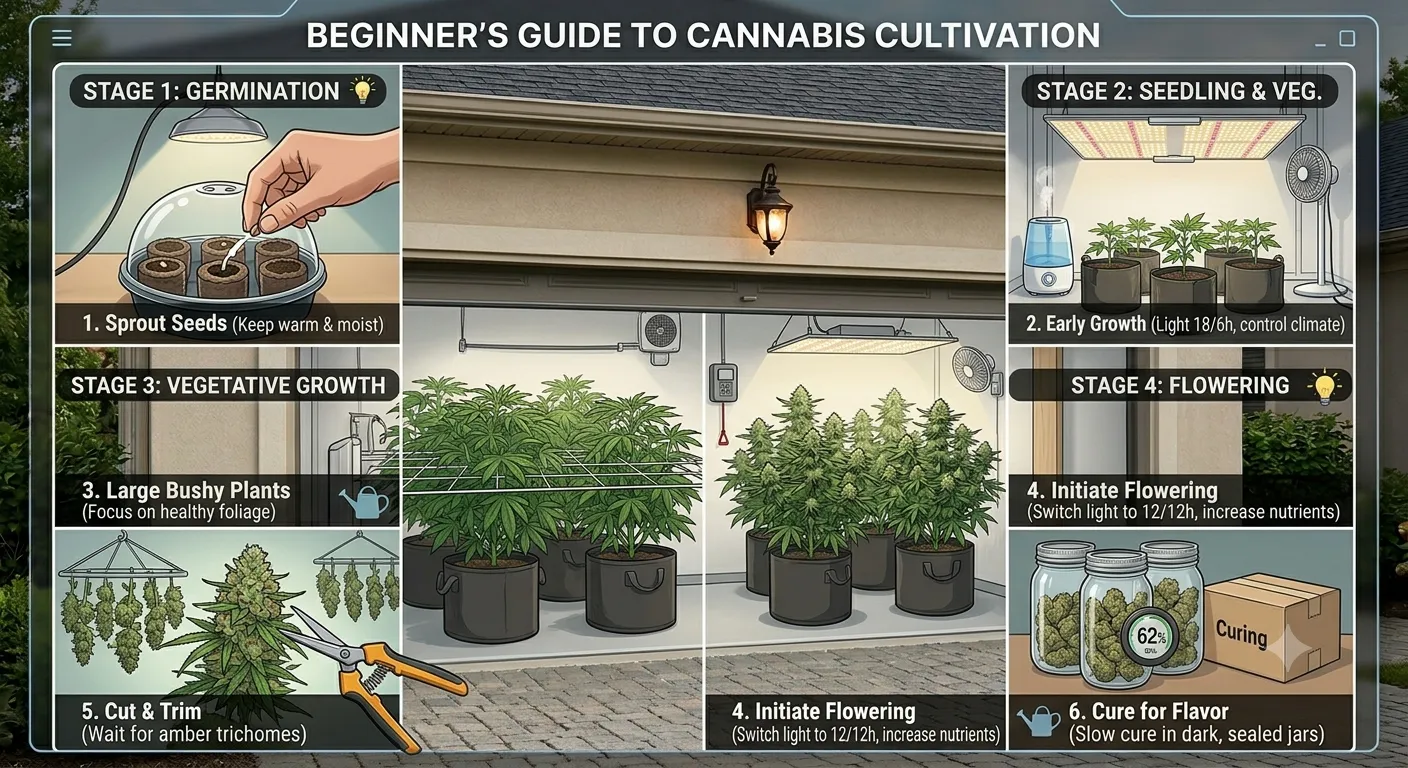

Indoor cannabis growing has become increasingly popular among gardening enthusiasts and commercial cultivators alike. By creating a controlled environment, growers can manage lighting, temperature, humidity, and airflow to support healthy plant development throughout the growing cycle. Whether you're new to cultivation or looking to improve your growing knowledge, understanding the fundamentals of indoor cannabis cultivation can help you achieve better results.
What Is Indoor Cannabis Growing?
Indoor cannabis growing refers to cultivating cannabis plants inside a controlled environment rather than outdoors. This environment can range from a small grow tent in a spare room to a large-scale commercial facility. The primary advantage of indoor cultivation is the ability to regulate environmental factors that directly affect plant growth.
Unlike outdoor cultivation, where weather conditions can be unpredictable, indoor cannabis growers can create optimal conditions year-round. This control often results in more consistent plant health and product quality.
Benefits of Indoor Cannabis Growing
Complete Environmental Control
One of the biggest advantages of indoor cannabis cultivation is the ability to control key environmental variables. Growers can adjust:
- Temperature
- Humidity
- Light intensity
- Air circulation
- Carbon dioxide levels
Maintaining stable conditions allows plants to grow with fewer environmental stresses.
Year-Round Cultivation
Indoor growing is not dependent on seasonal weather patterns. Growers can cultivate cannabis throughout the year, making it possible to maintain consistent production schedules.
Reduced Pest Exposure
Indoor environments generally provide greater protection from common outdoor pests and diseases. While pest management is still important, controlled spaces often reduce the risk of major infestations.
Greater Privacy
Indoor cultivation can offer increased privacy compared to outdoor growing, especially in urban environments where space may be limited.
Choosing the Right Indoor Growing Space
Before starting an indoor cannabis project, selecting an appropriate growing area is essential.
Popular indoor growing spaces include:
- Grow tents
- Spare rooms
- Basements
- Garages
- Dedicated grow facilities
The chosen space should have access to electricity, ventilation, and enough room for plants to grow comfortably.
Proper planning at the beginning can help avoid many common challenges later in the growing process.
Essential Equipment for Indoor Cannabis Growing
Grow Lights
Lighting is one of the most important components of any indoor cannabis setup.
Popular lighting options include:
LED Grow Lights
LED technology has become a preferred choice for many growers due to its energy efficiency and long lifespan.
Benefits include:
- Lower energy consumption
- Reduced heat output
- Excellent light spectrum coverage
High-Intensity Discharge (HID) Lights
Traditional HID systems such as High-Pressure Sodium (HPS) and Metal Halide (MH) lights are still used in some growing environments.
These systems provide strong light intensity but typically generate more heat than LEDs.
Ventilation Systems
Fresh air exchange is critical for healthy indoor cannabis growth.
A quality ventilation system helps:
- Regulate temperature
- Control humidity
- Reduce odors
- Improve airflow
Many growers use exhaust fans, intake fans, and carbon filters to maintain optimal growing conditions.
Growing Containers
Indoor cannabis can be grown in various container types, including:
- Fabric pots
- Plastic containers
- Air pots
- Hydroponic systems
The choice often depends on growing preferences and available space.
Selecting the Best Growing Medium
The growing medium provides support and nutrients for cannabis plants.
Soil
Soil remains one of the most beginner-friendly options.
Advantages include:
- Easy management
- Natural nutrient content
- Strong root support
Coco Coir
Coco coir is made from coconut husks and offers excellent water retention and aeration.
Many growers appreciate the balance between hydroponic performance and soil-like characteristics.
Hydroponic Systems
Hydroponic cultivation uses nutrient-rich water instead of soil.
Potential benefits include:
- Faster growth
- Efficient nutrient absorption
- Increased production potential
However, hydroponic systems often require more technical knowledge and monitoring.
Understanding Plant Growth Stages
Indoor cannabis plants move through several distinct growth phases.
Germination
This stage begins when seeds sprout and develop their first roots.
Healthy germination provides a strong foundation for future growth.
Seedling Stage
Seedlings establish their root systems and begin producing leaves.
Young plants require careful attention to lighting, moisture, and environmental conditions.
Vegetative Stage
During the vegetative phase, cannabis plants focus on developing stems, branches, and foliage.
This stage is crucial for building a strong plant structure.
Flowering Stage
The flowering phase is when plants begin producing flowers.
Environmental consistency becomes especially important during this stage.
Managing Temperature and Humidity
Successful indoor cannabis cultivation depends heavily on environmental management.
Temperature
Stable temperatures support healthy growth and reduce plant stress.
Extreme heat or cold can negatively impact development and overall plant health.
Humidity
Different growth stages require different humidity levels.
Managing humidity helps prevent:
- Mold growth
- Mildew issues
- Plant stress
Monitoring environmental conditions regularly is an important part of successful indoor cannabis cultivation.
Nutrient Management
Indoor cannabis plants require a balanced supply of nutrients.
Primary nutrients include:
- Nitrogen (N)
- Phosphorus (P)
- Potassium (K)
Secondary nutrients and micronutrients also contribute to healthy growth.
Proper nutrient management supports:
- Root development
- Leaf production
- Flower formation
Overfeeding and underfeeding can both create problems, so careful monitoring is essential.
Watering Best Practices
Water management is another key aspect of indoor cannabis growing.
Common mistakes include:
- Overwatering
- Underwatering
- Poor drainage
Healthy roots require both moisture and oxygen. Allowing the growing medium to dry appropriately between watering sessions can help promote strong root development.
Common Indoor Cannabis Challenges
Even experienced growers encounter challenges.
Common issues include:
Nutrient Deficiencies
Deficiencies can appear as discoloration, slowed growth, or leaf damage.
Heat Stress
Excessive heat may cause curling leaves and reduced plant performance.
Poor Airflow
Insufficient airflow can increase the risk of mold and pest problems.
Pest Infestations
Although indoor environments reduce exposure, pests can still enter through contaminated equipment, clothing, or new plants.
Regular inspections help identify problems early.
Where to Buy Quality Cannabis Products
Consumers who live in regions where cannabis is legally sold often choose licensed dispensaries and reputable cannabis brands known for quality standards and product consistency.
Some well-known companies in the legal cannabis market include:
- weedroads
- Green Thumb Industries (RISE Dispensaries)
- Trulieve
- Cresco Labs
- Verano Holdings
These companies operate within regulated markets and focus on quality assurance, testing, and compliance. Availability varies depending on local laws and regulations.
Final Thoughts
Indoor cannabis cultivation offers growers the opportunity to create a highly controlled environment that supports healthy plant development throughout the growing cycle. From selecting quality genetics and proper lighting to managing nutrients and environmental conditions, every aspect of the process contributes to overall success.
For beginners, learning the fundamentals of indoor cannabis growing can provide a strong foundation for future cultivation projects. With patience, careful planning, and consistent monitoring, growers can better understand plant development and create an efficient indoor growing environment while complying with local laws and regulations.
























Sign in to leave a comment.