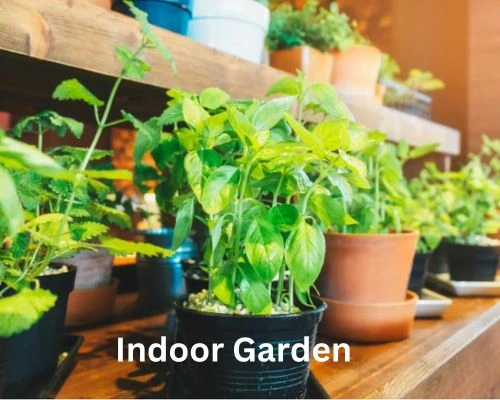

Indoor vegetable gardening can be a fun and rewarding hobby, especially for novice gardeners looking to grow fresh produce without the luxury of wide open spaces indoors. Whether you live in an apartment or want to try your green thumb indoors, it might be easier than you think! With a little patience, the right tools, and a few simple steps, you'll be enjoying fresh, home garden-grown vegetables from your kitchen or living room. Here are a few helpful tips to get started on growing vegetables indoors.
1. Choose Your Veggies
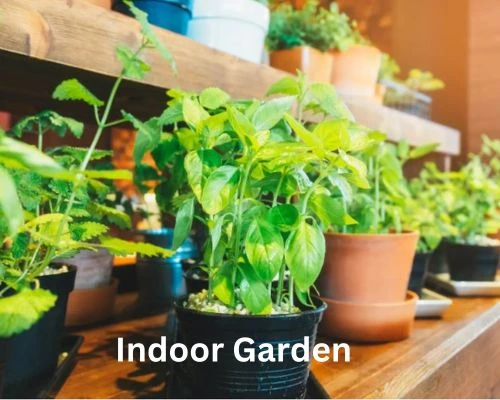
Not every vegetable can grow indoors; thus, a planter should think about plants that are good for growing indoors. The absolute best for beginners are leafy greens, which include lettuce, spinach, and kale; herbs such as basil, mint, and parsley; and small vegetables that can be radishes, cherry tomatoes, or peppers.
Try to start with some crops that won't require too much space and a not-too-high light requirement, as those crops are relatively easier to manage indoors. Think about the plant's growth cycle, too. Some vegetables mature much more slowly, so you want to be sure to choose fast-growing variants that thrive in an indoor setting.
2. Get the Right Containers
When growing vegetables indoors, one of the very important aspects is selecting the right containers for your plants. So make sure you select pots or containers with good drainage; one of the problems of waterlogged soil is root rot. You can use traditional plant pots or even repurpose items like old containers, as long as they have drainage holes.
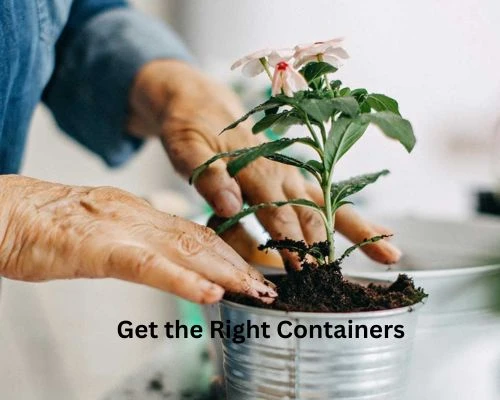
If you are trying multiple plants, use a container that is large enough to allow the roots ample space for spreading out. Such small pots will be okay for compact vegetables like herbs. And be sure to use saucers underneath your pots to catch any excess water!
3. Keep It Bright
Vegetables require light to grow, and the indoor environment often does not provide enough natural light; thus, artificial lighting is used. Aim for 6-8 hours of artificial light every day. If you can't find a sunny windowsill, consider getting grow lights. These special lights give your plants the full-spectrum light that they need for photosynthesis and growth.
If possible, place your plants by a south-facing window, for this will provide the maximum sunlight possible, but if there's insufficient sunlight in your house, some people have had great success with LED grow lights or fluorescent bulbs.
4. Watering and Humidity
The importance of proper watering cannot be overstated. Watering too much is a common mistake and can cause the roots to rot. Instead, water your plants when the soil feels dry about an inch below the surface. Make sure that excess water can drain away so that water-logged soil doesn't result.
Indoor plants sometimes suffer from low humidity, especially in winter. You can do something to add water vapor to the air and thus help your plants. Here, you can have a small humidifier or a tray of water that you can place close to your plants to create additional humidity. Lastly, you can also try misting your plants lightly.
5. Maintain Proper Temperature
Most vegetables grow comfortably at temperatures ranging from 60°F to 75°F (15°C to 24°C). Resist the urge to place your plants too close to any region where temperatures change rapidly, like near heaters or air conditioners. Rather, place your plants in a room where temperatures remain stable.
6. Regular Maintenance
Once you have your indoor vegetable garden started, you need to check your plants regularly. Make sure you regularly check for pests like aphids or spider mites and prune any dead or yellowing leaves to promote better growth. Apply very light organic plant food every few weeks to help guarantee your plants get the nutrients they need.
Conclusion
Indoor vegetable gardening is a wonderful way of growing your food at home, even if you don’t have a lot of outdoor space. By following these simple tips for beginners, you will be well on your way to enjoying fresh vegetables and herbs right from your kitchen. Consider wearing eye protection glasses while gardening indoors. With a little time, patience, and care, you’ll be harvesting your home-grown produce in no time!
























Sign in to leave a comment.