Inline Static Mixers for Efficient Industrial Blending

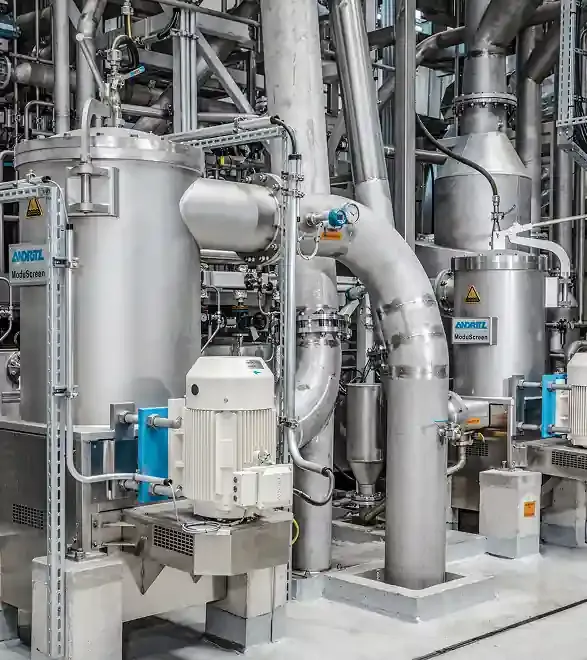
Achieving uniform mixing is an important requirement in industries that handle liquids, gases, and different chemical solutions. In many manufacturing processes, materials need to be blended continuously without relying on moving mechanical parts. An Inline Static Mixer provides a practical solution by combining different flowing materials inside a pipeline. Its design supports continuous mixing and makes it useful for applications where consistent material distribution is required.
Understanding Inline Static Mixers
A static mixer is a mixing device installed directly into a pipeline. Unlike conventional mixers, it does not require a motor, rotating shaft, or moving blades to perform its mixing function. Instead, it uses specially designed stationary elements to divide, redirect, and recombine flowing materials.
As liquids or gases pass through the mixer, these internal elements create repeated changes in flow direction. This helps distribute the materials more evenly throughout the mixture.
The performance of a static mixer depends on factors such as flow rate, material viscosity, pressure conditions, and mixer design.

Industrial Applications of Static Mixers
Static mixers are used in several industries where continuous blending and controlled material distribution are important.
Some common applications include:
- Chemical Processing: Mixing different liquid chemicals during production.
- Water Treatment: Supporting the blending of treatment chemicals with flowing water.
- Pharmaceutical Processing: Helping achieve uniform mixing in suitable liquid processing applications.
- Food and Beverage Industry: Blending compatible liquid ingredients during manufacturing.
- Petrochemical Industry: Supporting mixing operations involving different process fluids.
The correct mixer configuration depends on the materials being handled and the required mixing results.
Important Factors When Selecting a Static Mixer
Choosing suitable mixing equipment requires an understanding of the actual process conditions. Businesses should evaluate several technical factors before purchasing a static mixer.
- Flow Rate: The mixer should match the required material flow.
- Material Viscosity: Different liquids require suitable internal element designs.
- Operating Pressure: Pressure conditions should be considered during equipment selection.
- Construction Material: The material should be compatible with the fluids being processed.
- Pipeline Dimensions: Mixer size should match the existing pipeline arrangement.
Considering these points helps businesses identify equipment that suits their production requirements.
Choosing Reliable Static Mixer Manufacturers
Working with experienced Static Mixer Manufacturers can help industrial buyers understand different mixer configurations and technical specifications. Since every application has different operating conditions, selecting equipment based on actual process requirements is important.
Before making a decision, buyers should review construction materials, internal element arrangements, flow capacity, and compatibility with their existing systems.
Finding the Right Static Mixer Supplier
Selecting a suitable Static Mixer Supplier is equally important when purchasing industrial mixing equipment. Buyers should look for clear product information, accurate technical specifications, and equipment options that match their application.
Comparing available configurations and discussing specific process requirements can make equipment selection easier and help businesses avoid unnecessary compatibility issues.
Conclusion
Inline static mixers offer a useful approach to continuous blending in industrial pipelines. Their stationary internal elements help distribute materials without requiring conventional rotating mixing components. By considering flow conditions, liquid properties, pressure requirements, and pipeline dimensions, businesses can make informed equipment choices for their processing operations.



Sign in to leave a comment.