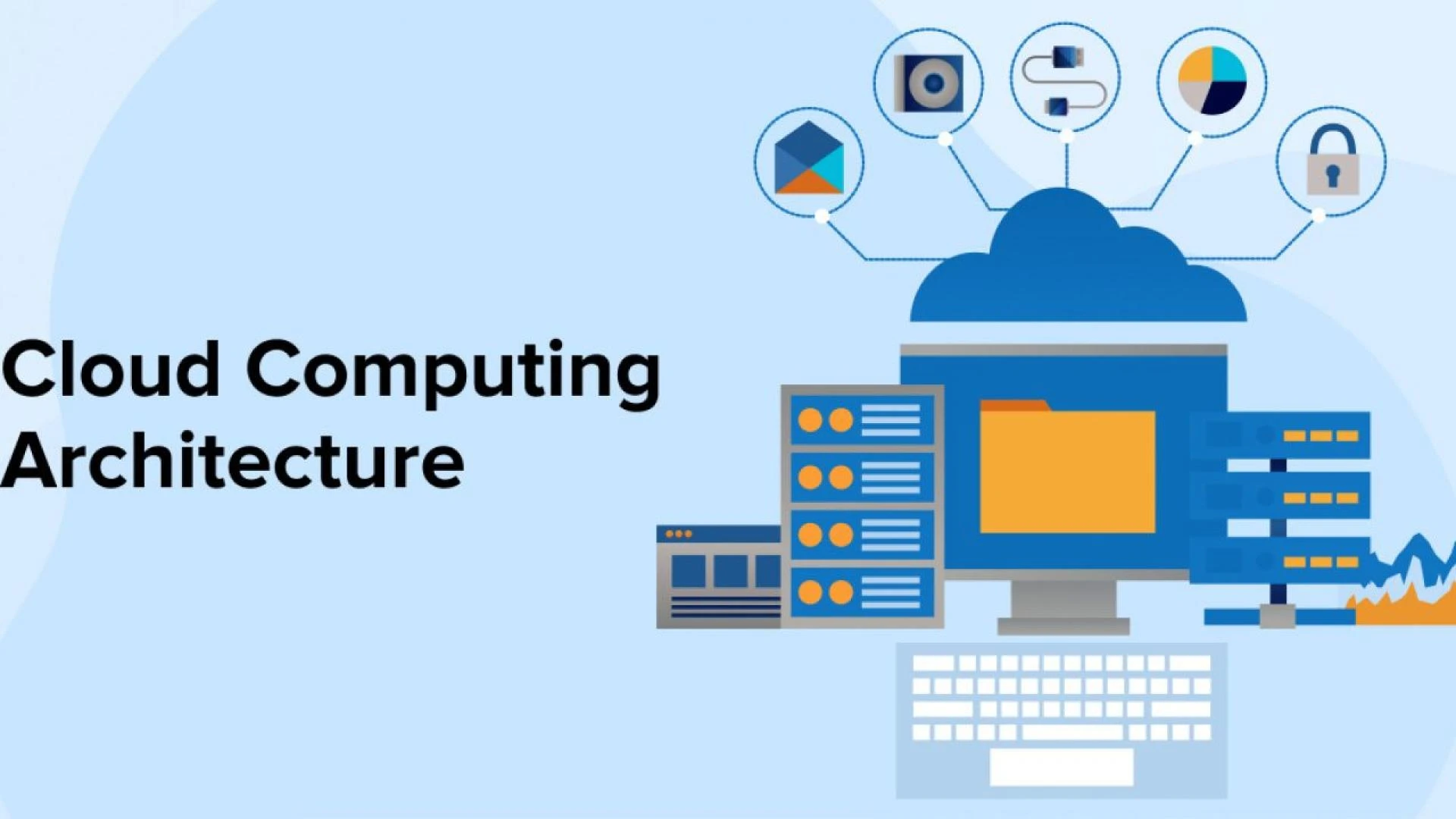

 Cloud computing has revolutionized the way businesses operate, providing unparalleled scalability, flexibility, and efficiency. At the heart of cloud technology lies cloud solution architecture, a critical component that dictates the design and implementation of cloud-based solutions. In this comprehensive guide, we delve into the world of cloud solution architecture, exploring its principles, best practices, and the role it plays in driving innovation in the cloud.
Understanding Cloud Solution Architecture
Cloud solution architecture encompasses the design and structure of cloud-based applications, systems, and services. It involves defining the overall architecture, including the selection of cloud services, infrastructure components, and design patterns that meet the requirements of a specific solution. Cloud solution architects are tasked with designing robust, scalable, and resilient systems that leverage the capabilities of cloud platforms to deliver value to businesses and end-users.
Key Components of Cloud Solution Architecture
Cloud solution architecture consists of several key components, each serving a specific purpose in the design and implementation of cloud-based solutions. These components include:
Cloud Services: Cloud solution architects must evaluate and select the appropriate cloud services offered by providers such as Amazon Web Services (AWS), Microsoft Azure, and Google Cloud Platform (GCP). These services may include compute, storage, networking, databases, analytics, machine learning, and more.
Infrastructure Design: The infrastructure design defines the underlying hardware and software components required to support the cloud-based solution. This includes considerations such as virtual machines, containers, storage configurations, networking setups, and security measures.
Application Architecture: Cloud solution architects design the architecture of the application, including the overall structure, components, and interactions between different modules or services. This may involve adopting microservices architecture, serverless computing, or other architectural patterns to optimize performance, scalability, and maintainability.
Data Management: Managing data effectively is a critical aspect of cloud solution architecture. Architects must design data storage solutions, databases, and data pipelines that ensure data integrity, availability, and security while meeting the performance requirements of the application.
Security and Compliance: Security is paramount in cloud solution architecture. Architects must implement robust security measures to protect data, applications, and infrastructure from unauthorized access, breaches, and cyber threats. Compliance with industry regulations and standards is also essential, requiring adherence to frameworks such as GDPR, HIPAA, PCI DSS, and others.
Best Practices in Cloud Solution Architecture
To design effective cloud solutions, architects should follow best practices that promote scalability, reliability, security, and cost optimization. These practices include:
Adopting a Well-Architected Framework: Cloud providers offer well-architected frameworks that provide guidelines and best practices for designing cloud solutions. Architects should familiarize themselves with these frameworks and apply their principles to their designs.
Designing for Scalability and Resilience: Cloud solutions should be designed to scale seamlessly to accommodate changes in demand and maintain high availability in the face of failures. This involves implementing auto-scaling, load balancing, fault tolerance, and disaster recovery mechanisms.
Leveraging Managed Services: Cloud providers offer a wide range of managed services that offload operational tasks such as provisioning, monitoring, and maintenance to the provider. Architects should leverage these managed services to reduce operational overhead and focus on value-added activities.
Implementing Security by Design: Security should be built into the architecture from the ground up, with defense-in-depth principles applied at every layer of the stack. This includes using encryption, identity and access management (IAM), network segmentation, and auditing to protect assets and data.
Optimizing Cost and Performance: Architects should design cloud solutions with cost optimization and performance in mind. This may involve rightsizing resources, using reserved instances, implementing caching strategies, and monitoring resource usage to identify opportunities for optimization.
Case Studies and Examples
To illustrate the principles and best practices of cloud solution architecture in action, let\'s explore a few real-world case studies and examples:
Netflix: Netflix is a prime example of a company that has embraced cloud solution architecture to scale its streaming platform globally. By leveraging microservices architecture, containerization, and AWS\'s managed services, Netflix delivers a seamless streaming experience to millions of users worldwide while maintaining high availability and reliability.
Airbnb: Airbnb utilizes cloud solution architecture to power its online marketplace for lodging and experiences. By adopting a serverless architecture and leveraging AWS\'s managed services, Airbnb can handle spikes in traffic, scale dynamically, and innovate rapidly to meet the evolving needs of its users.
Slack: Slack relies on cloud solution architecture to deliver its collaboration platform to millions of users worldwide. By leveraging AWS\'s infrastructure and services, Slack ensures high availability, scalability, and security for its messaging and productivity tools, enabling seamless communication and collaboration among teams.
Conclusion
Innovating in the cloud requires a deep understanding of cloud solution architecture and its principles, components, and best practices. By designing robust, scalable, and resilient cloud solutions, organizations can harness the full potential of cloud computing to drive innovation, agility, and competitive advantage. As cloud technology continues to evolve, cloud solution architects play a crucial role in shaping the future of digital transformation and enabling businesses to thrive in the digital age.









Sign in to leave a comment.