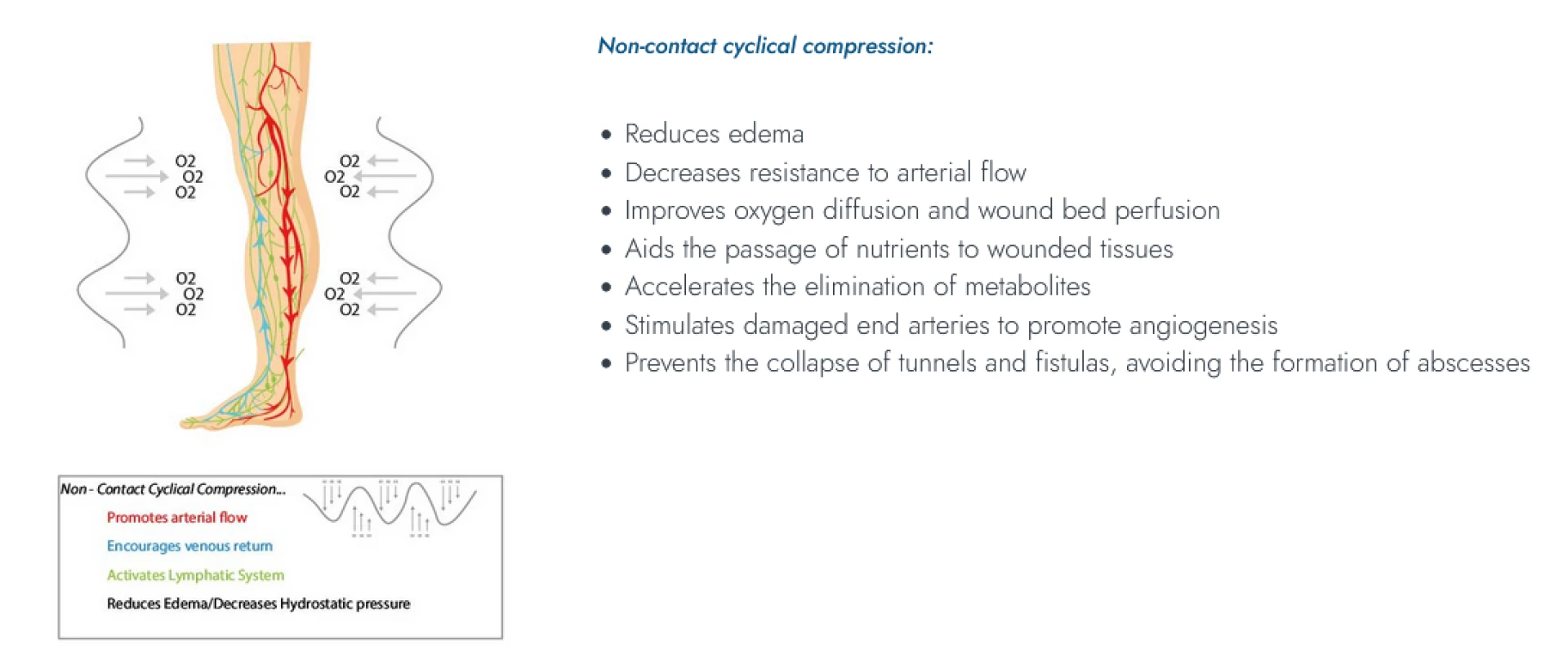

Diabetes is a widespread metabolic disorder that affects millions worldwide, and one of its common complications is impaired wound healing. Diabetic patients often face challenges in managing wounds, leading to chronic ulcers that require specialized care. In this article, we will explore the significance of wound care, the specific issues related to wound care in diabetes, and innovative solutions that are helping improve patient outcomes.
Understanding Wound Care and Its Importance
Wound care involves a comprehensive approach to managing injuries, cuts, and chronic ulcers to promote optimal healing and prevent complications. Proper wound care is crucial for avoiding infections, minimizing scarring, and restoring the affected area's functionality. In diabetes, however, the healing process can be compromised due to poor circulation, neuropathy, and immune system dysfunction.
Wound Care Solutions
Advanced Dressings: Traditional wound dressings have evolved into advanced options that facilitate better healing. Hydro gels, foams, films, and alginate dressings are among the innovations that provide a moist environment to promote healing while protecting against infection. These dressings are particularly beneficial for diabetic ulcers, as they address the unique challenges of these wounds.
Wound care solutions, a non-invasive option for managing complex wounds
Negative Pressure Wound Therapy (NPWT): NPWT is a technique that uses a vacuum dressing to promote healing in chronic wounds. Wound care solutions help by removing excess fluid, reducing swelling, and improving blood flow to the wound site. NPWT has shown promising results in diabetic ulcers, offering a non-invasive option for managing complex wounds.
Biologics and Growth Factors: Emerging treatments use biologics and growth factors to stimulate tissue repair. Platelet-rich plasma (PRP) and growth factor-based therapies are being explored to enhance the healing process in diabetic wounds. These treatments aim to accelerate cell regeneration and improve overall wound closure rates.
Wound Care in Diabetes: Addressing Unique Challenges
Diabetes presents unique challenges in wound care due to the combination of impaired circulation, nerve damage, and compromised immune function. Wound care ulcer, often located on the feet, is prone to infection and slow healing, making them a significant concern for healthcare professionals. Additionally, individuals with diabetes may not perceive pain in the affected area due to neuropathy, leading to delayed detection and intervention.
Wound care ulcer is prone to infection and slow healing, making them a significant concern for healthcare professionals.
Peripheral Neuropathy: Diabetic peripheral neuropathy, a common complication, reduces sensation in the extremities. Patients may not feel pain or discomfort in their feet, leading to a lack of awareness of wounds or injuries. Regular foot examinations and education on self-inspection are crucial to identifying issues early.
Poor Circulation: Diabetes can cause vascular complications, leading to poor blood circulation. Reduced blood flow hinders the delivery of essential nutrients and immune cells to the wound site, delaying the healing process. Strategies to improve circulation with wound healing and diabetes, such as lifestyle modifications and medications, are critical to managing diabetic ulcers.
Infection Control: Diabetic ulcers are susceptible to infections; managing them promptly is crucial. Antibiotics, wound debridement, and vigilant monitoring are essential to infection control in diabetic wound care. Innovations in antimicrobial dressings also play a vital role in preventing and managing infections.
The Role of Technology in Wound Care
Advancements in technology have significantly impacted wound care, providing new tools and methods to enhance treatment outcomes. Telemedicine platforms allow healthcare professionals to monitor and guide patients in wound care practices remotely, ensuring timely interventions. Additionally, 3D printing technology has been utilized to create customized wound dressings that conform to the unique contours of individual wounds, promoting better healing.
Conclusion
Wound care is a dynamic and evolving field, with a particular emphasis on addressing the challenges individuals face with diabetes. Innovations in dressings, therapies, and technology offer hope for improved outcomes and enhanced quality of life for those navigating the complexities of diabetic ulcers. As research continues to unravel the intricacies of wound healing in diabetes, the synergy of traditional and cutting-edge approaches holds the promise of transforming the landscape of wound care for the better.











Sign in to leave a comment.