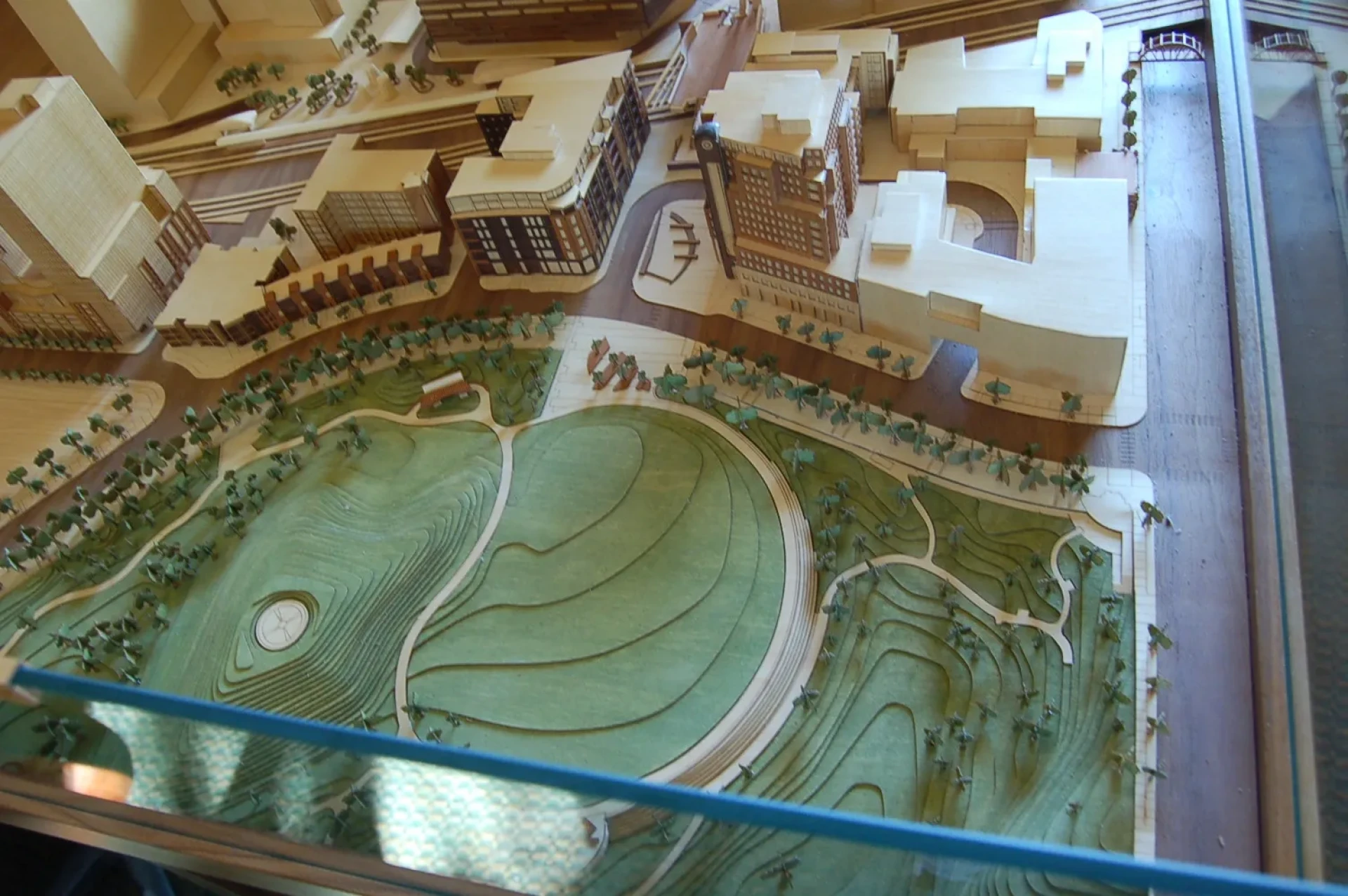

Building Model Maker: The Art and Precision of Professional Model Builders
In the world of architecture, construction, and design, the ability to visualize a project before it is built is invaluable. That’s where a building model maker plays a crucial role. These professionals transform blueprints and 3D renderings into tangible, physical models that bring concepts to life. Whether it’s a skyscraper, a housing development, or an industrial complex, professional model builders bridge the gap between imagination and reality.
The Importance of Architectural Models in Modern Design
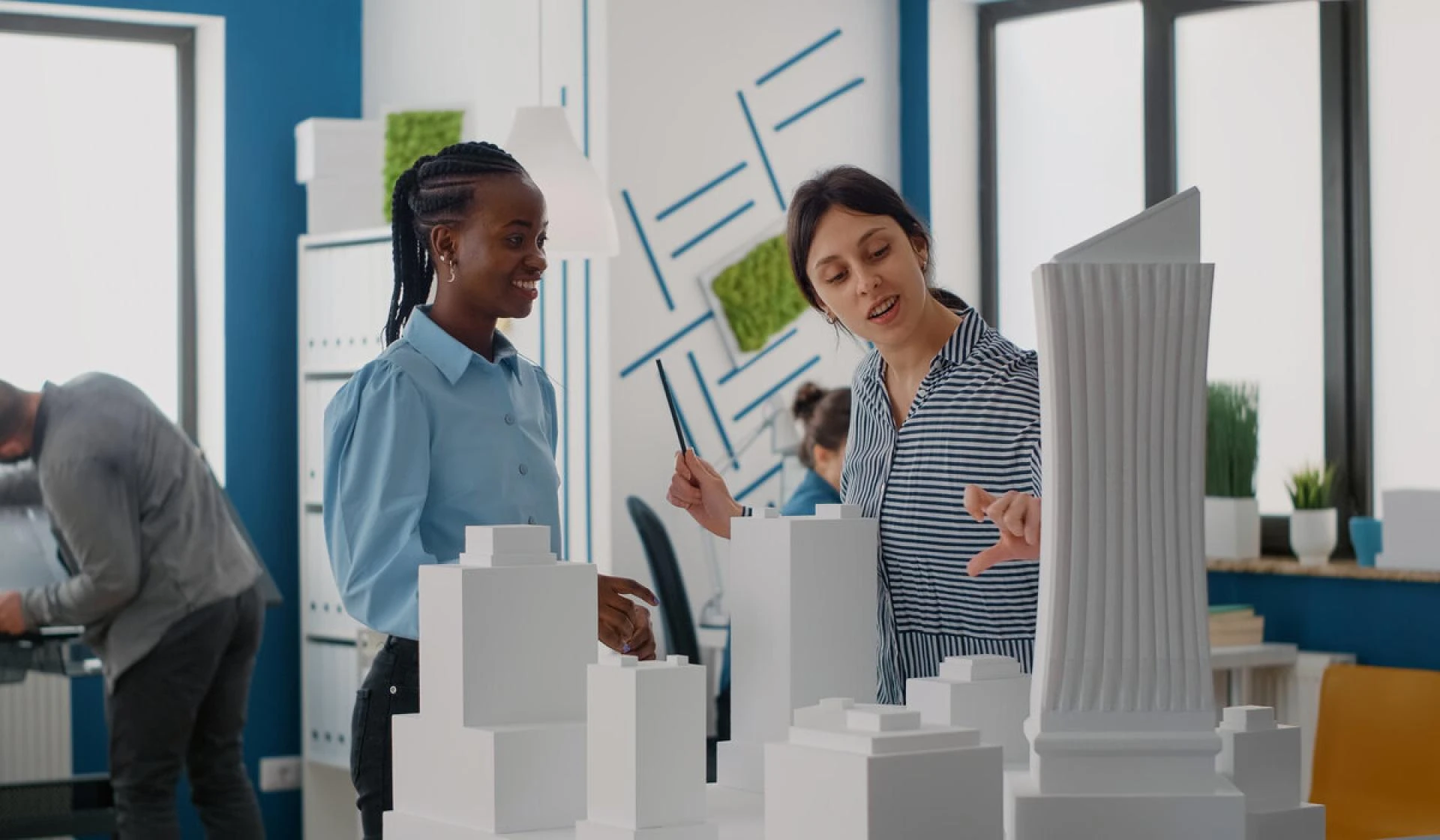
Before advanced digital tools existed, architects relied heavily on scale models to communicate their designs. Even today, despite the availability of digital simulations, physical models remain an essential part of architectural presentations. A building model maker creates models that allow clients, investors, and stakeholders to see and feel the project in real form. It provides a three-dimensional perspective that a computer screen simply cannot replicate.
These models highlight structural design, landscape integration, material choices, and even lighting effects, giving decision-makers a realistic sense of scale and proportion. When a model is built with precision and artistry, it not only serves as a technical tool but also as a powerful storytelling medium.
The Role of Professional Model Builders
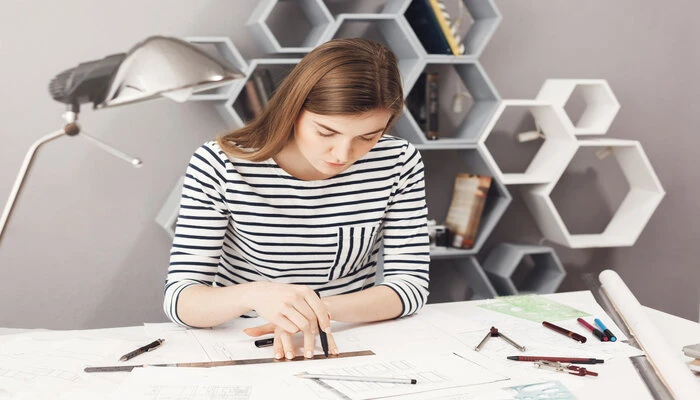
Behind every exceptional architectural or industrial model is a team of professional model builders who combine technical expertise with creative skill. Their work involves interpreting architectural drawings, selecting suitable materials, and using advanced tools such as laser cutters and 3D printers.
A professional model builder must possess a deep understanding of architecture, engineering, and design principles. Their job goes beyond construction—it’s about accuracy, presentation, and the ability to communicate complex ideas clearly. These experts often collaborate closely with architects, developers, and engineers to ensure that the final model reflects every minute detail of the project.
Types of Models Created by Building Model Makers
A building model maker can produce a variety of models depending on the project’s purpose and scale. Here are some common types:
- Architectural Models: These are detailed representations of residential, commercial, or urban projects. They showcase structure, layout, landscaping, and even interior lighting.
- Industrial Models: Often used by factories, oil refineries, and manufacturing companies to display production processes or plant layouts.
- Conceptual Models: Built in the early stages of design, these models help in brainstorming and refining ideas before finalization.
- Marketing Models: Created for exhibitions and real estate showcases, these models attract potential buyers and investors by providing a realistic vision of the final project.
- Mechanical or Engineering Models: Used to demonstrate machinery parts, systems, or functional designs for technical education or presentations.
Each of these requires a unique approach, and professional model builders ensure the right balance of creativity, precision, and durability in every project.
Tools and Technologies Used in Modern Model Making
Today’s building model makers use a combination of traditional craftsmanship and modern technology. Tools such as laser cutters, CNC routers, and 3D printers allow for precision cutting and detailing that were once impossible by hand. Digital modeling software like AutoCAD and SketchUp helps builders design accurate layouts before physical production begins.
In addition, advanced materials like acrylic, PVC, and high-density foam boards enable professional model builders to achieve high levels of detail while maintaining model strength and aesthetic appeal. LED lighting, landscaping elements, and transparent components add realism, turning models into visually stunning pieces of art.
Why Choose Professional Model Builders for Your Project
Hiring a professional model builder brings many benefits beyond just creating a miniature replica. These experts help communicate design ideas effectively, accelerate project approvals, and enhance marketing efforts.
For developers, a physical model is a powerful sales tool—it captivates investors and clients by providing a clear visualization of the final outcome. For architects, it’s a way to test spatial relationships, materials, and scale in real time. For students and engineers, it serves as an educational tool for understanding structures and design logic.
A skilled building model maker pays attention to every tiny element—textures, colors, proportions, and even environmental context—to ensure the model mirrors reality as closely as possible. This level of professionalism ensures accuracy, aesthetic appeal, and credibility for any presentation.
The Future of Building Model Making
As the construction and design industries evolve, so does the craft of model making. Emerging technologies like augmented reality (AR), virtual reality (VR), and 3D visualization are now being integrated into physical models. Professional model builders are increasingly blending digital interactivity with traditional craftsmanship to create hybrid models that provide both tactile and virtual experiences.
Sustainability is also influencing model-making practices. Many modern studios now use eco-friendly materials and energy-efficient production methods to align with global green design standards.
Conclusion
In an age where visuals drive decisions, the expertise of a building model maker is more valuable than ever. These artisans and engineers combine creativity, precision, and technology to bring visions to life. Whether it’s for architecture, engineering, or industrial presentation, professional model builders deliver models that inspire confidence, clarify ideas, and showcase innovation.



















Sign in to leave a comment.