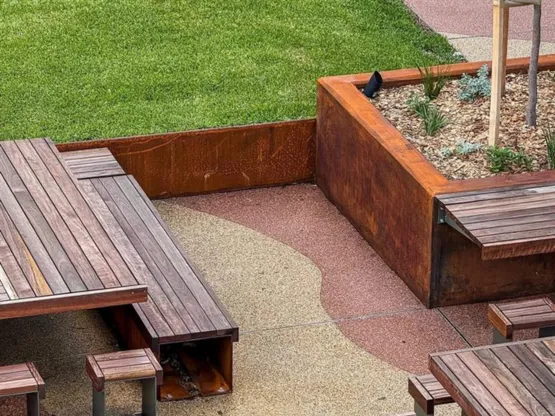

If you've got loose gravel shifting around your driveway, garden path, or fire pit area, you already know how frustrating it gets. Stones scatter onto the lawn, dust kicks up everywhere, and the whole area just looks messy, no matter how much you tidy it. The good news? There's a proper solution that locks everything in place, keeps water draining through the surface, and still looks completely natural. That solution is permeable paving using a polyurethane resin gravel binder, and it's been changing the way Australians approach their outdoor surfaces since 2008.
What Is Permeable Paving and Why Does It Matter?
Permeable paving refers to any surface system that allows water to pass through rather than run off. Think of it like a sponge compared to a sheet of plastic: one absorbs and manages moisture; the other just redirects it somewhere else. Traditional concrete and asphalt send stormwater straight into drains and waterways, picking up pollutants along the way. A properly installed permeable paving surface lets rainwater filter down naturally through the stone layer, reducing runoff, minimising erosion, and actually helping stormwater management around your property.
This is especially relevant across Australia, where heavy rainfall events can cause significant surface water issues in residential and commercial settings. By choosing a porous surface over solid concrete, you're making a practical choice that benefits both your property and the broader environment.
How a Resin Gravel Binder Works
Here's where the science gets interesting and surprisingly simple. A resin gravel binder is a polyurethane resin that you pour directly over loose stones or aggregate. As it cures, it coats each individual stone and bonds them together at their contact points, creating a firm and stable surface without filling the voids between the stones. Those voids are what keep the surface permeable, so water still drains straight through.
The Pour-On Application Process
StoneSet's Pour On resin gravel binder is one of Australia's most widely used gravel stabilisation products for good reason; it's a single-component system, meaning you don't add water, catalyst, or any other chemicals to it. You simply pour it over your prepared gravel in two or three light coats and let it cure.
The application is genuinely DIY-friendly. You'll need your surface to be clean, dry, and level with no debris sitting on top. A bucket with small holes drilled into the base works brilliantly to distribute the resin evenly, like a shower head over your stones. Apply it in light coats rather than one heavy pour, and you'll get a clean, even finish every time.
For stones between 6mm and 20mm in diameter, the resin gravel binder performs at its best. Application rates vary depending on use; lighter decorative areas need around 1.5 kg per square metre, while frequently trafficked footpaths benefit from 3.0 kg per square metre.
Clear vs Amber: Which Resin Is Right for You?
StoneSet offers the Pour On resin gravel binder in two finishes, clear and amber.
Choosing the Right Finish
Clear resin is the go-to option for lighter-coloured stones, particularly pearls, whites, and pale greys. It dries completely clear and keeps the natural stone tone looking crisp and bright. Amber resin, by contrast, gives a warm, slightly glossy finish that brings out the depth in darker stones like charcoals, browns, and basalts. It's also a more cost-effective option when the colour tone of the resin itself isn't a concern.
Both versions are UV stable and heat resistant, so they won't yellow, crack, or break down under the Australian sun, which, as we all know, can be pretty relentless.
Where Can You Use Permeable Paving with Resin Binder?
The versatility of this system is one of its strongest points. Homeowners across Australia are using permeable paving with resin gravel binder in a wide range of settings.
Garden paths are a classic application, no more stones scattering across lawns or mulch beds. Side access ways between homes benefit from a neat, stable surface that still handles good drainage. Fire pit surrounds are a particularly popular use, since the bound gravel stays in place even with regular foot traffic around the area. Decorative gravel zones around pool surrounds, retaining walls, and feature beds look sharp and stay that way without constant raking or raking back into shape.
For low-traffic areas or smaller decorative spots, StoneSet's Gravel Binder Light offers a water-based acrylic alternative that can even be sprayed on, ideal for fines, sand, decomposed granite, or mulch that needs light stabilisation rather than full binding.
Why StoneSet Is Australia's Trusted Choice
StoneSet has been an Australian-made, Australian-owned business since 2008. Their polyurethane resin gravel binder is non-toxic once cured, making it completely safe around pets, kids, and garden beds. Because the finished surface is porous, it actively reduces stormwater runoff and helps manage waterway pollution, a genuine environmental benefit that concrete simply cannot offer.
The design life of the Pour On resin gravel binder exceeds seven years under normal residential use, and the full supply-and-install StoneSet paving system, completed by an approved installer, carries a 10-year guarantee.
If you're weighing up whether permeable paving with a resin gravel binder is the right call for your project, StoneSet's team is available on 1300 392 155 to talk you through the options. You can also browse the full range of Pour On products, DIY kits, and specialist tools at Stoneset Shop.
Ready to Stop the Gravel From Going Walkabout?
Loose stone areas don't have to be an ongoing maintenance headache. With the right resin gravel binder and a bit of prep work on a dry weekend, you can turn a messy gravel area into a clean, stable, and permeable surface that looks great and lasts for years. That's a pretty good outcome for a two-coat DIY job.





























Sign in to leave a comment.