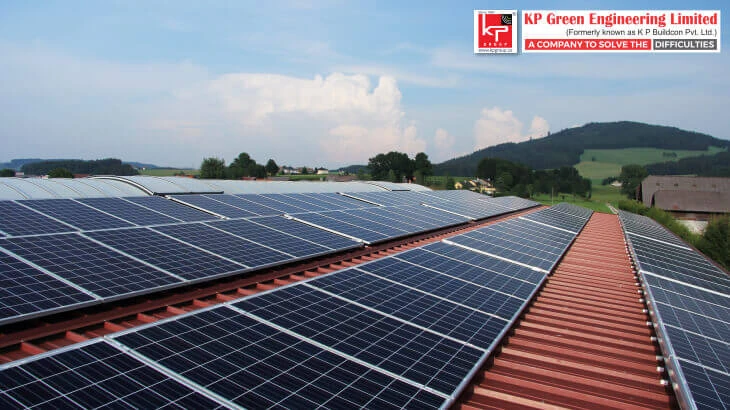

Most conversations about solar in India focus on modules, inverters, or tariffs. The mounting structure is usually ignored. But anyone who has seen a solar plant in Rajasthan during a dust storm or near the salt-heavy air of Gujarat knows the structure matters as much as the modules.
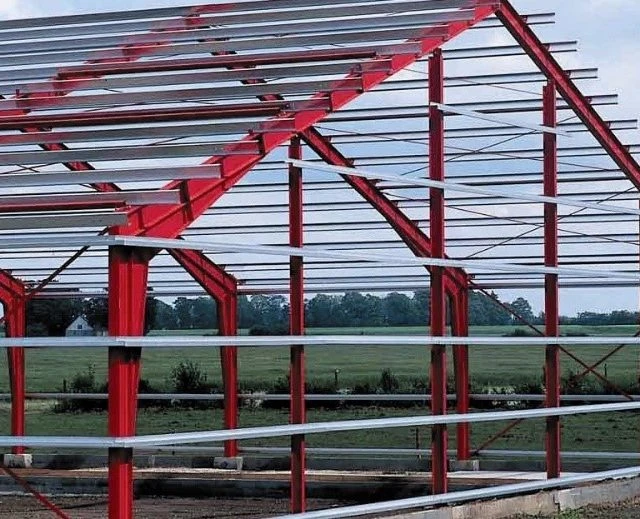
A solar module mounting structure may look simple. Steel, aluminum, fasteners. But the way it is designed and built decides if a project lasts 25 years or falls apart much sooner. Innovation in this area is essential, especially in India’s climate.
Heat, dust, and monsoons aren’t afterthoughts
India is tough on equipment. Modules run hot in 45°C summers, then face strong winds during monsoons. Near the coast there is salt corrosion, and in other regions there is soil movement or even hail. Meeting only the minimum code is not enough.
The first improvements came in materials. Galvanized steel was the standard but corroded faster in coastal areas. Hot-dip galvanization and aluminum alloys improved durability. Some projects in Gujarat now use stainless steel joints in critical spots. Cost is higher, but failure costs even more.
The tilt and tracking question
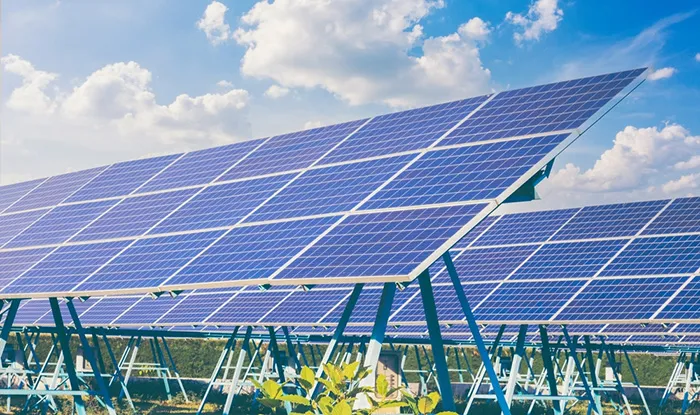
Fixed tilt or tracking remains a big decision. Rajasthan’s high solar radiation makes trackers attractive. They raise generation but add moving parts that can fail. Some trackers lock up after a single monsoon. In such cases, a fixed tilt solar module mounting structure is more reliable.
That does not mean tracking should be dismissed. A good solar manufacturing company will adapt the design. Reinforced bearings, sealed electronics, and better wind stow settings help trackers survive here. The point is not whether tracking is good or bad. It is whether it is built for these conditions.
Foundation choices nobody talks about
Soil conditions vary widely across India. Kutch has sandy soil. Central India has black cotton soil that swells and shrinks. Concrete footings do not always work. Pile driving, screw foundations, or hybrid anchors are now common.
On one project, screw piles cut installation time in half because the rocky soil could not hold poured concrete. The team finished before the monsoon hit. Sometimes the real innovation is in basic civil engineering choices.
Corrosion protection is underrated
Corrosion does not get the attention it should. Many EPC contracts still treat galvanization as just another cost line. But better approaches exist. Polymer coatings, duplex systems, and composites are now being tested.
In Bhavnagar, I saw plants with structures already pitted after eight years because salt was ignored. Nearby, a solar manufacturing company in gujarat used pre-galvanized aluminum extrusions that held up far better. Small changes like this shift industry practice over time.
The labor and logistics angle
Innovation is not only about materials. It is about faster and safer installation. Pre-fabricated kits, modular joints, and lighter sections reduce welding on site. This saves cost and improves quality when labor is stretched thin.
Think of it like large-scale flat-pack assembly. Simple locks, fewer on-site cuts, and better packaging matter when you are working in desert heat.
A personal take
The next step may not come from new materials. It could come from software and design tools tied to manufacturing. Structures modeled for the exact wind and soil of a site, then fabricated by a local solar manufacturing company, could be delivered as optimized kits.
Right now, many structures are overbuilt to cover worst-case assumptions. Smarter modeling avoids wasted steel while keeping strength where it is needed. Some Indian firms are already moving in this direction.
Final thoughts
Solar looks simple from the outside. Panels in the sun, wires to the grid. But the solar module mounting structure is where climate meets engineering. It has to stand firm in heat, storms, salt, and shifting soil.
India does not need copies of designs from Europe or the US. It needs systems made for local conditions. Indian engineers and manufacturers are already proving that. If structures get the same attention as module efficiency, projects will last longer and perform better.























Sign in to leave a comment.